
Let's be real about what your vibrator touches
Your most sensitive skin deserves a device you can actually trust. Yet most people picking out lemon vibrators focus on power, noise level, or aesthetics. Skin compatibility and ease of care? Those get forgotten until you're dealing with irritation or spending 20 minutes cleaning something that should take 30 seconds. Not great.
Here's the thing: the material your lemon clitoral vibrator is made from matters as much as the motor. So does the surface texture. A toy that looked perfect online can feel wrong against your skin or become a grimy nightmare to maintain. I want to walk you through what actually determines whether a lemon vibrator works for your body and your real life.
Material science for adult toys is more important than marketing
Not all silicone is the same. Not all plastic is bad. This matters more than you'd think.
Medical-grade silicone is the gold standard. It's non-porous, hypoallergenic, and doesn't leach chemicals over time. It's also expensive to manufacture, which is why cheap lemon vibrators tend to skip it. How do you know if you're getting the real thing? Check if the brand publishes material specs. If they're vague ("premium silicone," "body-safe silicone"), ask directly. Reputable makers answer.
Hard plastics like ABS are fine if properly finished. They're non-porous, easy to clean, and better for people whose skin reacts to silicone. The catch: they need to be sealed and smooth. Any microscopic cracks or rough molding seams can trap bacteria. Run your fingernail over any ridges. If it snags slightly, that toy isn't for you.
Avoid PVC, jelly rubber, and anything unmarked. These materials are porous and can contain phthalates or other plasticizers that migrate onto your skin. This is nonnegotiable.
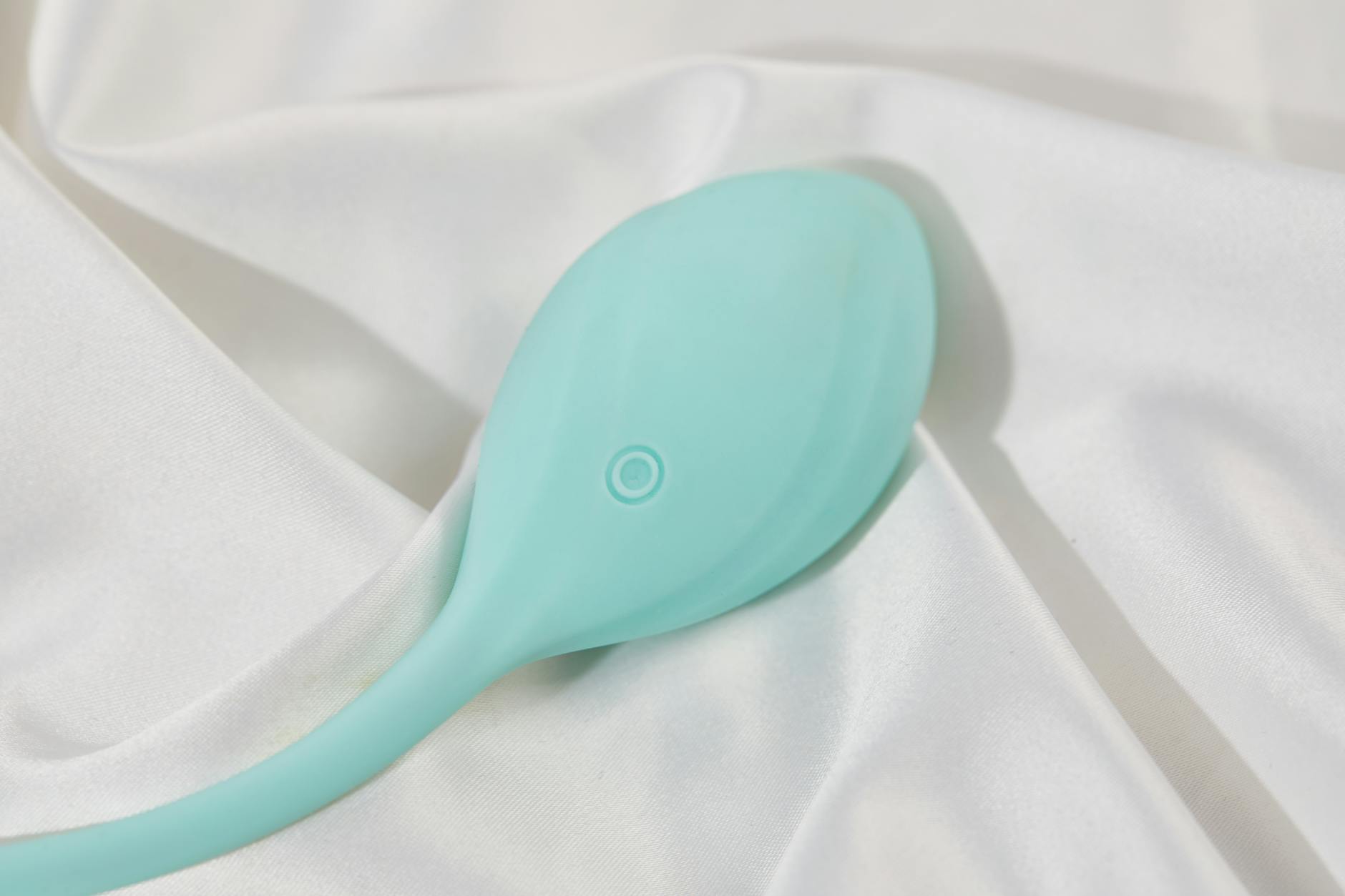
Photo by IFONNX Toys on Pexels
Texture matters more than you realize
Smooth surfaces are your friend. Ridges, raised patterns, and textured finishes look fancy but create hiding spots for bacteria and lube buildup. For sensitive skin, a perfectly smooth finish is always better than artistic detailing.
Lemon vibrators come in three texture profiles:
Completely smooth. This is ideal if you have sensitive skin, are prone to irritation, or use them frequently. Cleaning is fast. Drying is complete. Bacteria has nowhere to hide.
Lightly textured (subtle ridges or dots). These feel nice and still clean relatively easily, but require careful attention to crevices. They're fine if your skin is resilient and you're willing to spend an extra minute on cleaning.
Heavily textured (pronounced bumps, grooves, or patterns). Beautiful on the shelf. A nightmare in practice. These trap lube and moisture. Unless you're cleaning with a brush every single time, this is asking for trouble.
When shopping for lemon clitoral vibrators, run your own texture test. Close your eyes and run your finger across it slowly. Your fingernail should glide without catching. If it doesn't, neither will everything else.
How material type affects sensitivity and sensation
People often assume softer feels better. They're usually wrong. Medical-grade silicone is firmer than you'd expect, and that's actually beneficial for precision. Hard plastics like the Lem vibrator offer even more direct stimulation without diffusion.
For sensitive skin, firmness is actually protective. It means the vibration is concentrated and controlled rather than spreading across a wider surface. A softer, squishy vibrator might feel gentler initially, but it can cause repetitive micro-irritation over time because the sensation is less defined.
Thermal sensitivity matters too. Silicone gets warm quickly. Plastic takes longer to warm up. If you have heat-sensitive skin, plastic might actually be more comfortable. Test before committing, or go with a brand that offers returns.
Cleaning complexity is a real barrier to regular use
You're not going to use a vibrator if cleaning it feels like a burden. Let's be honest. This is where so many otherwise excellent lemon sexual toys fail.
Best case. Waterproof, smooth, non-porous material. Wash with warm water and mild soap under running water. Dry with a lint-free cloth. Done in under two minutes. This applies to most silicone and hard plastic toys that lack seams or hidden motors.
Medium case. Waterproof, but textured. You need to use a soft toothbrush on the ridges and crevices. Five minutes if you're thorough. Acceptable if it's a toy you only use occasionally.
Worst case. Non-waterproof motor (which means you can only spot-clean), seams where lube collects, porous materials that absorb moisture. This requires special toy cleaner, separate drying time, and constant vigilance. Don't do this to yourself.
Check the specification sheet. If it says "motor is not waterproof" or has seams you can't see into, skip it. Your future self will thank you.
Allergies, sensitivities, and what actually matters
True silicone allergies are rare, but they happen. More common is sensitivity to plasticizers or reaction to old lube residue that doesn't wash out completely. This is why texture and material transparency matter.
If you have a history of irritation with other products, start with the simplest, most documented material. Hello Nancy's Lem vibrator uses medical-grade silicone with a completely smooth finish, specifically designed for this reason. Same goes for their simpler models like the Berri. These aren't accidents of design. They're intentional choices.
If you're reacting to something you already own, it might not be the material itself. It could be:
- Dried lube or bacteria trapped in texture you didn't notice
- Residue from whatever manufacturing process deposited on the surface
- Your lubricant, not the toy
Try a thorough clean with warm water and an unscented soap, then dry completely before use. Add a fresh dab of water-based lube. If irritation persists after two uses, the toy isn't for you.
Seams, seals, and hidden problems
Beautiful toys often have seams where two pieces of silicone are bonded together. Even high-quality seams trap lube and bacteria. You can't feel it while using the toy, but you'll find it during cleaning as a sticky, dark band of buildup.
Seamless construction costs more, which is why it's not universal. But it's worth the extra cost if you have sensitive skin. Check product photos carefully. If you can't see the construction seams in detailed images, ask the brand directly.
Motor placement matters too. Motors at the base are better than motors distributed throughout the body, because they reduce the number of internal chambers where moisture can collect if there's ever a leak.
Why price actually correlates with skin safety
Cheap lemon vibrators often cut corners on material sourcing and finish quality. The silicone might be food-grade (not medical-grade), or the plastic might not be properly sealed. These aren't dramatic differences, but they compound over months of use.
Spending 15 percent more usually gets you:
- Documented material sourcing
- Smoother, more refined surface finish
- Seam-free or minimal-seam construction
- Clear care instructions and lifetime support
You don't need to spend $150. But the difference between a $40 mystery toy and a $70 lemon vibrator from a transparent brand is significant for skin health.
How to actually evaluate a lemon clitoral vibrator before buying
Read reviews, but read them carefully. Look for patterns in what people mention about comfort and cleanup, not just orgasm power. People who mention irritation or cleaning issues are giving you gold.
Check if the brand publishes:
- Exact material grade (medical-grade silicone, ABS plastic, etc.)
- Body safety certifications or third-party testing
- Detailed care instructions
- A clear return or replacement policy
If any of these are missing, it's a red flag. If the brand is evasive about material or claims everything is "body-safe" without specifics, move on. There are too many thoughtful, transparent makers to waste time with opacity.
Why lemon vibrators specifically? Because they've become shorthand in the industry for well-engineered toys. The Lem, Berri, and other lemon-shaped devices prioritize material quality and finish refinement. They're a reliable baseline.
The maintenance rhythm that actually works
A toy you use regularly needs weekly cleaning. A toy you use occasionally? After every use, full stop. There's no shortcut.
Your routine should take under five minutes:
- Rinse under warm running water immediately after use (lube dries and gets harder to remove if it sits)
- Apply a drop of unscented soap to your fingertip and run it across the entire surface, paying attention to the base and any textured areas
- Rinse thoroughly under warm water
- Dry completely with a clean cloth or allow to air dry
- Store in a breathable pouch (not airtight, which traps moisture)
That's it. If this feels like too much, you've picked the wrong toy. Find one with smoother, simpler construction.
FAQ: Your sensitive skin and lemon vibrator questions answered
Can I use my lemon vibrator if I have a latex allergy? Yes, absolutely. Lemon vibrators and adult toys generally don't contain latex. Confirm with the brand, but latex-free is now standard for reputable makers. If you have multiple sensitivities, go with hard plastic rather than silicone, since latex-free plastic is even more widely available.
What's the difference between medical-grade and regular silicone? Medical-grade silicone is manufactured to higher purity standards and tested for any leaching chemicals. It's more expensive but worth it if you have sensitive skin. Regular silicone can contain additives that migrate over time. When in doubt, ask the brand for documentation.
Why does my vibrator feel sticky after cleaning? You've either left lube residue in a texture or seam you didn't fully rinse, or you're not drying it completely. Repeat the rinse process, paying special attention to the base. Dry with a second cloth. If it still feels sticky, the toy might have an internal moisture problem (rare but possible with waterproof toys that fail). Contact the brand about a replacement.
Is it safe to use with condoms or barriers? Yes, with water-based lube only. Silicone lubes can degrade both silicone toys and barriers over time. Water-based lube won't damage anything and is easier to clean off afterward.
How often should I replace my lemon vibrator? With proper care, a well-made toy lasts 2-3 years. If the surface becomes rough, the seams separate, or you notice discoloration, it's time. Most quality brands offer replacements if structural failure happens within a year.
Can sensitive skin get used to a vibrator that initially caused irritation? Sometimes, but not usually. If something irritated your skin on day one, it's likely to keep irritating it. Your body is telling you something. Don't ignore that signal. Switch to a different material or texture instead.
You deserve a toy that respects your body
Picking the right lemon vibrator or clitoral vibrator isn't just about power or aesthetics. It's about material honesty, texture design, and cleaning reality. Sensitive skin isn't a limitation to work around. It's useful information that points you toward better toys and better makers.
If you're still figuring out what works for your body, our buying guide walks through the full decision tree. Or if you want to talk through specifics, get in touch and we can help you narrow it down.