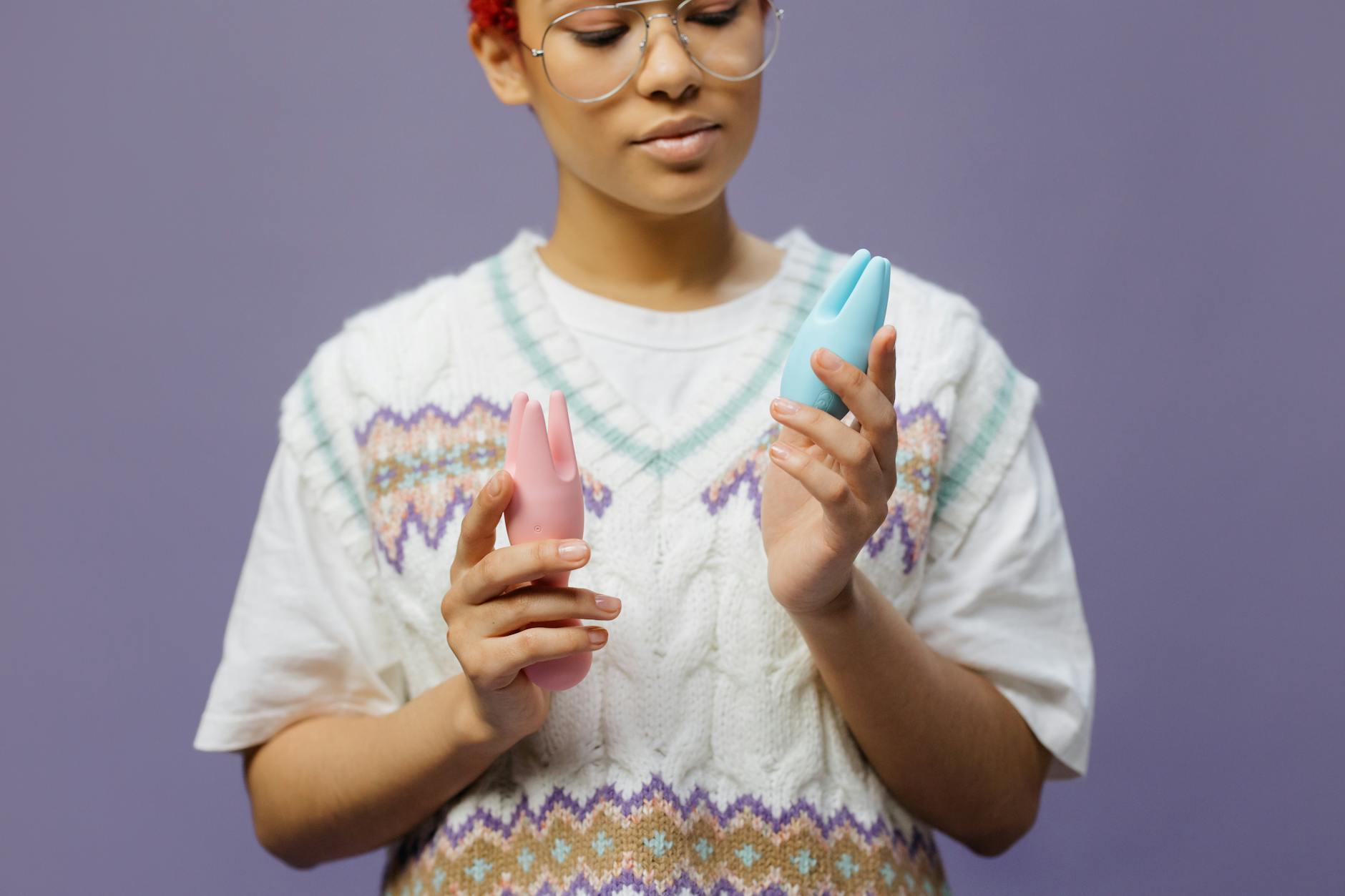
Let's be real about nerve sensitivity
Nerve damage changes everything about how your body registers pleasure. Whether it's from surgery, childbirth, spinal injury, diabetes-related neuropathy, or chemotherapy side effects, reduced sensation can feel like your body has turned the volume down on one of life's key pleasures. Most people assume that means vibrators won't work anymore. That assumption is worth questioning.
Here's the thing: traditional vibrators rely entirely on vibration to trigger nerve response. If your nerves aren't firing the way they used to, faster buzz patterns won't fix the underlying problem. Lemon vibrators work differently. They use suction and pulsation instead of pure vibration, which activates different nerve pathways and creates measurable sensation even when standard vibrators feel like nothing.
I've watched clients with genuine nerve damage find their way back to pleasure using this exact mechanism. The surprise isn't that it works. It's that so few people know it's an option.
How nerve damage affects sexual sensation
Your clitoris contains roughly 8,000 nerve endings, all branching from the pudendal nerve. Damage to that nerve or its branches reduces signal strength to the brain. You might feel pressure, but not the sharp spark of arousal. You might feel the vibrator moving, but not the pleasure itself.
This happens after:
Childbirth and tearing. Severe perineal tears or episiotomy can scar the pudendal nerve. Recovery takes months to years, and full sensation doesn't always return.
Gynecological surgery. Hysterectomy, endometriosis excision, or mesh removal can create scar tissue that compresses nerves.
Spinal injuries. Anything affecting the sacral spine disrupts the signal pathway from your genitals to your brain.
Diabetes and neuropathy. High blood sugar damages small nerve fibers over time. Sensation flattens slowly, sometimes across the whole body.
Chemotherapy side effects. Some drugs cause peripheral neuropathy that persists for years after treatment ends.
In all these cases, the nerve isn't gone. The signal is just weaker. That distinction is crucial because it means sensation can be rebuilt with the right stimulus.
Why lemon vibrators work where others fail
Traditional vibrators vibrate at 50 to 200 Hz (cycles per second). That high-frequency vibration requires intact, fast-firing nerve pathways to register as pleasure. If those pathways are damaged, the sensation registers as noise instead of signal.
Lemon clitoral vibrators like the Lem use a different mechanism entirely. Instead of vibrating, they use pulsing suction. This creates a combination of steady pressure and rhythmic release that activates both mechanoreceptors (pressure sensors) and proprioceptors (position sensors) in the clitoral tissue.
Why this matters: you have backup pathways. If the high-frequency pathway is damaged, the pressure and stretch pathways can still work. Suction engages those slower, more robust nerve fibers that are often less affected by the same injury that damaged your primary sensation.
Clinically, people with reduced sensitivity report that suction devices feel like something. Vibrators feel like nothing, or like an annoying buzz. The difference isn't psychological. It's neurological.
The step-by-step strategy for rebuilding sensation
If you're working with reduced sensation, here's what actually works:
Start with baseline touch
Before using any device, spend a week or two reacquainting yourself with touch on your own terms. Use your hand, varying pressure from light to firm. This isn't foreplay. This is data collection. You're mapping which areas still have sensation and what kind of input registers as pleasurable versus numb.
Introduce the lemon vibrator on its lowest setting
Don't start with intensity. Start with time. Use the Lem or a similar lemon suction device on pattern 1 or 2 for just 30 seconds at a time. Notice what you feel. Pressure? Suction? Warmth? Numbness? Journal it.
Extend gradually over weeks
Increase session length by 30 seconds every few days, not intensity. Your nervous system needs time to relearn how to interpret these signals as pleasure instead of just sensation. This rebuilding process takes 4-8 weeks minimum, often longer.
Layer in rhythm once baseline sensation returns
Only after you're consistently feeling suction and pressure should you experiment with different patterns. Your nervous system needs the slow pathway to pleasure well established before you add the complexity of rhythmic variation.
What partners need to know
If you're navigating this with someone, communication shifts from "does this feel good" to "what do you actually feel." Those are completely different conversations.
Your partner should know that sensation rebuilding is not the same as arousal. You might feel the device working but not feel turned on. That's normal. Pleasure and sensation are separate neurological events. One doesn't automatically trigger the other, especially early in recovery.
The most useful thing a partner can do is lower their expectations about timeline and intensity. You're not aiming for explosive orgasms right now. You're aiming for consistent sensation and the ability to feel anything at all. Explosive can come later.
Medical support actually matters here
If your sensation loss is from diabetes, neuropathy, or a diagnosed nerve injury, a pelvic floor physical therapist is worth the investment. They can identify exactly which nerve pathway is compromised and recommend targeted exercises alongside device use.
For some people, especially those with pudendal nerve entrapment, physical therapy alone restores significant sensation. For others, a combination of PT and suction-based devices works best. For a few, sensation doesn't fully return, but the lemon vibrator still provides enough stimulation to reach orgasm.
The point is that sensation recovery isn't a one-tool situation. If one approach isn't working, it doesn't mean your body is broken. It means you haven't found the right combination yet.
The emotional side nobody talks about
Losing sensation, even temporarily, is a genuine grief. Your body changed without permission. Sex felt one way, and now it doesn't. That's worth acknowledging as real loss before you jump into optimization strategies.
Many clients I work with report that the physical rebuilding goes faster than the emotional processing. You might feel sensation returning before you feel like yourself again. That timeline is normal.
The lemon sucker and other clitoral vibrators are tools, not magic. They can restore physical sensation. The emotional work of accepting your body in its current state and celebrating small wins is something you have to do separately, often with a therapist or coach who understands sexual health alongside psychological recovery.
When patience pays off
I've had clients tell me that sensation came roaring back after six weeks of consistent, low-pressure suction work. I've also worked with people who saw 60% restoration over six months and accepted that as their new normal. Both outcomes are wins.
What matters is that the option exists. Lemon vibrators, including brands like Hello Nancy's lemon clitoral vibrator line, specifically work with the mechanics of nerve recovery. They're not a workaround for broken pleasure. They're a legitimate tool for rebuilding it.
Your sensation might not return to exactly what it was before. But for most people who are patient with the process and consistent with the work, it returns to something that feels good, feels real, and feels like you.
FAQ: Nerve damage and lemon vibrators
Can you regain full sensation after nerve damage?
It depends on the type and severity of damage. If the nerve is intact but inflamed or compressed, full recovery is common. If the nerve is partially severed, you typically regain 60-80% of baseline sensation. If it's completely severed, sensation won't return from that pathway, but you may develop sensation from adjacent nerves over time. A neurologist can assess your specific situation.
How long does it take for sensation to come back?
Minimum four to eight weeks of consistent, gentle stimulation. Some people see progress within weeks. Others don't notice significant change for three months. The timeline depends on the nerve's healing capacity, which varies with age, overall health, and the cause of the damage.
Are lemon vibrators safer for nerve-damaged tissue?
Yes, in most cases. Suction creates broad, diffuse pressure rather than the intense focused vibration of traditional vibrators. This means less risk of overstimulating already-sensitive or healing tissue. That said, if you have active inflammation or open scar tissue, get clearance from your doctor first.
Do lemon clitoral vibrators feel the same as traditional vibrators if your nerves are damaged?
No, and that's the point. Traditional vibrators often feel like nothing to people with nerve damage because they rely on high-frequency signals your damaged nerve can't process. Lemon vibrators feel distinctly different: more like pressure and suction, less like buzzing. Many people with reduced sensitivity report feeling lemon suction devices when they can't feel standard vibrators at all.
Should you use lemon vibrators if you have neuropathy from diabetes?
Yes, but with medical guidance. Work with your doctor or a pelvic health specialist to rule out active inflammation first. Once cleared, lemon vibrators can actually help stimulate nerve regeneration because they engage the pressure-sensing pathways that diabetes typically damages more slowly than vibration-sensing pathways.
What if the lemon vibrator still doesn't create sensation?
That's signal to pause and reassess. You might need pelvic floor physical therapy first to address underlying muscle tension or scar tissue restricting nerve access. You might need medical investigation to identify exactly which nerve is involved. Or you might benefit from combining suction with partnered touch, which adds psychological arousal that enhances sensation perception. The device alone isn't the fix. The device plus smart strategy is.
Next steps
If you're exploring sensation recovery, start where you are. That might be talking to a pelvic floor PT. That might be journaling your baseline sensation. That might be reading more about how lemon clitoral vibrators work with your nervous system. There's no wrong entry point.
What matters is not settling for a story that says your body is broken and pleasure is over. Neither is true. You're just rebuilding, and that takes time, strategy, and the right tools. Hello Nancy's lemon vibrator line was built specifically for people working with changed sensation. They're worth exploring if this is your journey.
Ready to move forward? Get in touch with our team if you have questions about which device might work best for your specific situation. We're here to help.