
Here's what you need to know upfront
Yes, you can use lemon vibrators during pregnancy. Full stop. But there are some real adjustments worth understanding—not because vibrators are dangerous, but because your body is changing rapidly and what felt good six weeks ago might need tweaking now.
Pregnancy hormones surge, blood flow to your pelvis increases dramatically, and sensitivity shifts in ways that catch people off guard. A lemon clitoral vibrator—with its gentle suction mechanism rather than harsh vibration—often becomes more comfortable, not less, as pregnancy progresses. That said, there are specific things to watch for and ways to approach it that actually enhance both safety and pleasure.
The medical reality
Let's start with what doctors actually agree on. The American College of Obstetricians and Gynecologists doesn't warn against vibrators during pregnancy. Neither do major UK or Australian pregnancy guidelines. Why? Because vibrators don't introduce infection risk (unlike partners with unknown STI status), they don't traumatize tissue (unlike rough penetration), and they don't increase miscarriage risk (that myth refuses to die, but there's zero evidence for it).
Orgasms during pregnancy are safe. Full stop. Oxytocin—the hormone released during orgasm—can trigger uterine contractions, but these are physiologically identical to Braxton-Hicks contractions your body produces naturally throughout pregnancy. If your pregnancy is low-risk and your cervix is closed, orgasm won't trigger labor.
What changes is sensation and comfort. As pregnancy advances, pelvic congestion increases blood flow, making genital tissue more sensitive. Some people find this amplifies pleasure. Others find direct stimulation overwhelming. This is where the design of a lemon vibrator—specifically the lem suction mechanism rather than traditional vibration—becomes genuinely useful.
Why suction vibrators work better as pregnancy progresses
A traditional vibrator applies repetitive mechanical stimulation to tissue that's already experiencing increased sensitivity and swelling. A lemon suction vibrator (sometimes called a lemon sucker) works differently. It creates gentle pulse-based stimulation that doesn't rely on direct friction against increasingly tender tissue.
This matters in the second and third trimester especially. Your clitoral tissue engorges as pregnancy hormones peak. What felt perfect at eight weeks can feel too intense or almost uncomfortable by month six. Suction-based stimulation like the lem vibrator allows you to control intensity more precisely without the harsh friction component.
Additionally, lemon vibrators are typically quieter and require less pressure to use effectively. If you're experiencing hip pain, pelvic floor tension, or general fatigue—the holy trinity of later pregnancy—you can explore pleasure without exertion. You're not grinding against anything. You're relaxing into sensation.
Timing matters more than you'd think
First trimester. Most people feel fine using vibrators, but nausea and fatigue might tank desire entirely. No judgment. Use a lemon clitoral vibrator or don't. The choice is yours, and it changes week to week.
Second trimester. Energy often returns, and increased blood flow actually amplifies sensation. Many people describe this as their most pleasurable pregnancy trimester for solo exploration. Lemon vibrators work beautifully here because you can dial intensity up or down based on how your body feels that particular day.
Third trimester. This is where suction vibrators shine. Your body is heavy, your pelvis aches, and direct stimulation might feel sharper than pleasurable. A lemon sucker allows you to explore pleasure while lying on your side or semi-reclined—positions that feel manageable when your belly is enormous. Lower intensity settings become your friend.
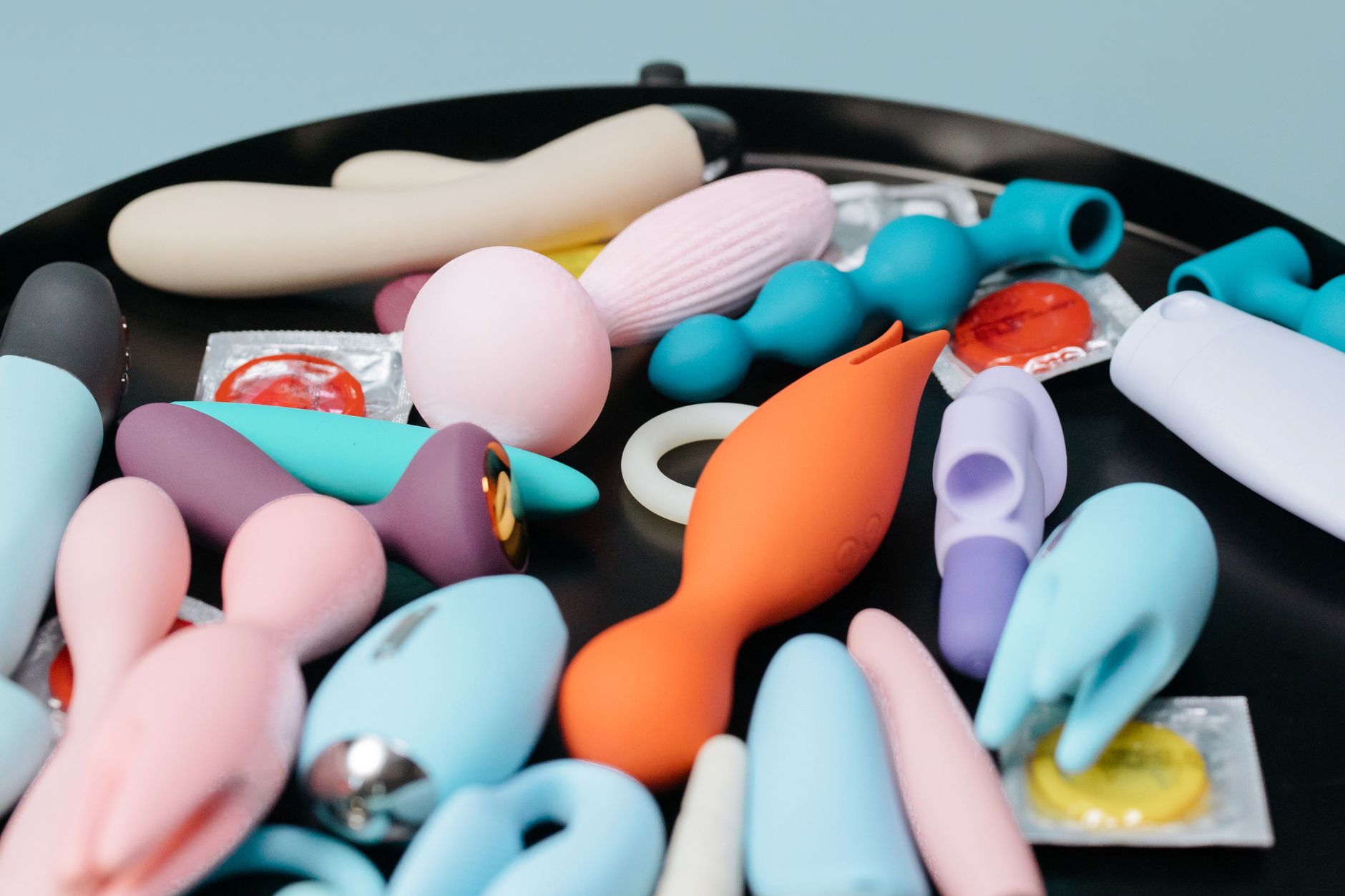
Photo by cottonbro studio on Pexels
What to actually watch for
A few genuine cautions worth taking seriously.
Infection risk. Pregnancy suppresses immune response slightly, making you more vulnerable to vaginal infections. Make sure your lemon vibrator is impeccably clean before every use. If you're using it in the shower or bath, that's actually ideal because water acts as a natural disinfectant. Silicone is non-porous, so it's easier to keep sterile than some other materials.
Cervical sensitivity. As pregnancy progresses, your cervix becomes increasingly sensitive. If your vibrator has a shape that might reach the cervix during use, be mindful of depth and angle. Most people using a lemon clitoral vibrator externally won't have this issue, but if you're combining it with internal stimulation, shallow insertion becomes important. Talk to your OB if you're unsure about what's safe for your specific situation.
Placental position. If you've been diagnosed with placenta previa (placenta covering the cervix), your doctor might recommend avoiding internal stimulation. This doesn't affect external clitoral use with a lemon vibrator, but ask explicitly to be sure.
Preterm labor risk. If you have a history of preterm labor, talk to your OB before using vibrators. You're not automatically ruled out, but your individual risk profile matters.
What actually helps with pleasure during pregnancy
Start with communication. If you have a partner, they need to know that your body is changing and that what worked last month might need adjustment. That's not a rejection of them. It's biology. A lemon clitoral vibrator becomes a way to explore what feels good right now, not a sign that partnered sex is off the table.
Use extra lubrication, even if you normally wouldn't. Pregnancy increases vaginal fluid, but it doesn't always feel slick in the way that's pleasurable. Water-based lube (essential for silicone toys like most Hello Nancy products) takes any friction off the table and makes everything easier.
Start with lower intensity settings. If you typically use a lemon vibrator at pattern 4 or 5, try patterns 1 and 2 during pregnancy. You might find that lower settings are actually more satisfying now because you're more sensitive. You can always increase intensity if something doesn't hit right.
Position matters wildly. Third-trimester penetrative sex is awkward. External stimulation with a lemon sucker while lying on your side? Entirely doable and often more pleasurable because you're not dealing with weight distribution and belly pressure simultaneously.
Take breaks. Pregnancy fatigue is real. If exploration feels like work rather than pleasure, stop. Your body is literally building a human. Rest is not laziness.
How it changes post-pregnancy
Here's something nobody tells you: pregnancy can actually shift what feels good permanently. Some people emerge from pregnancy with heightened sensitivity that persists. Others find they need different stimulation than they did before. A lemon clitoral vibrator's adjustable intensity becomes genuinely useful during postpartum recovery too, when tissue is healing and sensation is unpredictable.
If you've used lemon vibrators throughout pregnancy, you already know how they respond to your body. That familiarity matters during postpartum recovery, when everything feels tender and strange.
The actual bottom line
Using a lemon vibrator during pregnancy is safe. It's also genuinely practical because the suction mechanism works better with pregnancy-shifted sensitivity than traditional vibrators. What's essential is paying attention to your body, staying clean, and talking to your OB if anything feels off. Most importantly, pleasure during pregnancy is allowed. Your body is doing enormous work. Exploring sensation—with a partner, alone, with a Hello Nancy product—is not indulgent. It's self-care that actually feels good.
People also ask
Can orgasms during pregnancy cause a miscarriage?
No. This is one of the most persistent pregnancy myths. Orgasms trigger uterine contractions via oxytocin release, but these contractions are identical to Braxton-Hicks contractions that happen naturally throughout pregnancy. If you have a healthy, low-risk pregnancy with a closed cervix, orgasm won't trigger miscarriage. Some research even suggests that sexual activity during pregnancy is associated with better outcomes, though this is correlational rather than causal.
Is it safe to use a lemon suction vibrator if I have gestational diabetes?
Yes. Gestational diabetes affects blood sugar management, not sexual safety or vibrator use. Your main consideration is whether you have the energy and comfort level for exploration—that's true regardless of diabetes status. Talk to your OB about activity level in general if you have questions, but vibrator use specifically isn't restricted.
What if I experience cramping after using a lemon vibrator while pregnant?
Mild cramping is normal. Orgasm-induced uterine contractions usually pass within minutes. But if you experience severe, persistent pain, vaginal bleeding, or contractions that don't stop, contact your OB immediately. This is rare and not caused by vibrators specifically—it's what you'd do with any unusual symptom during pregnancy. For most people, the mild cramping passes quickly and is indistinguishable from normal pregnancy sensations.
Can I use a lemon vibrator if I'm high-risk pregnant?
It depends on your specific risk factors. Placenta previa, cervical insufficiency, and preterm labor history all warrant a conversation with your OB before using any vibrator. Internal use might be restricted, but external clitoral stimulation is often still safe. Don't assume you're ruled out—ask specifically about vibrator use. Your doctor can give you individual guidance that fits your situation.
Will vibrator use affect my partner's feelings about pregnancy and sex?
That's a relationship question, not a medical one. Some partners feel relieved that you have a way to explore pleasure independently. Others need reassurance that using a lemon clitoral vibrator isn't about dissatisfaction with them. The key is conversation. Say something like: "My body is changing and I want to explore what feels good right now. I'd love for you to be part of that, but I also want the freedom to explore alone." Most partners respond well when they understand it's about adaptation, not rejection.
Is silicone safe during pregnancy?
Yes. Medical-grade silicone (used in Hello Nancy products) is non-porous, non-toxic, and easily cleaned. It's inert—nothing leaches into your body. As long as you keep it clean, silicone is actually one of the safest material choices for pregnancy use.
What to do next
If you're pregnant and curious about using a lemon vibrator, start with a conversation with your OB. Most will give you a green light with the standard caveats about listening to your body. Keep communication open with your partner if you have one. And remember: pleasure during pregnancy isn't selfish. Your body deserves attention and care, and exploring sensation—safely and thoughtfully—is part of that.
If you have specific concerns about your pregnancy or medical history, get in touch with questions. We're here to help you feel confident about your choices.