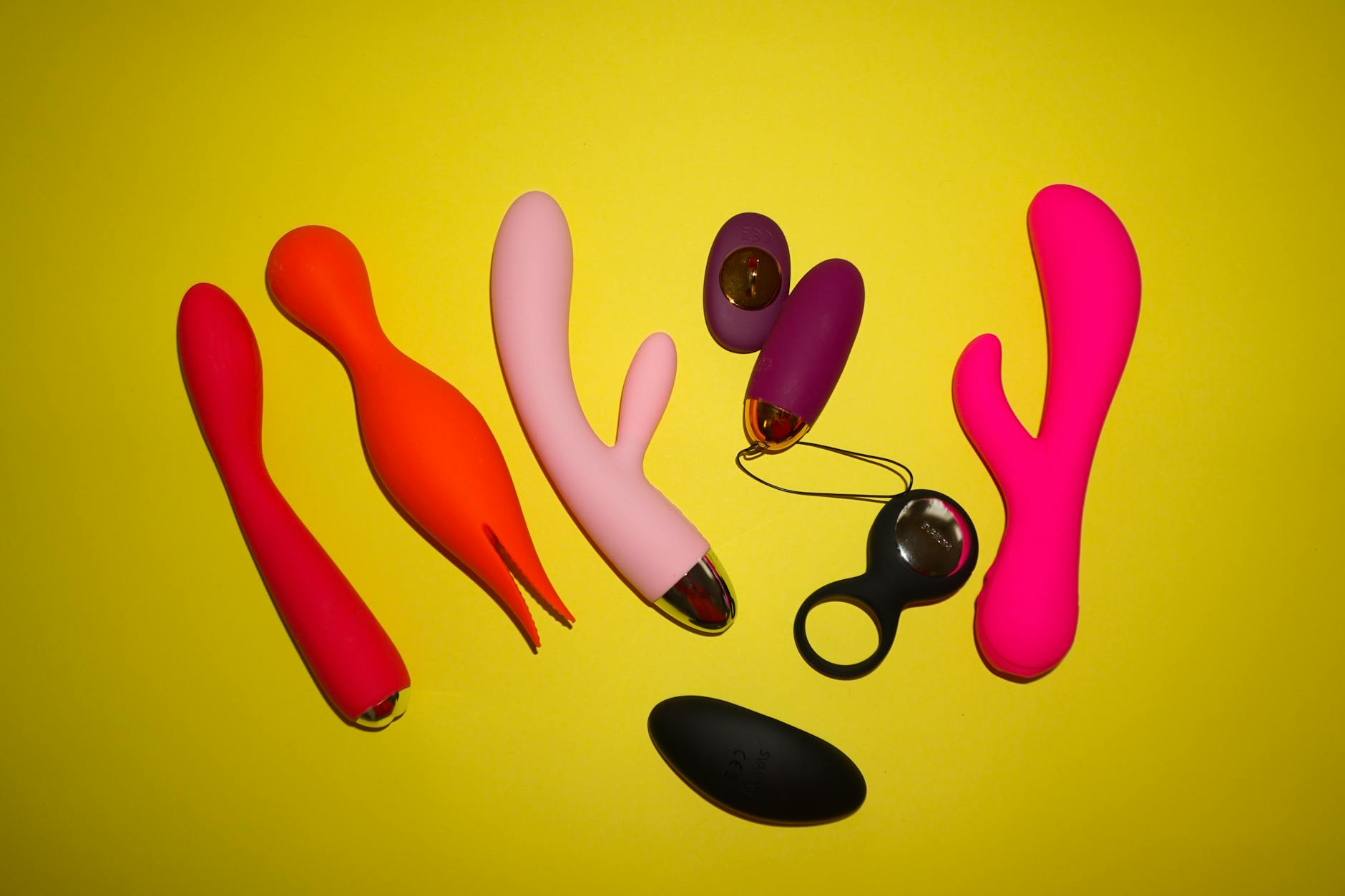
Let's clear up the myth first
You'll hear it everywhere: "Use a vibrator too much and you'll numb yourself. Your body adapts. You'll need stronger and stronger intensity to finish." It's the sex toy equivalent of "you'll go blind." Sounds logical. Feels true when you're in it. And it's mostly not.
Here's what's actually happening when you use a lemon vibrator regularly and wonder if you're losing sensitivity.
What tolerance actually means in the nervous system
Tolerance, clinically speaking, is when repeated exposure to a stimulus produces a weakened response over time. Your nervous system literally turns the volume down. This is real. It happens with pain medication, caffeine, and some other inputs your body processes repeatedly.
But clitoral pleasure doesn't work the same way.
Your clitoral nerves don't fatigue like muscles do. There's no depletion of neurotransmitters happening from one session to the next because of how your body recycles dopamine and other pleasure chemicals. The clitoris has roughly 8,000 nerve endings concentrated in a tiny area. Vibration doesn't wear these out. It doesn't make them less responsive to sensation. What you're experiencing when you feel "numb" isn't neurological. It's something else entirely.
What's actually happening when pleasure feels duller
Three real things that get mistaken for tolerance:
Mental habituation. Your brain gets used to a specific vibration pattern. The novelty wears off. A clitoral vibrator that felt incredible the first 10 times becomes familiar. Familiar feels less intense than novel because novelty is literally part of the pleasure response. This isn't desensitization. It's boredom. And it's fixable.
Baseline stress and tension. If your nervous system is running hot from work, relationship strain, or just life, your capacity to access pleasure narrows. You need more stimulation not because you're desensitized, but because you're distracted. A lemon vibrator works best when your body isn't bracing. The moment you're stressed, everything feels duller.
Pelvic floor tension. This one surprises people. When your pelvic floor stays slightly clenched (which happens under stress), vibration feels less intense because the muscles aren't relaxing enough to let sensation through fully. It's not that you can't feel it. It's that the signal is muffled. Release the tension, and the same vibrator suddenly feels completely different.
Why research shows the opposite of what you'd expect
A 2021 study in Sexual Medicine Reviews looked at regular vibrator use in people across all sexes and found something interesting: consistent users reported more orgasmic satisfaction, not less. Their sensitivity didn't decline. If anything, they became more attuned to subtle variations in sensation.
The study controlled for novelty by looking at people who'd used vibrators for over a year. The expected finding would have been reduced response. Instead, they found that regular users had better orgasmic consistency and, frequently, more intense orgasms than infrequent users.
Why? Practice. Knowing your body's rhythm. Familiarity with what works. These aren't signs of tolerance. They're the opposite.
The real threat to pleasure (and it's not overuse)
If you're noticing that your favorite lemon clitoral vibrator isn't hitting the same way it used to, look here first:
Battery decline. A vibrator running on a dying battery delivers inconsistent stimulation. Your body notices the micro-variations even if you don't consciously register them. Replace the battery. Often that's the whole answer.
Pattern fatigue. If you've been using the same vibration pattern every single time, your nervous system does adapt to that specific rhythm. Not to vibration in general. To that exact pattern. Switch to a different setting. Most lemon vibrators have multiple intensity levels and patterns. Rotate them. Your body stays responsive.
Silicone buildup or microtears. Over months, even with proper care, silicone can develop microscopic damage or retain residue that changes how vibration transmits. Deep cleaning with warm soapy water or a proper toy cleaner often restores the original sensation. If that doesn't work, it might be time to retire this one and start fresh with a new device.
Your own nervous system state. This is the big one. Depression, anxiety, hormonal shifts, relationship tension, and even just being in a different life phase will affect how intensely you experience pleasure. It has nothing to do with vibrator tolerance. It has everything to do with whether your nervous system is available for pleasure right now.
How to keep sensation fresh without chasing intensity
If you want to use a lemon vibrator regularly and keep it feeling good, rotate these variables:
Rotate patterns monthly. Your favorite vibrator probably has 5 to 12 different pulse patterns. Use pattern 1 for two weeks, then switch. This keeps your nervous system engaged without needing to increase intensity.
Change your position or context. Same device, different setting, different time of day, different mental state. A vibrator you use during lunch break feels completely different when you use it at night. That's not tolerance. That's context sensitivity.
Take breaks intentionally. Not because you're damaged or need to "reset," but because occasionally stepping away makes coming back genuinely pleasurable. A week without vibration, then picking up your favorite lemon clitoral vibrator again? That novelty boost is real and useful.
Pay attention to your nervous system. If you're stressed, anxious, or touched out, a vibrator won't feel as good. That's not the device's fault. Use it as information about what you need that day.
Can you actually become insensitive to vibration?
Yes. But it's rare and it's not from overuse. It's from nerve damage. Uncontrolled diabetes, certain medications, spinal cord issues, or genuine neurological conditions can reduce sensation over time. If you suspect this, that's a conversation for your doctor, not a sign to avoid vibrators.
For the vast majority of people, regular use of a lemon sexual toy doesn't damage sensation. It doesn't create tolerance in the way that, say, tolerance to painkillers works. Your body doesn't stop responding. You just get bored or distracted or tense. And all of those are solvable.
The real magic of using lemon vibrators long-term
Honestly though, people who stick with a favorite clitoral vibrator for months or years often report the opposite of tolerance. They learn their own pleasure map better. They understand their body's signals more clearly. They stop needing as much stimulation because they've learned to relax into sensation more fully. Some eventually find they can reach orgasm faster, not slower, because they know exactly what their body needs.
That's not desensitization. That's mastery. And it's one of the best reasons to stick with a device like the Lemon that actually works for your body, rather than constantly chasing the next new thing.
People also ask
Can vibrator use cause permanent nerve damage to the clitoris? No. Normal vibrator use does not damage the clitoral nerves. The clitoris is designed to handle stimulation. What can cause nerve damage is severe trauma (which isn't what gentle vibrator use is) or underlying medical conditions unrelated to toys. If you're experiencing numbness in your clitoris that doesn't improve with a break or device change, that's worth mentioning to your doctor, but it's not from your vibrator habit.
Is it normal to need higher intensity over time with a lemon vibrator? If you're gradually turning up the intensity over months, it's usually not true tolerance. It's likely that you're using the same pattern repeatedly and your nervous system has adapted to that specific rhythm. The fix is switching patterns, not finding a stronger device. If you genuinely need higher intensity, check your battery first, then rotate patterns, before assuming you need a more powerful toy.
How often is it safe to use a clitoral vibrator? Daily is safe. Multiple times daily is safe. There's no magical threshold where vibrator use becomes risky. What matters is comfort, battery life, and hygiene. Use your lemon clitoral vibrator as often as you want. Just keep it clean and replace the battery when it runs low. Your body can handle the frequency. What it can't handle is neglecting your overall nervous system health (sleep, stress, connection).
Do different brands of lemon vibrators feel more or less intense? Yes. Vibrator intensity is determined by motor power, frequency (Hz), and the shape of the stimulation head. A suction-based device like the Lemon works through air-pulse technology, not vibration, so it feels completely different from a traditional vibrator. That's not about tolerance. That's about mechanism. If you've been using one style for a while and want to feel something different, switching to a different technology often feels brand new.
Can you lose the ability to orgasm with a partner if you use vibrators alone? This is one of the most persistent myths. No. Using a lemon vibrator for solo pleasure doesn't retrain your nervous system away from partnered sex. Your body has multiple pathways to pleasure. Using one path doesn't close the others. In fact, many people find that solo vibrator use builds confidence and body knowledge that translates into better partnered experiences.
What should I do if my favorite vibrator really does feel different after months of use? First, replace the battery. That solves about 60% of "my vibrator doesn't feel as good" complaints. Then, switch to a different pattern for a few weeks. If it's still not right, you can do a deep clean with warm water and mild soap or a dedicated toy cleaner. Check for any visible damage to the silicone. If it's truly worn out after years of regular use, that's normal wear and tear. You're not broken. The device just has a lifespan. And getting a fresh one often reminds you why you fell in love with this kind of clitoral vibrator in the first place.
The honest answer to whether lemon vibrators build tolerance is this: your nervous system adapts to boredom, not to stimulation. Stay curious. Switch things up. Pay attention to your stress and your pelvic floor. And know that using a device regularly doesn't damage you. It educates you.
If you want to explore different approaches to vibrator use or understand your body better, reach out to us anytime. We're here to help you figure out what works.