Let's talk about pregnancy and sex without the noise
Honestly, pregnancy might be the biggest conversation shift in your sexual life and nobody prepares you for it. Your body changes, your hormones shift, your partner might be anxious, and your own sense of what feels good gets completely rewired. Most pregnancy sex advice falls into two camps: "don't worry, it's fine" or "here are all the things that will go wrong." Neither helps.
Here's what actually happens physiologically during pregnancy, why clitoral vibrators like those from Lemon Suction matter, and how to navigate pleasure safely when you're expecting and after you deliver.
What pregnancy does to your arousal and sensation
Your blood flow to the pelvic region increases dramatically during pregnancy. This sounds like it would make everything more sensitive and responsive, right? Sometimes it does. But increased blood flow also means more swelling in the vulva and clitoral tissues. That swelling can actually make touch feel duller or uncomfortable if the pressure isn't right.
Estrogen spikes, which thickens vaginal tissues and increases lubrication naturally. Your skin becomes more sensitive overall. At the same time, progesterone rises, which can flatten arousal and make orgasm take longer to build. Some people orgasm more easily during pregnancy. Others find it nearly impossible.
And then there's the mental load. You're managing nausea, fatigue, anxiety about the pregnancy itself, body image shifts, and fear about harming the baby. That cognitive weight alone can kill desire faster than any hormonal shift.
Why lemon clitoral vibrators work differently during pregnancy
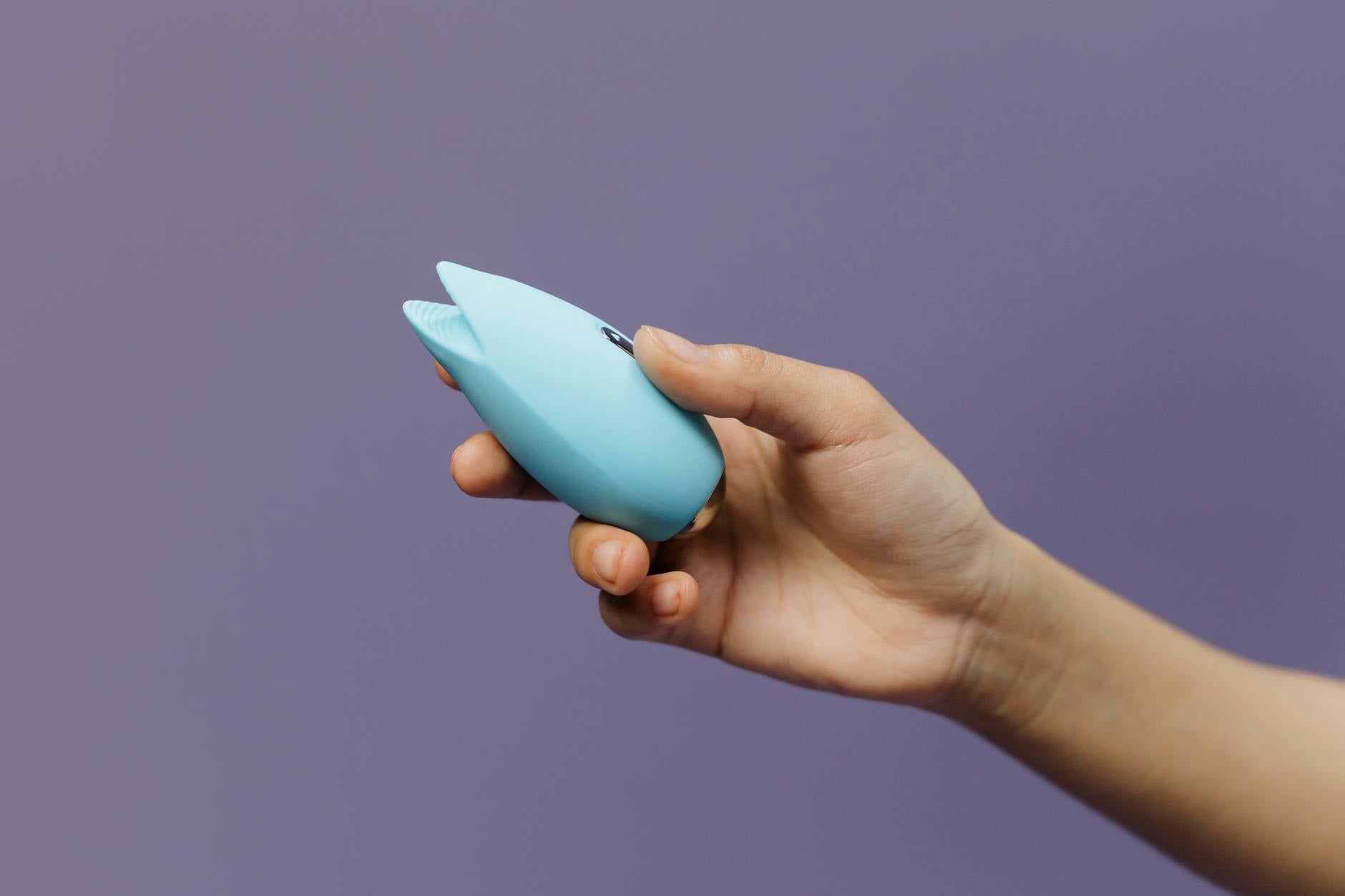
Clitoral vibrators designed with suction technology, like Lemon Suction's toys, offer something specific that matters during pregnancy: stimulation without direct pressure.
As the weeks progress and the vulva swells, direct vibration can feel too intense or even painful. Suction-based stimulation works differently. It draws tissue gently into the cup and releases in a pulse pattern, which feels gentler on swollen tissues while still creating intense sensation. You're not relying on a vibrating head pressing directly against hypersensitive skin.
The ergonomics matter too. A lemon vibrator is small, easy to hold, and doesn't require penetration if you're not comfortable with it. Many partners feel nervous during pregnancy sex, worried about the baby even though the baby is protected by the amniotic sac and cervical plug. Using a clitoral vibrator that you control removes that anxiety from the dynamic. You're directing the experience instead of negotiating it.
Safety during pregnancy: what you actually need to know
Let's address this directly because it's the first thing most people worry about.
Orgasms are safe during pregnancy if you don't have specific medical complications like preterm labor risk, placenta previa, or cervical insufficiency. Your healthcare provider will tell you if you're in one of those categories. Assuming you're not, orgasm won't trigger labor.
Vibrators and sex toys are safe if they're clean and body-safe. That means:
Use silicone toys that you can wash easily with soap and water. Avoid porous materials that harbor bacteria. Don't share toys without cleaning them thoroughly. If you're using a toy with a partner, establish a clear signal system for when to stop. Pain is a signal, and it matters.
Avoid deep penetration if it's uncomfortable, which it often is in later pregnancy. Clitoral stimulation alone is perfectly satisfying and eliminates that variable. This is where a focused lemon vibrator actually becomes an advantage over partnered sex, which often defaults to penetration.
Don't let anyone shame you for wanting pleasure during pregnancy. Your body is doing something incredible and it deserves to feel good.
How desire and sensation actually shift trimester to trimester
First trimester is often a mess. Nausea, exhaustion, and anxiety peak. Many people lose interest in sex entirely. This is temporary. You're not broken. Your body is adjusting.
Second trimester is often called the "golden window." Energy returns. The initial anxiety settles. Many people report heightened arousal and easier orgasms. This is when introducing or reconnecting with vibrators often feels easiest.
Third trimester brings fatigue, physical discomfort, and genuine concern about the baby. Sex often feels unimportant or impossible. This is normal. Some people find they want non-penetrative pleasure instead. A clitoral vibrator that delivers intense sensation without any penetration component can be perfect here because it's zero friction emotionally and physically.
The postpartum piece: what they don't tell you
After delivery, your body has been through significant trauma, whether you had a vaginal or surgical birth. Tissues are swollen, tender, or healing from stitches. Hormone levels crash. You're exhausted, potentially touched out from the baby, and your sense of your own body has shifted.
Medically, most healthcare providers recommend waiting 6 weeks before penetrative sex. But clitoral stimulation is often safe much sooner, especially if you're not having pain. A lemon vibrator can help restore sensation and pleasure during this recovery window without the risk that comes with penetration.
Many postpartum people report that their clitoris feels numb or overly sensitive. This is temporary nerve sensitivity, not permanent damage. Gentle, consistent stimulation with a vibrator can help recalibrate sensation and rebuild confidence in your body. The psychological piece matters here. Knowing that pleasure is returning, that your body still works, is anchoring when everything else feels uncertain.
Postpartum desire often returns much later than expected and slower than people imagine. Six months is common. A year is not unusual. You're not losing your sexuality. Your nervous system is recovering and your identity is recalibrating. Give it time.
How to talk about this with your partner
This is where most couples get stuck. You're both nervous, for different reasons. They're worried about hurting you or the baby. You're worried about your body, your desire, your identity. That anxiety doesn't dissolve through conversation, but clarity does help.
Honestly, introducing a toy like a lemon clitoral vibrator into pregnancy and postpartum sex often makes this conversation easier because it shifts from "are we compatible right now" to "here's a specific thing that feels good." The toy becomes a bridge instead of a threat.
Your partner isn't the expert on your body during pregnancy and recovery. You are. Encouraging them to follow your lead, to ask what feels good, and to trust that you'll communicate if something hurts is more important than reassuring them that everything is fine.
When to pause and talk to a provider
If pain persists after the six-week mark, get evaluated. Pelvic floor tension, scar tissue, or nerve irritation are real and treatable. If desire hasn't returned after a year, especially if it's coupled with mood changes or disconnection from your partner, that's worth discussing with a therapist or doctor. Postpartum mood disorders can flatten desire, and they're also very treatable.
Some people find their sexuality expands after pregnancy and delivery. Others find it contracts or changes shape. Neither is wrong. Your job is to stay curious about what actually feels good now, not what felt good before.
Bringing pleasure back into the picture
Pregnancy and early postpartum aren't sexy seasons. They're survival seasons. But pleasure isn't a luxury, and rebuilding it isn't shallow. Your body deserves to feel good during the most physically demanding period of your life. A clitoral vibrator designed thoughtfully, like Lemon Suction's collection, is a tool for that reclamation. It's not a fix for desire that hasn't returned. It's an option when desire does surface and you want it to feel this good.
Frequently asked questions
Is it safe to use lemon vibrators during pregnancy?
Yes, if you don't have specific medical complications like preterm labor risk or placenta previa. Your healthcare provider will tell you if you're in a high-risk category. Assuming you're not, vibrators are safe. Use clean, body-safe silicone toys and avoid deep penetration if it's uncomfortable. Clitoral stimulation without penetration is often the most comfortable approach.
Can orgasms trigger labor or miscarriage?
No. Orgasms are safe during pregnancy unless you have specific medical conditions. Your doctor will tell you if you're in that small group. The baby is protected by the amniotic sac and cervical plug. Orgasm won't dislodge either.
When can I use vibrators after giving birth?
Clitoral stimulation is often safe much sooner than penetrative sex, sometimes within 2-3 weeks if you're not having pain. Penetrative sex is typically recommended to wait until the 6-week mark or when your provider clears you. This varies based on your delivery and healing, so check with your healthcare provider.
Why does my clitoris feel numb after pregnancy?
Temporary nerve sensitivity is common postpartum. Swelling, hormonal shifts, and the physical trauma of delivery can all affect sensation. This usually resolves over weeks to months. Gentle, consistent stimulation with a vibrator can help recalibrate sensation and restore confidence.
How do I reintroduce sex to my partner if I don't feel desire yet?
Be direct. "My body isn't ready yet" is complete. You don't owe anyone a timeline. If they're anxious, that's their work, not yours. Sometimes introducing non-penetrative pleasure through a toy like a lemon vibrator takes the pressure off and makes reconnection feel safer for both of you. You're not obligated to have sex you don't want just to reassure your partner.
Will my sexuality ever feel normal again?
It will feel like something. Maybe normal, maybe different. Pregnancy and postpartum shift your relationship to your body and desire. That's not bad. It's just real. Some people come out more confident and present in their sexuality. Others find their desire landscape has genuinely changed. Give yourself at least a year postpartum before you assume anything permanent has shifted.
Pregnancy and recovery reshape everything about how you experience pleasure. That's worth honoring, not rushing past. Your sexuality isn't going anywhere. It's just recalibrating. Reach out if you need support navigating this transition at /contact.