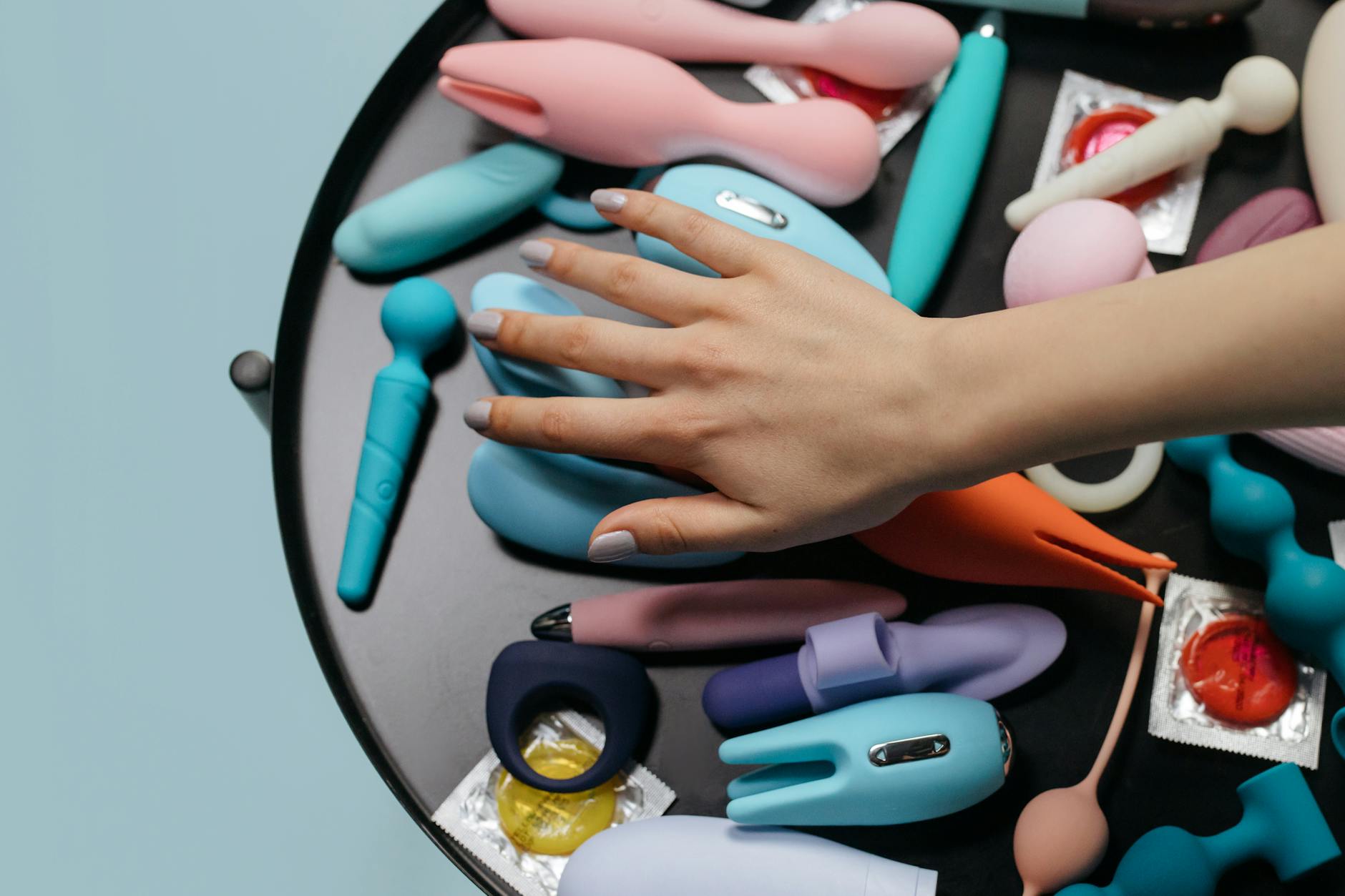
Let's talk about diabetes and sensation
Diabetes changes how your body feels. High blood sugar damages small nerves over time, a condition called peripheral neuropathy. For many people, this means reduced sensation in their hands, feet, and genitals. It's a real side effect that nobody warns you about, and it shifts everything about how sex feels. But here's the important part: reduced sensation doesn't mean the end of pleasure. It means you need different tools.
Lemon vibrators, specifically air-suction clitoral vibrators, work better for people with diabetes-related sensation loss because they bypass the friction-dependent stimulation that traditional vibrators rely on. Instead of buzzing against tissue that might be partially numb, suction creates a pulling sensation that engages deeper nerve pathways. If you've tried standard vibrators and felt like you were going through the motions, a lemon clitoral vibrator might be the reset your body needs.
How diabetes affects sexual sensation
Peripheral neuropathy from diabetes is selective. You might feel temperature and pressure okay, but fine touch goes first. This means gentle stroking feels like almost nothing, but a firm pinch feels normal. Your genitals follow this same pattern. The result is that traditional vibration, which relies on rapid micro-movements against the skin, doesn't register well.
There's also a delayed arousal response. Where you used to build excitement in five minutes, it now takes fifteen or twenty. Some people find that arousal doesn't build at all, even with stimulation. This isn't psychological. It's your nervous system telling you that the input isn't strong enough to cross the threshold into sexual response.
Add to this the fact that diabetes can affect blood flow and hormonal balance, and you've got a perfect storm. Tissues might be less engorged, which means less natural sensitivity. Everything gets quieter at once.
Why suction works better than vibration for neuropathy
Here's the mechanics: a traditional vibrator buzzes up and down 3,000 to 7,000 times per minute. On numb tissue, this feels like a faint hum. A lemon suction vibrator creates rhythmic negative pressure that pulls tissue into the cup. This engages the deeper sensory receptors that diabetes hasn't damaged yet, plus it creates a sensation that's completely different from standard vibration.
The lem vibrator uses this principle specifically for the clitoris. Instead of pressing against tissue, it envelops it gently and then pulses. People with reduced sensation often report that they can finally feel the stimulation happening, even when they can't feel light touch anymore.
There's also a psychological shift. When a tool actually works, you stop tensing up waiting for sensation. You relax. And relaxation is half of sexual response. Tension kills arousal. The second you feel something happening, your whole nervous system settles, and paradoxically, you become more sensitive to what comes next.
Blood sugar stability and sexual function
One thing I emphasize to clients with diabetes is that sensation improvements are real but also variable. When blood sugar is running high, peripheral neuropathy symptoms get worse. When blood glucose is stable, sensation improves slightly. This means that timing matters.
If you're using a lemon vibrator or any clitoral vibrator, try it at times when your blood sugar is typically stable. For many people, that's mid-morning or a few hours after a meal. Sex when you're in a glucose spike feels different than sex when you're steady. Once you notice that pattern, you can plan accordingly.
Also, chronically high blood sugar makes it harder for your tissues to stay lubricated. The vaginal tissue gets drier because glucose actually draws moisture out of cells. This is fixable. Water-based lubricant helps significantly, and if dryness is severe, a doctor can prescribe vaginal estrogen cream. But mention it. Don't just assume you're broken.
How to use a lemon vibrator when sensation is reduced
Start at intensity level one or two. I know the instinct is to crank it up because you're not feeling much, but going too high too fast can actually make tissue sore without you realizing it. Because you can't feel all the sensation, you can't feel pain signals the way you normally would either. Go slow and increase the pattern, not the power.
Give yourself longer warm-up time than you're used to. Twenty to thirty minutes instead of ten. Use lube even if you think you don't need it. The suction mechanism works better when tissue is well-lubricated, and it creates a seal that helps you feel the sensation more acutely.
Position matters too. Lying down or reclining gives you more time to focus on what you're feeling without working against gravity. If you're sitting up, your pelvic floor often tightens slightly, which actually reduces sensation further. When you're relaxed and horizontal, you can feel subtle shifts more easily.
Managing medication side effects on sensation
Some diabetes medications, particularly certain statins, can worsen neuropathy. If you've noticed a sudden drop in sensation after starting a new med, that's worth mentioning to your doctor. Sometimes a different medication in the same class works better. Sometimes the side effect settles after a few months. But don't white-knuckle it alone. This is important enough to raise.
Also, metformin and other common diabetes meds don't cause neuropathy, but they can interact with other medications that do. If you're on antidepressants, blood pressure meds, or anything that affects nerve function, those cumulative effects matter. A pharmacist can help you map this out.
One more thing: if you're rebuilding sensation after getting better diabetes control, that process takes time. Like, months. Nerves regrow slowly. The first few months of improved blood sugar might not feel like much. But around month four or five, people often notice that sensitivity is creeping back. It's subtle, but it's real. Patience is required.
The emotional side of sensation loss
When pleasure changes, identity shifts with it. People often feel like their sexuality has been stolen. That's legitimate grief, and I don't minimize it. But I also see people on the other side of that adjustment discovering a new relationship with sex that's just as rich, just different. It requires permission to redefine what works.
If you're partnered, this conversation matters. Your partner needs to know that sensation loss isn't about them or attraction. It's a medical side effect. And you need to know that it's okay to ask for what you need now, even if it's different from what you needed before. That reset actually strengthens a lot of relationships. You're not performing the same script. You're writing a new one together.
Diabetes changes sensation. It doesn't end sexuality. The tools you use just need to match the nervous system you have right now.
When to see a doctor about sexual side effects
If sensation loss is new or suddenly worsening, get it checked. Sometimes what feels like pure neuropathy is actually a medication interaction or a separate issue happening at the same time. A good endocrinologist or your primary care doc can rule out things like thyroid changes or hormonal shifts that might be contributing.
If you're having pain during sex, don't wait. That's different from reduced sensation and often means something like reduced lubrication or muscle tension that's fixable. Same if you're experiencing complete loss of arousal despite trying multiple approaches. A therapist trained in sexual health can help troubleshoot what's happening and whether it's purely medical or mixed with stress and grief.
Also mention if using a lemon clitoral vibrator or any new toy causes irritation or soreness that you don't notice until later. With reduced sensation, tissue can get rubbed raw without you feeling it in the moment. Starting with short sessions (10 to 15 minutes max) and checking yourself after helps you build tolerance safely.
Moving forward with pleasure and diabetes
Your sexual self doesn't end when diabetes affects sensation. It transforms. That's actually something I work through with clients a lot in relationships affected by chronic illness. The pleasure doesn't disappear. The path to it changes.
Try a lemon vibrator. Adjust the timing and duration. Use more lube than you think you need. Give yourself permission to take longer. And if one approach doesn't work, try another. Your nervous system right now is different from your nervous system before diagnosis. You get to explore what works for this version of you.
Frequently asked questions
Can diabetes cause permanent sensation loss in the genitals?
Diabetes-related neuropathy can be permanent if blood sugar stays uncontrolled for a long time. However, many people see some sensation return when they get better diabetes management. Even if full sensation doesn't come back, the remaining sensation is usually enough to feel pleasure with the right stimulation. That's where tools like lemon vibrators come in. They work with what you have.
How long does it take for sensation to improve after better diabetes control?
Nerve repair is slow. Most people don't notice changes for three to six months, and significant improvement can take a year or more. It's not linear. You might notice a small shift, then nothing for a while, then another shift. The key is consistency with blood sugar management and patience with yourself.
Do lemon vibrators work if I have diabetic neuropathy in my hands too?
Yes. The suction mechanism requires less grip strength and fine motor control than holding a traditional vibrator. Many people find that the design of lemon clitoral vibrators is actually easier to manage if hand sensation or dexterity is affected. If grip is still an issue, you could also explore hands-free options with a partner, or position yourself against a surface so you're not gripping.
Will using a vibrator make neuropathy worse?
No. Using a vibrator won't worsen neuropathy. What matters is blood sugar control. That said, if you use any vibrator too intensely or for too long, you can irritate tissue without feeling it because of the sensation loss. That irritation doesn't cause lasting neuropathy, but it's uncomfortable when it shows up hours later. Start conservatively and build up.
Is sensation loss from diabetes reversible?
Partially, and it depends on how long it's been going on. If neuropathy is new and mild, better diabetes management can help reverse or stop progression. If it's been happening for years, some of the damage is permanent, but people still regain some sensation with good control. The goal isn't always to get back to baseline. It's to stop it from getting worse and work with what you have.
Can I combine a lemon vibrator with other techniques to feel more?
Absolutely. Many people find that combining suction stimulation with manual touch, temperature play, or mental focus creates more sensation than any single approach alone. You could also try combining a lemon clitoral vibrator with a partner's touch. The layered input actually registers better in your nervous system than single-channel stimulation does.
You're not broken
Diabetes steals a lot. It shouldn't steal your sexuality. A lemon vibrator isn't a cure for neuropathy, but it is a tool that actually works with reduced sensation instead of against it. That matters. Your pleasure matters. It's worth exploring what works for your body right now, and that exploration is part of taking care of yourself. If you want to talk through what might work best for your situation, reach out.
Sources
American Diabetes Association. (2023). Standards of Care in Diabetes. Retrieved from https://diabetes.org
Merchantino, L., et al. (2020). Peripheral neuropathy and sexual dysfunction in diabetes. Journal of Diabetes and Its Complications, 34(4), 107497.
National Institute of Diabetes and Digestive and Kidney Diseases. (2023). Diabetes and Sexual Dysfunction. Retrieved from https://niddk.nih.gov
Laumann, E. O., et al. (2009). Sexual problems among women and men aged 40-80 years. Journal of Sexual Medicine, 6(12), 3373-3387.