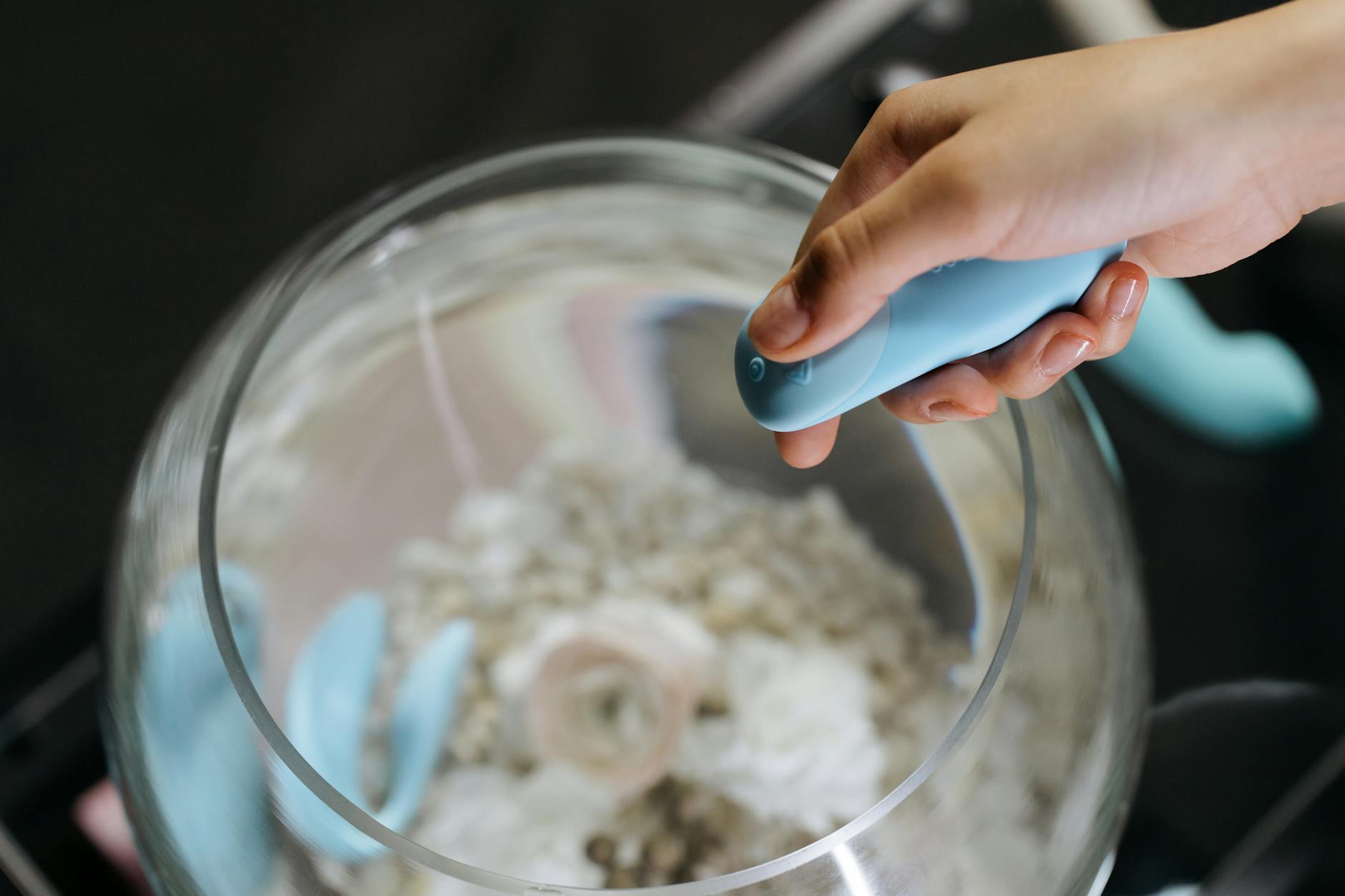
When chronic pain meets pleasure
Let's be real: chronic pain doesn't just hurt in the moment. It rewires how your nervous system processes sensation overall, including pleasure. If you live with fibromyalgia, endometriosis, pelvic pain, or similar chronic conditions, you know that sex feels different. Sometimes pain and pleasure get confused. Sometimes sensation dulls entirely. Sometimes touch that used to feel good now triggers discomfort instead.
The good news is that lemon vibrators like those from Hello Nancy work with this altered sensory landscape rather than against it. They're designed in a way that often feels safer, more controlled, and more pleasurable for people with chronic pain than traditional vibrators.
Here's what actually changes in the nervous system, and how to navigate it.
How chronic pain rewires sensation
Chronic pain conditions don't just cause persistent aching. They change how your central nervous system interprets all touch. It's called central sensitization, and it means your pain threshold drops while your pain response amplifies. A light touch that used to feel pleasant can now register as uncomfortable. Your body is essentially running a heightened alert system, and that affects every sensation you experience.
This also impacts arousal. When your nervous system is in chronic pain mode, it diverts resources away from pleasure pathways. Blood flow priorities shift. The cascade of neurochemicals that build arousal takes longer to accumulate. Your pelvic floor often tenses protectively, which can create a double bind: the tension itself causes pain, which makes relaxation even harder.
For people with conditions like endometriosis, the pain is often localized to the pelvic region specifically, which means intercourse or direct pressure can trigger flare-ups. Fibromyalgia affects the whole body, making certain types of stimulation feel raw or overwhelming. Chronic pelvic pain syndrome creates similar protective tension patterns.
None of this means you've lost the capacity for pleasure. It means your pathway there has changed, and you need tools that respect that change.
Why suction feels different from vibration
Traditional vibrators work by rapid oscillation. For people with chronic pain, that sustained buzzing can sometimes feel overwhelming or trigger pain responses, especially if there's already inflammation or sensitization in the tissues.
Lemon vibrators use suction technology instead. Rather than vibrating the clitoral area, suction gently creates a rhythmic pressure that stimulates nerve endings without the same mechanical intensity. This matters enormously for chronic pain bodies.
Here's why: suction engages pleasure pathways through a different mechanism. It's less likely to trigger protective tension or pain responses because it feels less like direct stimulation and more like a gentle pressure wave. Many people with chronic pain report that lemon clitoral vibrators feel soothing rather than jarring, which opens up the sensory pathway for pleasure instead of closing it.
For someone with endometriosis flare-ups, avoiding deep pressure is often critical. Suction lets you experience clitoral pleasure without any risk of internal pressure. For fibromyalgia bodies, the gentler sensation profile of suction can feel less likely to overtax an already-stressed nervous system. For chronic pelvic pain, the non-invasive nature means you can explore pleasure without triggering the protective tension patterns that make pain worse.
Building sensation back safely
If chronic pain has dulled your pleasure responses, you can't force sensation back with intensity. You rebuild it the same way you rebuild trust after trauma: slowly, with patience, and by proving safety repeatedly.
Start at the lowest suction settings. With a lemon vibrator like the Hello Nancy Lem, this means beginning on pattern 1 and spending several sessions there before moving up. Your nervous system needs to learn that this sensation means pleasure, not pain. That learning takes repetition in a safe container.
Warm-up time is crucial. Spend 15-25 minutes on non-genital touch before moving to direct clitoral stimulation. This could be gentle massage, cuddling, or just lying together if you're with a partner. The goal is to activate pleasure pathways gradually, giving your nervous system time to shift out of pain protection mode.
Watch for your pain patterns and honor them absolutely. If a particular time of day or phase of your cycle tends toward flare-ups, avoid intentional pleasure practice during that window. This isn't deprivation. It's strategy. You're creating conditions where sensation can build safely, which actually expands your overall capacity over time.
Lubricant matters more with chronic pain because many conditions cause tissue thinning or dryness. A quality water-based lube isn't just comfort. It's neurological safety. Less friction means lower chance of triggering pain responses, which means your brain can focus on pleasure instead of protection.
Mental load and pleasure
Here's what most chronic pain guides skip: the mental side of this is bigger than the physical side.
When you live with chronic pain, your attention is already fragmented. Your body demands constant monitoring. A flare-up could happen anytime. Pleasure requires presence, which requires trust that your body won't betray you. That's a huge ask when your body has been doing exactly that for months or years.
Many people with chronic pain conditions benefit from intentional distance from outcome. Instead of targeting orgasm, frame it as sensation exploration. Instead of "will this feel good," try "what does this feel like." This mental reframing removes the performance pressure that often blocks pleasure for people with chronic bodies.
Working with a partner adds another layer. Some partners unconsciously go into protection mode, touching carefully in a way that signals "your body is fragile." That signals danger to your nervous system. What often helps instead is clear communication about what pressure feels good, what feels scary, and where the boundary is today. It shifts from partnership-on-eggshells to partnership-in-strategy.
When to pause and when to push through
Honestly, this is where it gets tricky. There's a difference between the discomfort of unfamiliar sensation and actual pain that indicates something is wrong.
New sensation can feel slightly uncomfortable as your nervous system learns it's safe. This usually has a quality of strangeness rather than pain. You might notice that first time with a lemon vibrator feels intense because suction is different from what you expected. That sensation-strangeness often settles within a few sessions as your body integrates the stimulation.
True pain is different. It's sharp, or it triggers your chronic pain pattern, or it creates the sensation you know means a flare-up is starting. This is the signal to stop immediately and rest. Pain is information. Chronic pain bodies are experts at knowing the difference between sensation-discomfort and actual pain. Trust that expertise.
If pain consistently appears with any type of stimulation, check in with a pelvic physical therapist or gynecologist familiar with chronic pain. Sometimes there's an underlying issue like pelvic floor dysfunction that needs attention first. That's not a failure. It's just the right sequence.
Pleasure as part of healing
This is the part that matters most: pleasure isn't a luxury or a performance metric when you have chronic pain. It's part of nervous system healing.
When you experience pleasure safely and repeatedly, you're teaching your nervous system that your body can feel good. You're literally rewiring those pain-sensitized pathways. You're building evidence against the protective patterns that chronic pain has installed. Over time, this often translates to slight improvement in baseline pain levels, better sleep, and reduced tension overall.
That's not magic. It's neuroscience. The same mechanisms that make chronic pain feel amplified can also amplify positive sensations once your nervous system learns to pay attention to them instead.
Lemon vibrators work particularly well for this because they offer pleasure that feels safe, controlled, and distinct from your pain. They let you explore sensation without triggering the protective responses that other tools might activate. And they're designed in a way that respects both the physical reality of chronic pain bodies and the psychological need to rebuild trust in your own pleasure capacity.
Questions people ask about lemon vibrators and chronic pain
Can lemon vibrators trigger a flare-up of my chronic pain?
It depends on your condition and how you use the tool. Suction-based stimulation is generally gentler than vibration, which means it's less likely to trigger pain responses than traditional clitoral vibrators. However, if you're in an active flare-up, any genital stimulation could be risky. The best approach is to practice pleasure during your baseline pain periods, not during flares. If you notice consistent pain patterns around stimulation, check with a pelvic specialist before continuing.
How long does it take to rebuild sensation after chronic pain has dulled it?
There's no universal timeline. Some people notice improved sensation within a few weeks of consistent practice. For others, it takes months. The key is consistency and patience. Your nervous system is learning, and learning requires repetition. Every session where you experience pleasure without pain is evidence to your brain that good sensation is possible. That accumulates over time.
Is it normal for stimulation to feel overwhelming at first if I have fibromyalgia?
Yes. Fibromyalgia increases general sensory sensitivity, which means new sensations can feel more intense than they might for someone without chronic pain. Start extremely low and slow. The first few sessions are about familiarization, not pleasure. You're teaching your nervous system that this sensation is safe. Once that learning settles, the experience usually becomes more genuinely pleasurable.
Can I use a lemon vibrator during my endometriosis cycle?
It depends on your specific pain pattern. For many people with endometriosis, avoiding penetration and deep pelvic pressure during flare-ups is important. Because lemon vibrators are external and non-invasive, they're often safer than other options during these times. However, you know your body. If direct clitoral stimulation triggers pain during your flare cycle, respect that. Save pleasure practice for times when your baseline pain is lower.
My partner is worried stimulation will hurt me. How do I communicate that pleasure is important?
Separate the conversation into two parts. First, share what you're working toward: rebuilding your capacity to experience pleasure as part of your healing process. Second, explain what safety looks like: starting low, communicating about sensation, and stopping immediately if pain appears. This reframes it from "partner must be careful" to "partner and I have a strategy." You're partnering in healing, not protecting each other from fragility.
Will lemon vibrators help with the mood and sleep improvements people mention?
Pleasure and orgasm trigger the release of neurochemicals like oxytocin, dopamine, and endorphins. For people with chronic pain, these chemicals can have pain-relieving effects and can improve sleep quality. However, this isn't a guarantee. Some people notice significant improvement. Others notice subtle shifts. Treat any mood or sleep improvements as a bonus rather than the primary goal. The main goal is rebuilding your relationship with pleasure itself.
Moving forward with pleasure and pain
Living with chronic pain and wanting to reclaim pleasure isn't selfish or unrealistic. It's an act of resistance against the narrative that pain gets to have the final word on your body's capacity for joy.
Lemon vibrators from Hello Nancy are designed to work with sensitive, pain-aware bodies rather than against them. They give you a tool that feels safer, more controllable, and more distinct from your pain patterns. That matters. That creates space where pleasure can grow.
Your body deserves pleasure. Even in pain, especially in pain. Start small, go slow, and trust the process. If you have questions about whether this approach is right for your specific condition, reach out and let's talk through it together. That's what we're here for.