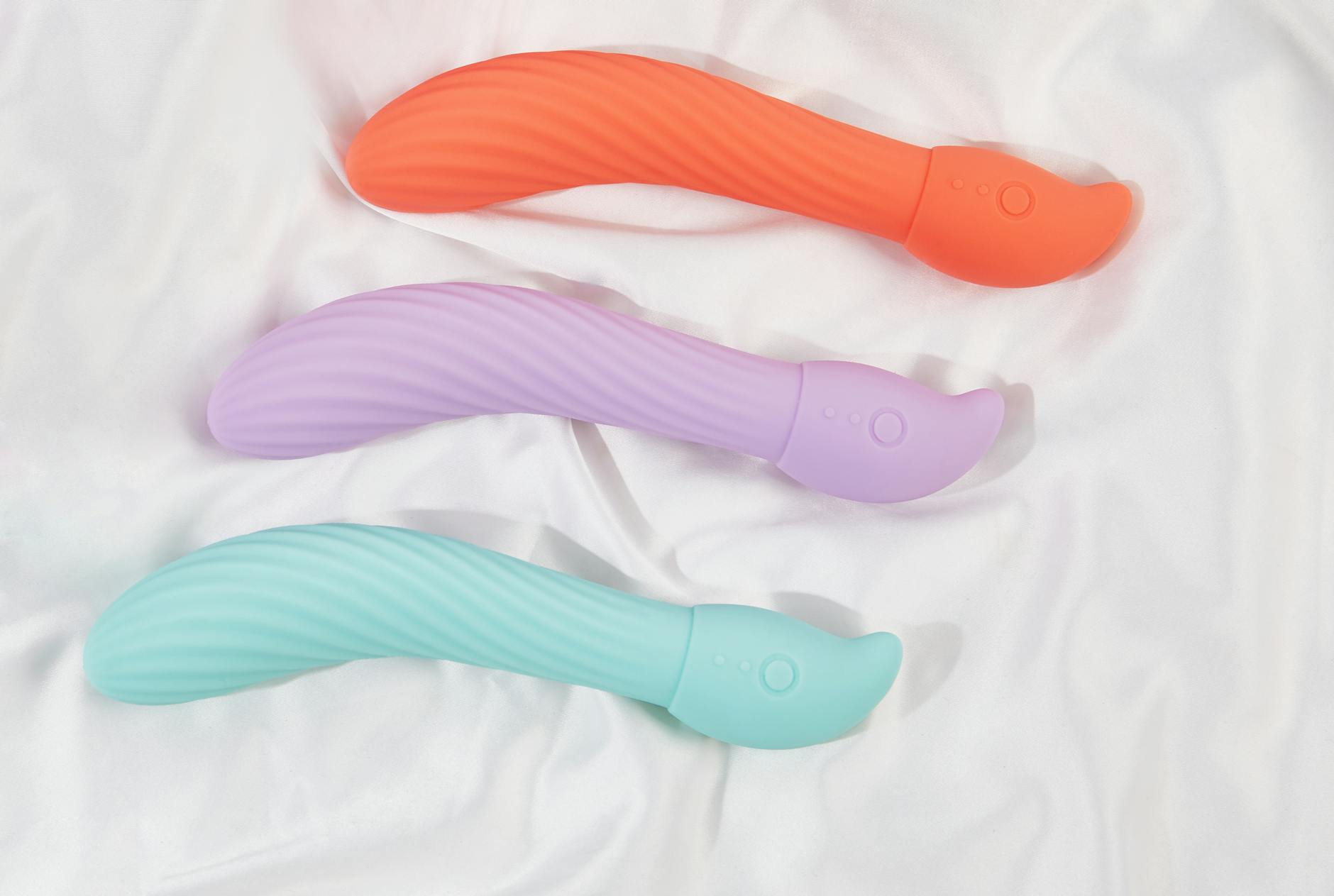
Here's what everyone gets wrong about low libido
Low desire isn't laziness. It's not disinterest in your partner. And it's definitely not something you can think your way out of by reading a self-help book or scheduling sex on a Tuesday at 8 p.m. Low libido is usually friction. Too much activation energy required to even start. Too much performance pressure. Too much cognitive load.
And that's where lemon vibrators, specifically suction-based designs like the Lem, change the equation entirely. They don't force desire. They remove the barriers to it.
Why traditional vibrators often fail when libido is low
Most vibrators are built around a simple principle: direct stimulation through vibration. You hold it, apply pressure, adjust intensity, keep it steady. That requires sustained attention, hand strength, physical focus. When your libido is low, every one of those micro-decisions becomes another reason to stop.
If you're already depleted, anxious, or carrying the weight of a mismatch in desire with a partner, a traditional vibrator can feel like work. Another thing on a to-do list. Another chance to fail.
Lemon clitoral vibrators work differently. The suction mechanism creates gentle stimulation without requiring constant positioning or pressure management. You position it once and it does the rest. That small shift removes enormous amounts of friction.
How suction changes the neurochemistry of low desire
When arousal is naturally slow to build, your brain needs time to quiet down the competing signals. Stress, work, body image, partner dynamics, medication effects, hormonal shifts. Your body is often willing to respond; your mind is occupied elsewhere.
Traditional vibrators demand mental presence. You need to hold it, adjust angle, manage intensity, watch the clock. A lemon sucker like the Lem removes those demands. It holds itself against you. You can close your eyes, relax your hand, let your attention soften.
That absence of micromanagement actually allows the arousal pathway to activate. Your nervous system doesn't have to split focus between operating a device and feeling sensation. This is why so many people with low libido report their first breakthrough orgasm with a suction device, not a more powerful vibrator.
The permission piece (and why it matters more than you think)
Low desire often comes tangled up with shame. You're supposed to want this. Your partner expects this. You used to want this. Every time you reach for a vibrator and don't feel immediate arousal, it confirms the failure narrative.
A lemon sexual toy removes one layer of that equation. You're not fighting your body or your mind anymore. You're just exploring sensation without an outcome attached. That shift from "I need to get aroused" to "I'm going to experience what this feels like" rewires the whole experience.
Most people I work with find that once they've had one or two successful experiences with a device that removes friction, their confidence returns. And confidence is often where libido lives.
Three ways lemon vibrators rebuild pleasure when desire is low
First, the stimulus is novel. If you've been using the same vibrator (or no vibrator at all) for years, your nervous system has adapted. Novelty itself can reignite arousal, especially in the early stages. A suction-based device offers a completely different sensation profile than anything you've tried before.
Second, there's no performance pressure. A partner might worry they're not stimulating you enough. You might worry you're taking too long. All that anxiety dampens arousal further. A device removes the interpersonal element temporarily. You can focus entirely on sensation without managing someone else's experience.
Third, the physical accessibility helps. If arthritis, hand fatigue, or mobility issues have made masturbation harder, that creates a lose-lose: low desire partly because physical pleasure feels effortful, but also because you've stopped exploring pleasure altogether. A lemon clitoral vibrator that requires minimal hand strength and positioning removes that barrier entirely.
When low libido is a relationship issue (and when it's not)
This matters. If your low libido is happening in a context of stress, medication side effects, or hormonal shifts, a vibrator is genuinely helpful on its own. You remove friction, rebuild pleasure, reconnect with sensation.
But if low libido exists alongside emotional distance from your partner, unresolved conflict, or a mismatch in values, a device can't fix that. What it can do is create space for reconnection. Once physical pleasure feels accessible again without shame or performance pressure, couples often find it easier to have the actual conversations they need to have.
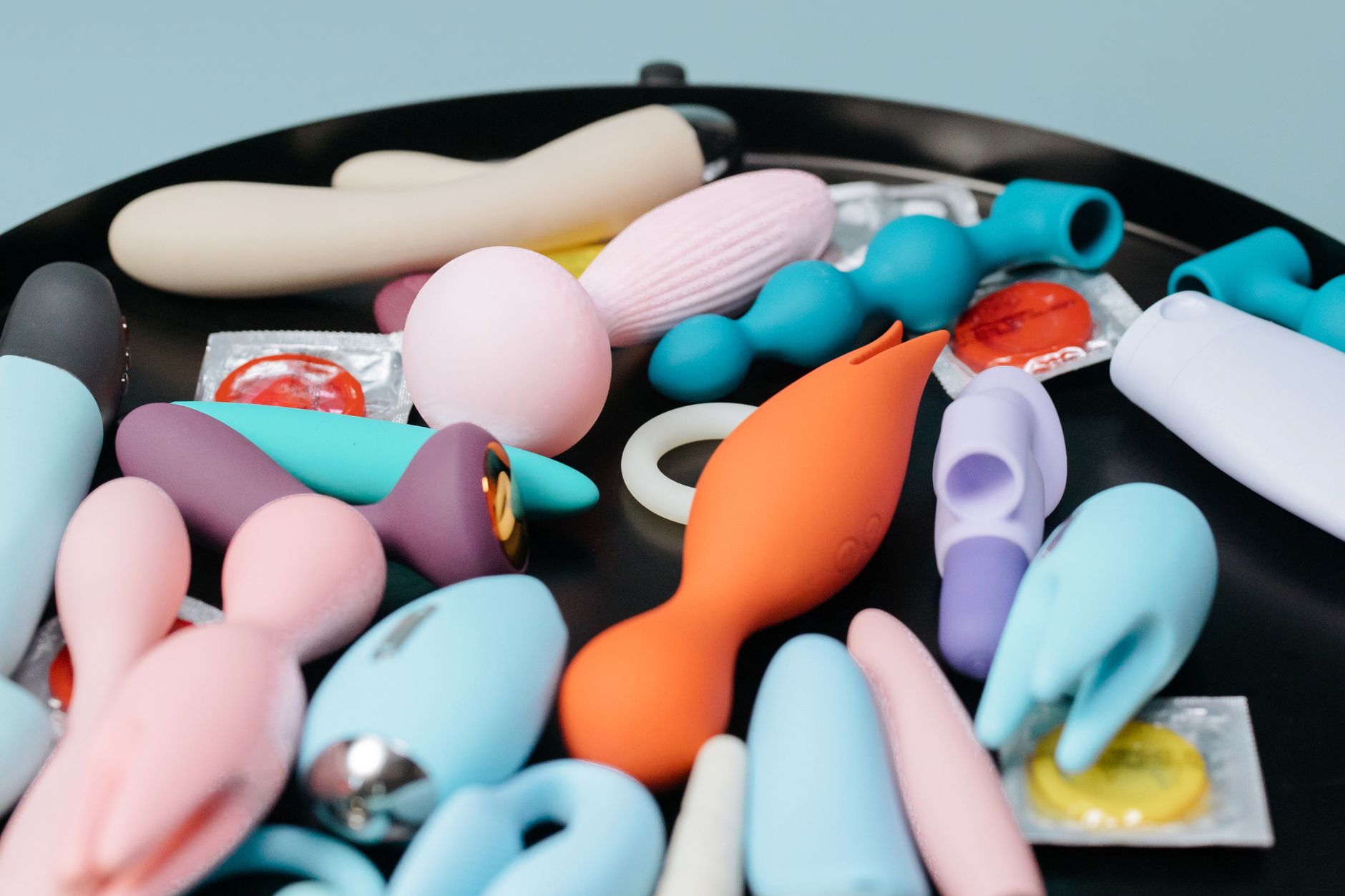
Photo by cottonbro studio on Pexels
How to actually start if desire feels completely absent
Don't wait for libido to return before trying a lemon vibrator. That's backwards. You rebuild libido by rebuilding pleasant sensation and reducing the friction around it.
Start solo. Set aside maybe 20 minutes when you won't be interrupted and you don't have anywhere to be for an hour afterward. No goal of orgasm. That's the opposite of what you need right now. Just exploration. Use water-based lubricant even if you don't think you need it; it reduces any physical friction that might feel uncomfortable when arousal is low.
Position the Lem or another suction device, turn it to the lowest pattern, and let your mind wander. Check in with your body, but don't force anything. Some people feel pleasure immediately. Others need several sessions before sensation clicks. Both are completely normal.
If nothing happens, that's data, not failure. You're learning what your body needs right now. Many people find their response changes once they remove the pressure to perform.
The role of your partner (if you have one)
If you're in a relationship and considering using lemon sexual toys, communicate about it clearly. Not as "something is wrong with me," but as "my nervous system needs less friction right now, and this helps me reconnect with sensation."
A partner who cares about your pleasure will understand this isn't a rejection. It's a tool that works for your current reality. Some couples find that one person using a device while the other is present creates new forms of intimacy. Others find that the person with low desire needs solo exploration first, and that's fine too.
The key is naming it instead of letting resentment or shame build quietly.
Long-term patterns worth noticing
If low libido has persisted for more than a few months and isn't tied to obvious stressors (new job, illness, major relationship conflict), it's worth a conversation with your doctor. Antidepressants, hormonal changes, thyroid issues, and relationship dynamics can all suppress desire. A vibrator helps you reconnect with pleasure in the meantime, but addressing root causes matters too.
For some people, using a lemon clitoral vibrator becomes a sustainable part of their pleasure routine. For others, it's a bridge that helps them rebuild desire until they're ready to engage differently with a partner or with solo pleasure. Both paths are valid.
What matters is removing shame from the equation and understanding that low libido isn't a personal failing. It's usually a signal that something in your environment, body, or relationship needs attention. A Hello Nancy lemon sucker can help you address the sensation piece while you figure out the rest.
Frequently asked questions
What if I don't feel anything the first time I try a lemon vibrator?
Low libido often means your nervous system is in a state where immediate sensation feels unlikely. That doesn't mean the device is wrong for you. Many people need three to five sessions before their body's arousal response shifts. The absence of pressure to perform helps, but your body still needs time to rewire its response. Keep trying, adjust patterns or intensity slightly, but don't grade yourself pass or fail after one session.
Can I use a lemon vibrator with my partner if my libido is low?
Yes, though many people find solo exploration first is helpful. Starting with a partner present can add performance pressure when you're already feeling anxious about desire. Build confidence solo, then experiment together once you've reconnected with sensation. Some couples enjoy this as a shared experience; others prefer it stays individual. Communication is the only rule.
Will a vibrator make my low libido worse by creating dependency?
No. This is a common worry, but the research doesn't support it. If anything, reconnecting with pleasure through whatever tool works helps rebuild your baseline interest in sex overall. You're not creating a problem; you're solving one. Using a device doesn't rewire your brain away from partnered sex. It rewires your brain toward pleasure.
How long does it usually take to feel a shift in libido after using lemon clitoral vibrators?
That varies wildly. Some people feel a shift after one or two experiences of successful sensation. Others need several weeks of regular exploration. The key variable isn't the device; it's whether you're also addressing the underlying causes of low libido (stress, relationship issues, medication effects, hormonal changes). The vibrator removes friction, but it's most powerful when combined with attention to those bigger factors.
What if low libido runs in my relationship and my partner isn't interested in fixing it?
Then a vibrator won't solve that problem, and that's important to acknowledge. You can't vibrate a relationship issue away. If your partner isn't willing to engage in conversations about desire mismatch, therapy might be the right move before anything else. A couples therapist can help you both understand whether this is a temporary rough patch, an incompatibility, or something worth rebuilding.
Does the Lem work better than other suction devices if my libido is really low?
The Lem is designed specifically for ease of use and intuitive patterns, which helps when you have low energy or motivation. Simpler interface, reliable stimulation, less fidgeting required. That said, if a different lemon vibrator appeals to you more, the one you actually want to use is the best one. You won't rebuild pleasure with a device you're avoiding.
The real shift
Low libido isn't something you fix with willpower or a better vibrator. It's something you address by removing barriers to pleasure, one of which is the friction of devices that require too much active management. Suction-based lemon sexual toys are built around simplicity and gentle sensation, which is exactly what a depleted nervous system needs to restart.
Your pleasure matters. Not in some inspirational-poster way, but in a real, physical, nervous-system way. Rebuilding access to it is worth the effort. And the Lem is designed to make that effort as small as possible.
If you're struggling with low desire and want to explore next steps, reach out to our team. We can help you figure out whether a lemon clitoral vibrator fits your situation or point you toward other resources that might help.