Let's be real about the block
You know what kills more orgasms than anything else? Not anatomy, not hormones, not even a tired partner. It's the sentence you can't quite say. "I want you to touch me here." "That doesn't work for me." "I need this to feel good." The words sit in your throat and die there, and then you end up faking it, resenting it, or avoiding sex altogether.
Here's the thing: a clitoral vibrator isn't just a tool for sensation. It's a translator. It says the words you're struggling to say. And once you've used it to show your partner (or yourself) what you actually need, the words get easier to speak.
Why asking feels impossible (even when it shouldn't)
The reasons stack up fast. Maybe you were raised in a house where wanting things felt selfish. Maybe you're afraid of hurting your partner's feelings, or worse, making them feel inadequate. Maybe you learned early that good partners don't "need" anything beyond what their partner naturally wants to give. Maybe you're worried that asking means you don't love them, or that they'll judge you, or that you'll lose the relationship if you rock the boat.
The actual psychology here is worth noting: people who struggle to advocate for their own pleasure often have a long history of learning that their comfort matters less than someone else's. That was adaptive once. Now it's costing you orgasms.
What's wild is that research on couples consistently shows the opposite is true. Partners want to know what turns you on. They want to be good at this. But they can't read your mind, and expecting them to is a recipe for resentment on both sides.
The vibrator as a conversation starter
Introducing a clitoral vibrator into your sex life doesn't bypass the conversation. It jumpstarts it. Here's why: a vibrator is undeniably about you. It's not about what your partner can or can't do with their hands or body. It's not a referendum on their technique. It's simply a tool that gives you better access to your own pleasure.
That shift in framing changes everything. Instead of "you're not doing it right," the message becomes "this is what I want to add." Much less threatening.
Start here: use a vibrator solo first. Get familiar with what patterns feel good, at what speed, with how much pressure. That's not hiding. That's preparation. You're learning your own language before you try to speak it to someone else.
When you're ready, the introduction can be incredibly low-key. "I want to try something. I picked up a vibrator. Want to see?" No apology. No explanation. Just a fact and an invitation.
How to actually use it during partnered sex
Let's walk through the mechanics, because knowing what to do physically makes the communication part less awkward.
Start with yourself. During foreplay, reach for your vibrator before your partner does. Show them what you're doing. This normalizes it fast. You're not replacing them. You're enhancing the experience for yourself, which makes sex better for both of you.
Let them help if they want. Some partners love holding the vibrator while you guide it. Some prefer to watch. Some want to focus on something else while you handle this part. All are fine. You get to direct.
Use it as a bridge to orgasm. If you struggle to come during partnered sex, a vibrator can be the key that makes it possible. Once your partner sees how this helps, the defensive walls come down. They're not threatened by it. They're relieved.
Communicate during. "A little higher." "Slower." "Keep doing that." You're practicing the words in a lower-stakes moment. It gets easier.
The conversation that needs to happen
At some point, you'll want to have a real talk. Not during sex. Not when you're frustrated. When you're both calm and clothed and have time.
Start with appreciation: "I want to try new things because I love you and I want us to feel great together." That's not a lie. That's the truth.
Then get specific: "My body needs X to feel good." Not "you don't do X well." Not "I wish you were like Y." Just a fact about your body.
End with an invitation: "I want us to figure this out together." And mean it. Their input matters too.
If they respond defensively, that's information. That's about their insecurity, not about your request. You can work through that, but not if you're already spending energy suppressing what you want. That's when resentment poisons everything.
What happens after you've asked
Once you've introduced a vibrator and had the conversation, something shifts. The words come easier next time. You realize your partner didn't leave. Didn't get angry. Actually seemed more interested in the sex, more present, more eager to make it good.
That's when you realize the fear was bigger than the actual risk. And that's when asking for other things gets possible too. Not just sexually. But in the relationship generally.
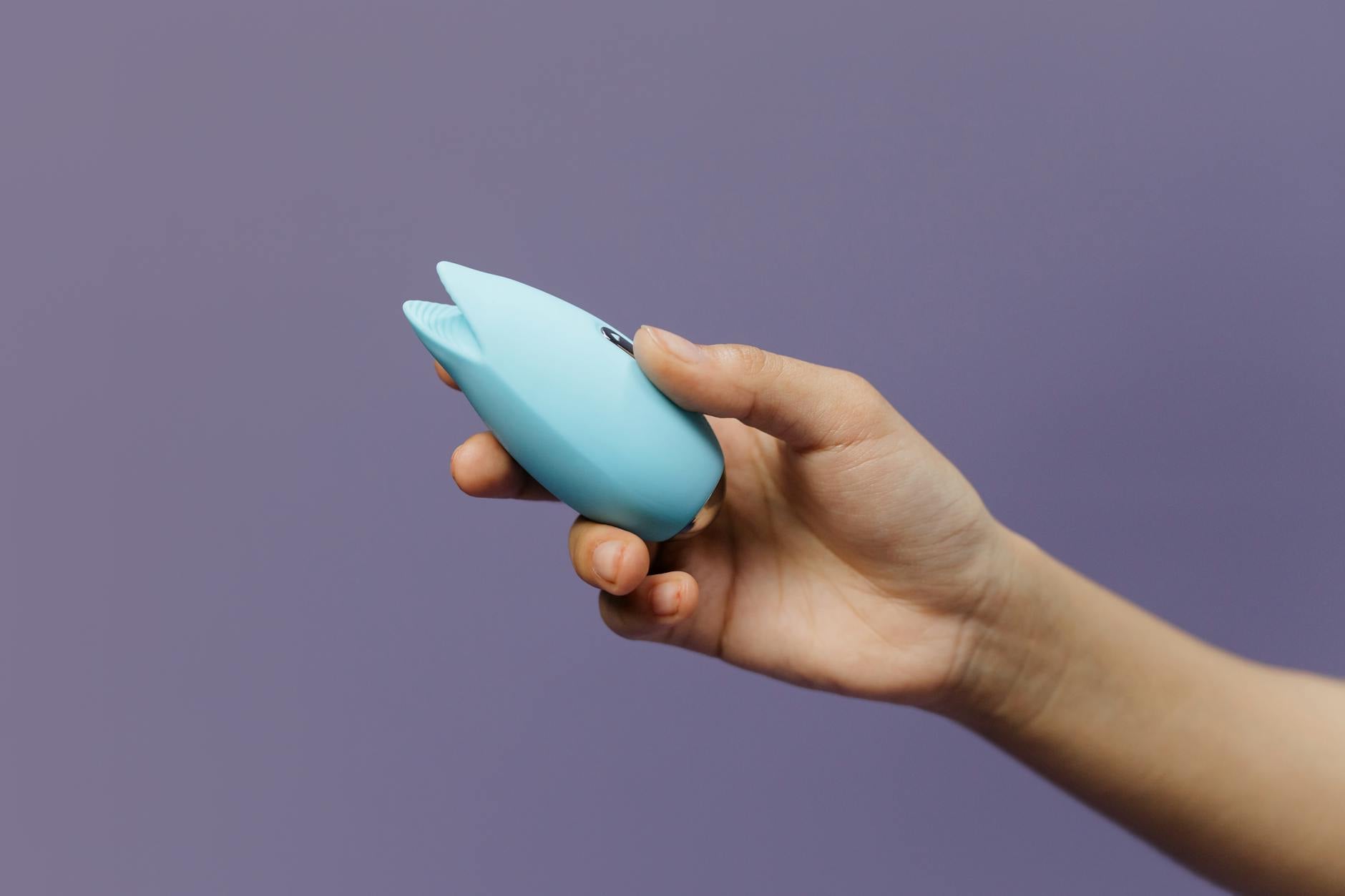
Clitoral vibrators from Lemon Suction, like the Lemon Clitoral Vibrator, work beautifully here because the sensation is so direct and responsive. You're not hunting for the right angle or pressure. You can focus on the communication instead of the mechanics.
When asking is harder than you expect
Sometimes you ask and your partner gets weird. Cold. Defensive. Says things like "I thought you were satisfied" or "why would you need that if you have me?"
That's a relationship problem, not a you problem. And it's important to name that. You can say: "I hear you're worried. That's not what this is about. But I need my pleasure to matter in this relationship."
If they won't budge, if they make you feel broken for wanting good sex, that's not a communication barrier. That's a boundary violation. And that's worth thinking hard about.
But most of the time, what actually happens is that introducing a vibrator opens a door to a better, more honest sex life. Because once one thing gets said, the rest becomes possible.
FAQ
How do I introduce a vibrator without my partner thinking I'm not attracted to them?
Frame it as an addition, not a replacement. "I want to try this to feel more pleasure, and I want you here with me." Attraction and needing a tool are completely separate. Their hands and body are still central. The vibrator is just one more ingredient. Most partners, once they see how much more engaged and present you become, stop worrying and start enjoying it.
What if my partner wants to use it on me but I'd rather control it myself?
Tell them. "I want to guide this one." You get to decide what touches your body and how. If they're not okay with that, see the previous answer. But most people are fine with it, especially once they understand it's not about trust or preference. It's about you knowing your body better than anyone else.
Is asking for what I want during sex selfish?
No. Asking is the only thing that isn't selfish. Expecting your partner to guess, then resenting them for guessing wrong, is selfish. Faking pleasure to protect their ego is actually selfish because you're denying them the chance to be a good partner. Asking is vulnerable and honest and the only path to real intimacy.
What if I ask and my partner says no?
That's their right. But it's also information. If they say no to your pleasure, that's a conversation about values and priorities in your relationship. You can push back: "My pleasure matters to me, and I need it to matter to you too." If they still won't budge, you get to decide if that's a dealbreaker. It might be.
Should I ask about the vibrator before or during sex?
Before is easier for talking. During is easier for normalizing. Ideally, you do both. You talk about it when you're calm, then you introduce it when you're together. The conversation takes the weirdness out of the moment.
How do I know if I'm asking for too much?
You're not. Your pleasure has a price. That price is honesty. If your partner loves you, they'll pay it. And if they won't, you need to know that now, not after years of faking it.