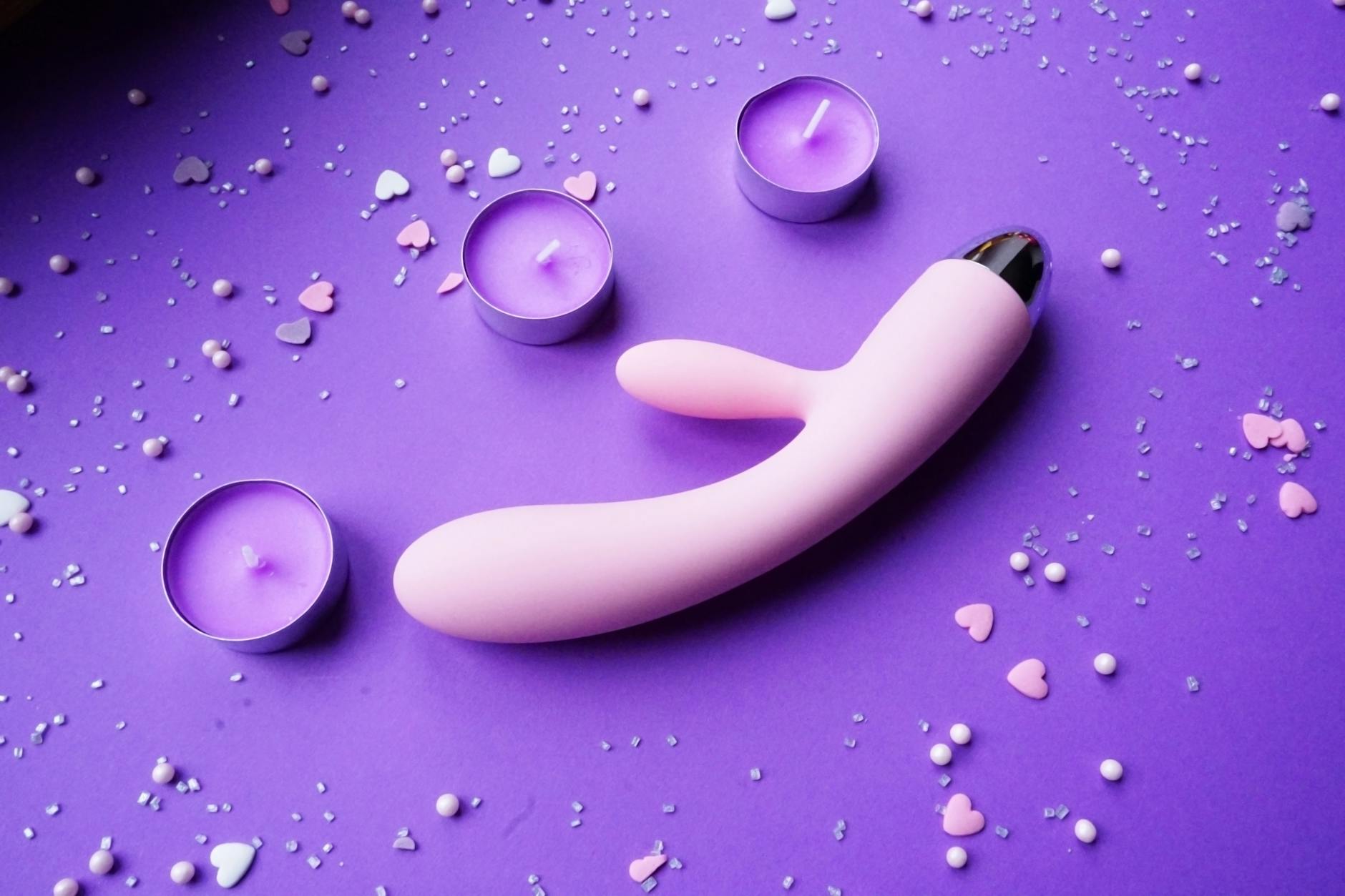
Let's talk about what happened
Pelvic floor trauma changes your relationship with your body in ways that aren't always obvious. Whether it's from childbirth, surgery, accident, or chronic tension, the pelvic floor tightens, numbs, or develops pain responses that override pleasure. Touch becomes loaded. Sensation becomes unreliable. You're not broken. Your nervous system is doing exactly what it's supposed to do after threat. But that makes returning to pleasure feel impossible.
Here's the thing though. Recovery doesn't mean going backward to who you were. It means building something new. And often, lemon clitoral vibrators become part of that rebuilding in ways traditional toys can't.
Why pelvic floor trauma changes sensation
Your pelvic floor is a group of muscles that support your bladder, bowel, and reproductive organs. It also houses some of your most sensitive nerve endings. When trauma happens, three things occur simultaneously.
First, the muscles tighten involuntarily. Your body is protecting you. That tension restricts blood flow, which means arousal takes longer and feels different. Second, the nervous system becomes hypervigilant. Touch that should feel good triggers a protective flinch instead. Third, you lose the baseline awareness of that area altogether. Some people describe it as numbness. Others say everything feels too intense. Both are your system recalibrating.
Clinically, we see this across multiple trauma types. Childbirth trauma (whether vaginal or cesarean), sexual assault, pelvic surgery, repetitive sports injury, even chronic stress that lives in your hips. The pathway is the same. Threat, protection, altered sensation.
But sensation can return. And often it returns deeper, more nuanced, and more under your control than it was before.
The nervous system reset: why lemon vibrators work differently
Traditional vibrators rely on rapid oscillation. Your nervous system, already in protection mode, often interprets speed as aggression. It's not rational. Your brain isn't involved. But your body contracts, and the session ends before it starts.
Lemon sucker vibrators use air-pulse suction instead. That pattern mirrors something closer to the natural rhythm of arousal. The sensation builds, plateaus, releases. It's cyclical rather than constant. For people recovering from pelvic floor trauma, this cyclical pattern often feels safer because it gives your nervous system permission to relax between pulses.
Second, because lemon clitoral vibrators focus entirely on external stimulation, there's no internal pressure. You're not navigating fear about penetration while also trying to feel pleasure. The barrier to entry is lower. Literally and figuratively.
Third, the suction pattern doesn't require the kind of direct friction that can feel too intense on traumatized tissue. If your pelvic floor is tender, traditional vibration can feel abrasive. Suction feels closer to a gentle tug, which most people find less triggering.
Before you start: the three-month threshold
I don't recommend returning to any penetrative or intense stimulation until at least eight to twelve weeks post-incident. But external clitoral exploration with the right tool can start much earlier, depending on healing and clearance from your physical therapist or gynecologist.
The key is tracking your nervous system response, not just physical healing. Ask yourself these questions.
Can I touch the area without flinching? Not without sensation. Without the automatic protective response. Can I breathe normally when something makes contact? Shallow breath means your system is still in protection mode. Can I notice pleasure as a distinct sensation from pain or numbness? If everything feels either painful or numb, your nervous system isn't ready yet.
If you answer yes to all three, you're in a place to explore.
Starting with your lemon vibrator: the five-step reintroduction
Step one: no insertion, just presence. Keep your lemon sexual toy in your bedroom. Hold it. Charge it. Get used to its weight and temperature without turning it on. This is about desensitization in the clinical sense. Your brain learns this object is not a threat.
Step two: touch without activation. Place it against your vulva while clothed or while wearing underwear. No power. Just the gentle pressure. Notice what your body does. Does your pelvic floor tighten? Do you hold your breath? This is information, not failure.
Step three: activate at the lowest setting. Many lemon vibrators offer progressive intensity. Start at setting one. For fifteen to thirty seconds. Then turn it off. The goal is not orgasm. The goal is learning that your body can experience stimulation without pain or overwhelm.
Step four: extend duration gradually. Once setting one feels neutral (neither threatening nor pleasurable), extend it to one minute. Then three. You're teaching your pelvic floor that sustained touch doesn't require protection.
Step five: increase intensity at your pace. Only when lower settings feel genuinely boring, not scary, move to the next level. This can take weeks. That's correct. Recovery is slow.
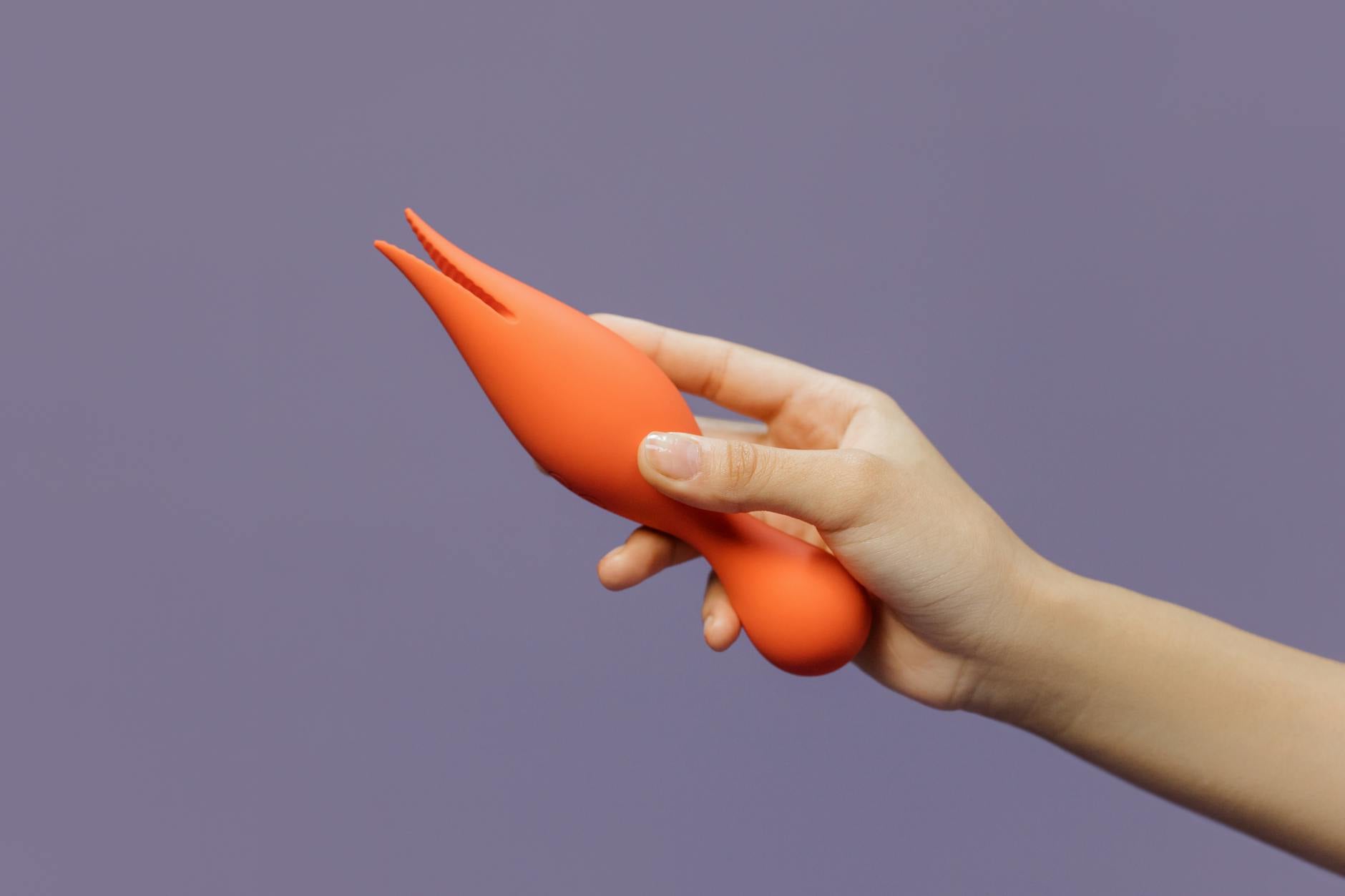
Photo by cottonbro studio on Pexels
What to do when anxiety shows up
It will. You'll be using your toy, everything will feel fine, and suddenly your heart rate spikes or you feel a flinch that makes no logical sense. This is your nervous system reviewing its threat history, not a sign you're not ready.
When that happens, pause immediately. Not because you failed, but because continuing overrides what your nervous system is communicating. Pause, breathe into your belly for two minutes, then decide. Sometimes you'll resume and finish. Sometimes you'll stop for the day. Both are valid.
Keep a small note on your phone. Record which settings, what duration, and how your system responded. Over time, you'll notice patterns. You'll see that your tolerance improves. You'll see that certain times of day, certain positions, certain breathing patterns make the difference between safety and triggered response.
Also consider pairing your lemon clitoral vibrator sessions with grounding. Before you start, run through a body scan. Can you feel your feet on the floor? Your back against the pillow? Anchor yourself in the present moment. Trauma lives in past sensations. Grounding brings you back to right now.
When to involve a partner
If you have a partner, solo exploration first is the right call. You need to know what your own nervous system feels like when it's safe and free from pressure. Once you're comfortable alone, you can bring your partner in.
Start with them simply present. Not touching. Not helping. Just in the room. This teaches your nervous system that you can experience pleasure while another person exists nearby. That's a separate skill from pleasure itself.
When you're ready, let them watch you use your lemon vibrator on yourself. You stay in control. You control speed, duration, intensity. This reinforces your agency over your own sensation. Many people find this reduces the shame or fear that trauma creates around pleasure in partnership.
Only after that, if you want, might a partner participate more directly. But recovery is not about meeting someone else's timeline. It's about meeting your own.
The role of physical therapy
I want to be clear. A lemon clitoral vibrator is not a substitute for pelvic floor physical therapy. It's a companion tool. A good pelvic floor PT teaches you how to relax those muscles intentionally, how to release the protective grip, and how to restore neural connection.
Your vibrator helps you rebuild sensation and pleasure confidence. Your PT helps you rebuild function and release trauma held in the tissue itself. Both matter.
If you haven't already, see a pelvic floor specialist before, during, or immediately after starting to use your lemon sexual toys. They can assess whether your particular healing process is suited to external stimulation, and they can give you specific guidance about your body.
FAQs
How long does it take to feel pleasure again after pelvic floor trauma?
Varies widely. For some people, baseline sensation returns in two to three months. For others, it takes six to twelve months. Pleasure, as distinct from sensation, sometimes takes even longer because it requires your nervous system to feel genuinely safe, not just physically healed. Progress isn't linear. You might have a week where everything feels easy, then a week where you're back to flinching. That's normal.
Can I use lemon vibrators if I'm still in active physical therapy?
Yes, and many PTs recommend it. The key is communicating with your therapist about what you're doing and at what intensity. They can tell you if a particular exercise or tool is working with or against your healing plan.
What if I still feel numb even after months of using my lemon clitoral vibrator?
Persistent numbness can signal that deeper trauma is still held in the tissue or that your nervous system needs additional support. Consider talk therapy alongside physical therapy. Sometimes pleasure numbness is tied to emotional processing, not just physical healing. A trauma-informed therapist can help.
Do I need to tell my partner about using lemon sexual toys during recovery?
That depends on your relationship and your comfort. Some people find it helpful to frame it as "I'm using this tool to rebuild my own sensation and confidence." Others prefer to keep it private. There's no right answer. What matters is that you're doing this for you.
Is it normal to feel guilty about using a vibrator after trauma?
Very normal, and worth examining. Trauma often comes with shame. Pleasure can feel like betrayal of that narrative. But your pleasure is not tied to what happened. Using a lemon vibrator is an act of reclamation. Your body deserves sensation. Your nervous system deserves safety. Those two things can coexist.
What if penetration was part of the trauma itself?
Then starting with external clitoral stimulation is exactly right. Many people who experienced penetration trauma find that returning to pleasure through non-penetrative routes feels safer and more healing. There's no timeline for expanding beyond that. Some people never want internal sensation again. That's also completely valid.
Coming back to your body
Pelvic floor trauma is not the end of your sexual self. It's a fork in the road. Recovery looks different for everyone. For some, it means returning to exactly what you had before. For others, it means discovering that pleasure looks and feels totally different now, and actually better.
A lemon sucker vibrator is often the gentlest entry point because it doesn't demand your body to be "ready." It meets you where you are. It lets your nervous system set the pace. It's patient.
Your body isn't broken. It's renegotiating its relationship with sensation. And that renegotiation, slow as it is, can bring you somewhere you've never been.
If you're working through recovery and have questions about what tools might help, reach out. We're here.
References
Bo, K., Berghmans, B., & Morkved, S. (2015). Evidence-based physical therapy for the pelvic floor: bridging science and clinical practice. Elsevier.
Takahashi, S., Jervis, P. N., & Channon, S. (2011). Sexual function after childbirth. Obstetrician & Gynaecologist, 13(1), 41-45.
Van Delft, K., Sultan, A. H., & Thakar, R. (2018). Pelvic floor injury in childbirth: review of current evidence and investigation of the problem. Ultrasound in Obstetrics & Gynecology, 51(3), 301-308.
Zolnoun, D. A., Hartmann, K. E., Steege, J. F. (2003). Overnight 5% lidocaine ointment for vulvodynia: a randomized placebo-controlled trial. Obstetrics & Gynecology, 102(1), 84-89.
Pussell, B. A., & Goldstein, S. W. (2009). Pelvic pain and sexual dysfunction in women. Oxford University Press.