Let's name what's actually happening
Here's the thing: arousal buildup taking 15, 20, even 30 minutes doesn't mean your tissue has gone numb. Those are two completely separate systems. One is neurological pacing. The other is tissue responsiveness. Most advice conflates them, which tanks your confidence for no reason.
You can have slow arousal AND highly responsive sensation. In fact, that combination is more common than the "instant spark" narrative would have you believe, especially in long-term relationships, over 40, or after periods of low frequency.
What slow arousal actually is
Arousal buildup is the neurological sequence that gets your brain engaged and blood flowing to your genitals. It's controlled by attention, novelty, relaxation, and hormonal state. Tissue responsiveness is whether that tissue fires when stimulation lands on it. These operate independently.
My clients often describe it like this: "I'm not interested at first, but once I get going, everything works perfectly." That's not broken. That's just how their particular nervous system sequences arousal. Some people ignite instantly. Others need a slow warm-up. Both are baseline normal.
The problem isn't your timeline. The problem is trying to force speed when you're built for gradual buildup.
Why Lemon vibrators are particularly good for this pattern
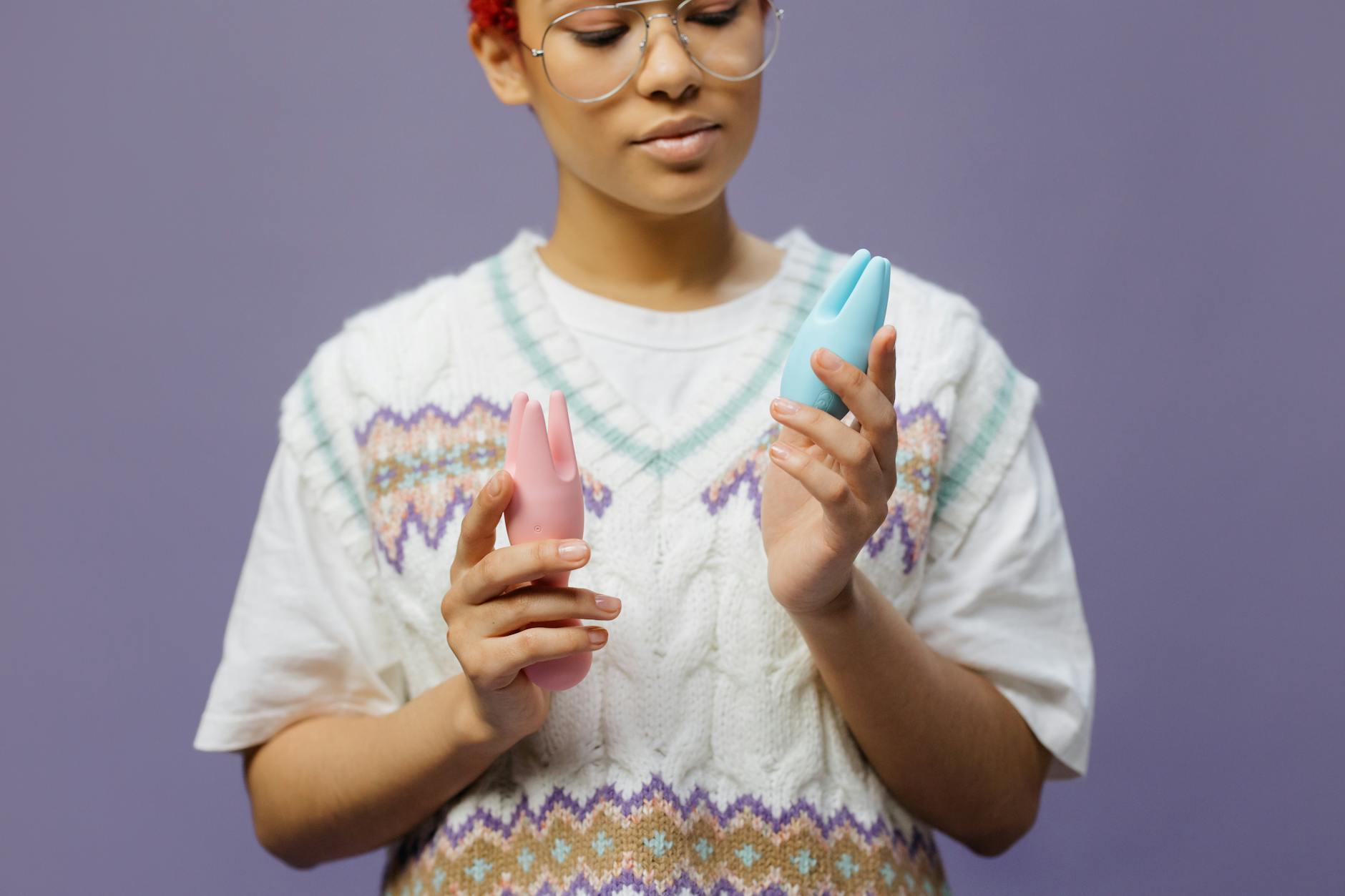
Lemon clitoral vibrators, especially suction-based designs, work differently than traditional vibration toys. Instead of relying on rapid mechanical friction to force arousal into a faster gear, they create gentle, building waves of stimulation that your tissue responds to immediately without needing to be jolted into readiness.
A suction-based lemon vibrator mimics the natural rhythm of oral stimulation, which allows your arousal curve and your tissue responsiveness to sync up. You're not fighting against your own nervous system. You're supporting the pace your body actually prefers.
Here's the practical part: because suction-based lemon adult toys don't require high arousal states to feel good, you can use them earlier in your arousal timeline and let the pleasure build naturally.
The timing framework that actually works
Phase 1: The Setup (5-10 minutes)
Start your solo session or time with a partner at the point where you're mentally interested, even if your body isn't "ready" yet. Mental engagement is the first domino. Set an environment free of interruption. Phone away. Lights how you like them. Temperature comfortable.
Don't wait for physical arousal to begin the session. Start when your brain is interested.
Phase 2: Soft Tissue Contact (5-15 minutes)
This is where a lemon clitoral vibrator earns its place. Begin at the lowest intensity setting (most lemon vibrators have 3-5 speeds). The sensation will feel subtle. Good. That's the point.
Let your tissue respond without pressure. You're not chasing a feeling. You're offering consistent, responsive stimulation and letting your body decide the pace. Many people report that starting at intensity level 1 or 2 actually feels better in this phase than jumping straight to medium, because it matches where their arousal actually is.
Phase 3: Building Rhythm (5-20 minutes)
As arousal starts moving (not before), gradually increase intensity. This is where most people get it wrong. They increase intensity because they think they should, not because their tissue is asking for more.
Instead, increase intensity only when you notice your pelvis or hips starting to move, or when the current sensation starts to feel slightly insufficient. That's your tissue telling you it's ready for more.
Phase 4: Sustained Pleasure (variable)
Once you've found an intensity level that feels right, stay there. Ride the sensation. Many people with slow arousal patterns report that staying at one intensity for several minutes creates deeper, more intense pleasure than constantly chasing the next level.
This is counterintuitive if you've been told that more intensity always equals more pleasure. It doesn't. Consistency plus responsiveness equals intensity.
The partner conversation that matters
If you have a partner, the single best thing you can do is separate arousal pace from desire. Slow arousal is not low desire. You can want sex intensely and still take time to get physically ready.
Make this explicit: "My arousal takes time, and that's normal for me. What helps is consistent, gentle stimulation while we connect." Then show them how you use a lemon vibrator. Let them see the pattern. Remove the mystery.
Most partners assume slow arousal means something is wrong with the relationship or their attractiveness. It's almost never that. It's just pacing. And once it's named clearly, it stops being a problem.
The solo session strategy
When you're alone, you have even more control. Here's what I recommend:
Start your session without the vibrator. Spend 5 minutes on mental engagement. Read something that interests you. Put on music you actually like. Get your brain first.
Then introduce the lemon vibrator at the lowest setting. Don't expect intensity. Expect sensation. Expect responsiveness. You'll likely feel pleasure building within 2-3 minutes, even if arousal feels slow.
The key difference: with a vibrator in the picture early, your tissue is being stimulated consistently while arousal builds. By the time your brain fully engages, your body is already responding. They meet in the middle.
Common mistakes when arousal is slow
Mistake 1: Waiting until you're "fully aroused" to start. You might wait forever. Start when you're interested, even if not fully ready physically.
Mistake 2: Jumping straight to high intensity. This often backfires. Your tissue responds better to gradual increases. A lemon vibrator at setting 2 or 3 will feel more intense than setting 5 if you start too high too fast.
Mistake 3: Believing slow arousal means numb tissue. It doesn't. Responsive tissue that takes time to engage is actually common and not broken. How to Use Lemon Vibrators When Arousal Builds Slowly With Age explores the age-specific context if that applies.
Mistake 4: Stopping too early. Because arousal feels slow, many people assume it's not going anywhere. Keep going. The buildup might be longer, but it often leads to deeper, more sustained pleasure.
Why this matters beyond sex
Your arousal timeline isn't a failure of your sexuality. It's information about your particular nervous system. Some people are sprinters. You're a long-distance runner. Both are valid.
Understanding this about yourself creates real permission. You stop apologizing for your body's pace. You stop trying to force yourself into someone else's timeline. And paradoxically, once you stop fighting your own biology, arousal actually becomes easier.
Many of my clients report that accepting slow arousal was the moment their sexual confidence actually grew.
Using texture and position with your lemon vibrator
Because arousal is building gradually, your position matters more than people realize. Lying on your back can feel passive and can actually slow arousal further. Try:
- Sitting upright, in control of the angle and pressure
- On your side, with easier access to adjust the vibrator
- On top of a pillow, so you can create friction while the vibrator is active
Position changes actually help bridge that slow arousal gap. You're not just receiving stimulation. You're creating it. That active role often accelerates arousal without forcing intensity.
The pleasure curve for slow arousal
Imagine a graph. Quick arousal is a sharp spike. Slow arousal is a gentle slope. But here's what's often left out: that gentle slope frequently leads to a higher overall peak and a longer plateau.
Your orgasm might not arrive in 10 minutes. It might take 30 or 45. But many people report that when it does arrive, it's deeper, more full-body, and more sustained than rushed pleasure ever was.
That's not consolation. That's actually the advantage of your particular system.
FAQ: Slow Arousal and Responsive Sensation
Can I use a lemon clitoral vibrator if I'm worried my tissue might be numb?
Sensation numbness and slow arousal are different issues. If your tissue is responsive right now, a lemon vibrator will feel good immediately. If you're unsure whether sensation is present, start at the lowest intensity and pay attention to what you actually feel, not what you think you should feel. Responsive tissue will register even subtle vibration.
How long should I actually spend on Phase 2 before increasing intensity?
There's no universal timeline. Some people feel ready to increase after 5 minutes. Others take 20. Let your tissue and arousal guide you, not the clock. If pleasure is building and you're not yet bored, stay at that intensity. Consistency creates pleasure just as much as progression does.
Is slow arousal worse with partners than solo?
Not necessarily worse, just different. Solo, you have complete control over pace and zero pressure. With a partner, there's often an unconscious rush because you're aware of their presence. The antidote is naming it upfront so your partner understands it's about your neurology, not their attractiveness. Then they can support your actual timeline instead of guessing at it.
What if my arousal is slow but I also have responsive tissue and we both want sex to be faster?
That's a different problem. You can't speed up neurology through willpower. What you can do is find a shorter quality experience. Instead of a 45-minute buildup to sex, try 15 minutes of focused stimulation with a lemon vibrator, then transition to partnered sex when you're at 70% arousal. It's not the full journey, but it's honest and often satisfying.
Does using a lemon vibrator regularly make arousal faster over time?
Sometimes. Regular use can help your nervous system become more familiar with pleasure and less tense during arousal, which can slightly speed things up. But your baseline timeline is probably set. Better to work with it than against it. How to Use Lemon Vibrators When You Want Better Connection But Feel Distant From Your Body explores building familiarity with your own responsiveness.
Can I use a lemon vibrator throughout my entire arousal buildup?
Absolutely. Some people use one continuously from Phase 1 through orgasm. Others prefer to use it only during Phase 3 and 4. There's no rule. If continuous stimulation feels good and keeps pleasure building, do that. If you prefer variety and want to change sensation midway, do that instead.
The real permission you need
Your arousal doesn't have to be fast to be real. Your tissue doesn't have to be hypersensitive to be responsive. Slow buildup with a lemon vibrator isn't a workaround for a broken system. It's you working intelligently with your actual biology.
Most of the pressure you feel about pace comes from external messaging, not from your own experience. Once you remove that noise and just pay attention to what actually feels good, sex becomes so much simpler.
That's not a small thing. That's everything.