Let's start with the obvious part nobody says
Lubricant is not one-size-fits-all. Some people's bodies are allergic to silicone. Others find water-based lubes dry out instantly. Some find any lube at all feels like a wet slick mess that kills the sensation. You're not broken if a lube that works for your friend makes you want to stop immediately.
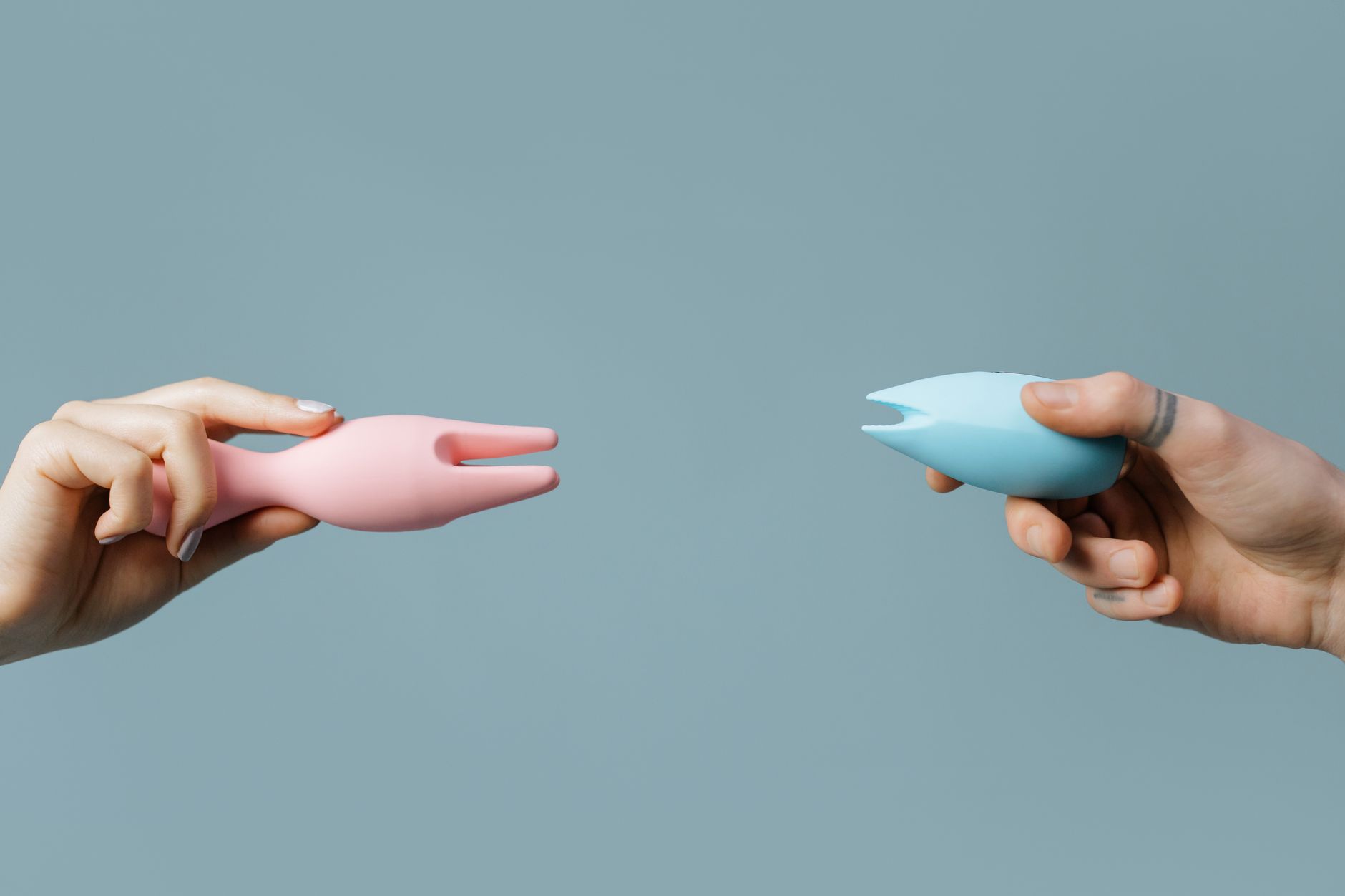
The texture, thickness, and glide of lube changes everything about how a lemon vibrator feels. Get this wrong, and even the best clitoral vibrator will feel like a chore.
Why heavy lubrication can actually work against you
Thick, creamy lubes do something counter-intuitive: they dampen sensation. When your skin is slicked up with a heavy gel, the vibrations from a clitoral vibrator have to travel through that barrier of fluid. It's like trying to feel someone's touch through a wetsuit. The signal gets muted.
Lemon vibrators and other suction toys are different from traditional vibrators. They work by creating gentle suction and pulsing stimulation, not by grinding or thrusting. With less mechanical friction happening, you actually need less lube to glide smoothly. In fact, most people find that a thin layer is ideal. Too much, and the suction literally can't seal properly.
Here's what's weird: many of us learned that "more lube equals better sex," which is true for penetration. Not true for clitoral toys. More lube with a lemon vibrator often means worse sensation and a less satisfying experience.
The lube types that work (and which ones might feel like too much)
Water-based lubes are the standard recommendation for a reason. They wash off easily, they're compatible with all toy materials, and they feel lighter than most alternatives. But "water-based" is a spectrum.
Some water-based lubes are thin and watery. Others are thick and goopy. Brands like Sliquid feel like silk on skin. Brands like Astroglide feel heavy and sticky. If a water-based lube has left you cold, try a different brand before you write off the category entirely.
Silicone-based lubes feel like luxury. They're rich, they last longer, and many people find they feel more natural. The downside: they will damage silicone toys, and they're harder to wash off. If you're using lemon vibrators, you need to know your toy material. If it's silicone, silicone lube is off the table.
Hybrid lubes (water and silicone mix) split the difference. They feel better than most water-based options and they're toy-safe. They do tend to feel a bit thicker, though.
Natural and organic lubes often have botanical oils that make them feel lighter and smell better. Some people swear by these. Others find they stain sheets or leave a residue. It's worth a small bottle to test.
The "less is more" approach for clitoral vibrators
If heavy lube is your problem, try this: use about a pea-sized amount. Seriously. That small.
Apply it directly to the toy, not your body. Let it warm up for a few seconds on the skin, then start with the toy. You can always add more if it dries out. Starting with too much lube means you're committed to that thickness for the whole session.
For lemon vibrators specifically, the suction design means you want just enough glide that it feels smooth, not slippery. Some people find that a quick lick works better than any bottled lube. Your saliva is actually ideal for clitoral toys because it's thin, it's naturally there, and it dries at a rate that keeps the sensation constant.
Is that weird? Maybe. But it works, and it's free.
When you might need a tiny bit more
If your tissue is naturally dry (either from hormones, medications, or just how your body is built), you'll need more lube than someone with naturally higher lubrication. The goal is just enough that the toy glides without friction, not a slick layer.
If you're using lemon vibrators for longer sessions, lube will gradually dry out. This is normal. Reapply a tiny amount when you notice the glide getting sticky. This is actually good: it means you're using the right amount, not too much.
If you're using multiple toys in one session, or if your partner is involved, you might want slightly more lube. Just remember: you can always add more, but you can't remove it once it's on your skin.
Testing without wasting money
Lube is expensive, and buying a full-size bottle of something that doesn't work for you is frustrating. Most sex shops and online retailers sell sample packs with five or six different formulas in small bottles. This is the move.
Test one lube at a time, in isolation. Use only that lube for a full week if possible. You need multiple sessions to know if it truly works for you or if you just got lucky on day one.
Notice: Does it feel heavy or light? Does it stay where you put it or migrate everywhere? Does it dry out fast or last the whole session? Does it feel good on your hands and body, or only okay? Does it stain fabric?
The right lube should feel like it's barely there.
The conversation with your partner (if you have one)
If your partner is involved in using lemon clitoral vibrators with you, they need to understand that your lube preferences might be different than what they're used to. Heavy lube feels great for some kinds of sex. It might feel wrong for this.
Partners sometimes interpret "I want less lube" as "I don't want this," which is not what you're saying. You're saying you want a different texture, a lighter glide, more sensation. That's actually you wanting more, not less.
Say it directly: "I want to try this with barely any lube." Then show them what you mean. Make it collaborative. If they're going to apply lube, let them practice first so they get the pea-sized-amount thing.
When to consider lube alternatives entirely
Some people never find a bottled lube that feels good. Your body just doesn't vibe with commercial formulas. That's fine. You have options.
Saliva is genuinely effective for clitoral toys. It's free, it's always available, and your body knows how to make it in the right amount.
Natural vaginal lubrication (if your body makes it) is the gold standard. If you're struggling to get aroused enough to generate it, that's a different problem, and it might be worth talking to someone about. But if arousal isn't the issue and lube just feels wrong, you can skip it with many toys.
Lemon vibrators and other suction toys are actually more forgiving than you'd think. They don't require friction the way traditional vibrators do. You might be surprised how good they feel with zero added lube.
The bottom line
Heavy lubrication is not a feature. It's a distraction. If lube is making your experience worse instead of better, you're allowed to use less of it, try a different formula, or skip it entirely. Your pleasure is not negotiable, and neither is the texture that makes it possible.
Start with less. Add more if you need it. Notice what your body actually wants instead of what you think you're supposed to want. That's the whole game.
People also ask
Can I use a lemon vibrator without any lubrication at all?
Absolutely. Lemon vibrators use suction and pulsing, not friction, so they don't require lube the way traditional vibrators do. If your body produces its own natural lubrication and you're aroused, you might not need anything added. Some people find that zero lube gives them the best sensation. Start without it and add some only if the toy feels dry or uncomfortable.
What's the best lubricant for lemon clitoral vibrators?
For most people, a thin water-based lube works best because it feels light and won't muffle sensation. Brands with lighter formulas like Sliquid are popular. If you're sensitive to water-based products, a hybrid lube is worth trying. Avoid thick, creamy lubes that can dampen the vibration. The key is less volume, not a specific brand. A pea-sized amount is usually plenty.
Does silicone lube damage lemon vibrators?
It depends on what your toy is made of. If your lemon vibrator is silicone, silicone lube will degrade it over time. If your toy is made of glass, stainless steel, or plastic, silicone lube is fine. Check your toy's material before you buy lube. When in doubt, stick with water-based, which is safe for everything.
Why does lube make sensation worse instead of better?
Thick lube acts as a barrier between your skin and the toy's vibrations. When there's too much, the sensations get muted. This is especially true for clitoral toys that rely on suction and precise stimulation. You need just enough glide to be comfortable, not a thick layer. Less lube usually means more feeling.
Can I make my own lubricant instead of buying it?
Yes, though homemade options have limits. Coconut oil feels good but it's not water-soluble, so it can stain sheets and damage latex or silicone toys. Aloe vera gel is water-based and works in a pinch. Saliva is actually ideal for clitoral toys because it's thin, it's made by your body, and it dries at a natural rate. For anything beyond quick testing, a commercial lube is worth the investment.
How do I know if a lube is safe for my toy?
Check the toy's material first. If it's silicone, use only water-based or hybrid lubes. If it's glass, stainless steel, or plastic, any lube type is safe. Most lube bottles tell you what's compatible. When you buy a lemon vibrator, the instructions usually specify. If you can't find the info, assume water-based is safe for everything.
Ready to explore
Lubrication is one piece of pleasure, and it matters. But it's not the only piece. If heavy lube has been making your experience worse, permission granted to use less, switch formulas, or abandon it entirely.
Your comfort and sensation come first. Everything else is just details.
Questions about what works for your body? Get in touch with us.