Let's talk about what distance actually does
Time apart doesn't kill desire. But it does something more complicated. It freezes the rhythm you built together. When you're reunited, your bodies don't remember that rhythm immediately, and your brain is hyperaware of the gap. That awkwardness is real, and naming it is the first step past it.
What most couples don't expect: the vulnerability required to reconnect is sometimes harder than the physical gap itself. You've both changed a little. Your touch might feel unfamiliar. The pressure to make the reunion "hot" can actually create tension instead.
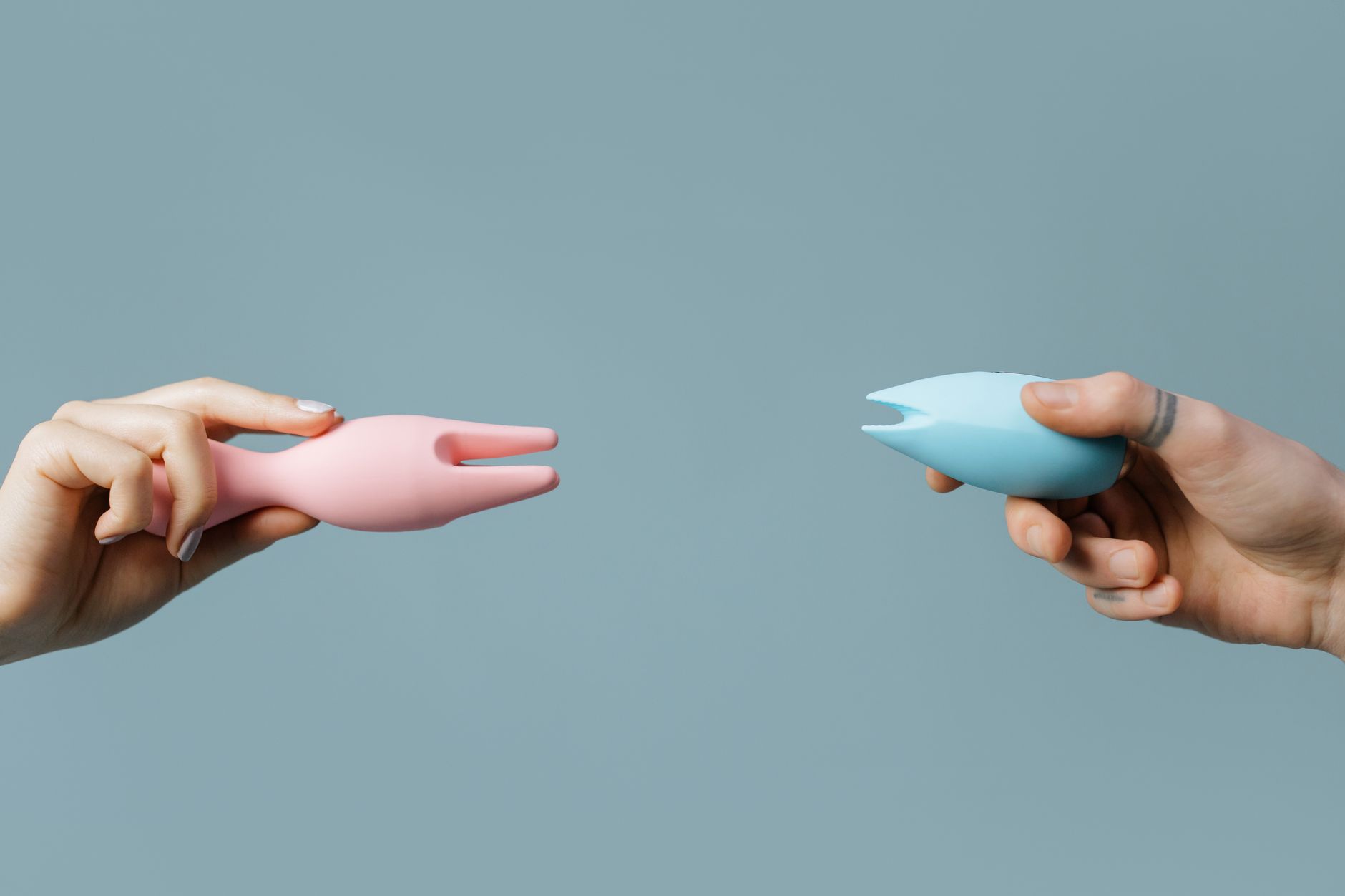
Lemon clitoral vibrators work beautifully here because they shift the focus from performance back to sensation. They give you both permission to slow down and rebuild trust through pleasure, not through pressure.
Why reconnection feels different physically
When you've been apart for weeks or months, your nervous system has adjusted to solo touch or no touch at all. Suddenly reintroducing a partner's touch can feel startling. The clitoris is incredibly sensitive to psychological state. Stress, anticipation, and even joy can shift how responsive you are. This is neurological, not personal.
Muscle memory fades. The pelvic floor tightens without regular use, which can make penetration feel tighter or less comfortable. Arousal takes longer to build after a long break because your body hasn't practiced that pathway in a while. All of this is fixable, but only if you're patient with yourself.
Here's what helps: lemon sexual toys designed for couples work because they don't require your body to perform the same way penetration does. A lemon clitoral vibrator lets you focus on sensation first, reconnection second. Your nervous system relaxes when pleasure is guaranteed rather than earned.
The emotional reset you need
Distance creates stories. Maybe you worried they'd moved on. Maybe you felt lonely. Maybe reconnection has been built up so much in your head that the reality feels anticlimactic. These feelings live in the same nervous system that controls arousal. You can't compartmentalize them.
Before you get physical, name the time apart. Not in a heavy conversation necessarily. Just acknowledge it. "I missed you. This feels different." When your partner knows you're aware the dynamic has shifted, there's no pretending. Pretending is the enemy of genuine reconnection.
Then, take the pressure off the first encounter. If you're using lemon adult toys or any toy, frame it as exploration, not as fixing a problem. "Let's try this together" is very different from "maybe this will help." The first invites play. The second implies something's broken.
How to actually use lemon vibrators when reconnecting
Start with conversation, not touch. Tell your partner what you've thought about during the time apart. What you missed about their body, their touch, their presence. This primes the nervous system for pleasure.
When you do get physical, slow down radically. Most reunions feel rushed because couples are trying to compress all that time into one encounter. Your body needs time to remember. Lemon clitoral vibrators are perfect for this because you can use them during foreplay, not as a replacement for all contact.
Here's a practical sequence:
Start with kissing and touching with no toys. Ten minutes minimum. Your nervous system needs to recognize this is safe and welcome. Then introduce the lemon vibrator as part of foreplay, not as the main event. Your partner can hold it, or you can. The point is you're both participating in the decision. That shared choice is what rebuilds trust.
Use it at lower intensities first. Your clitoris has muscle memory too. Starting at pattern one and building up takes pressure off both of you to perform.
Let your partner watch, touch you elsewhere, or even just be present. The psychology of being seen while you're vulnerable is powerful. It's the opposite of hiding. It says "I trust you enough to let you see me like this."
What to do if it still feels awkward
It probably will, at least a little. Awkwardness doesn't mean something's wrong. It means you're trying something new together. That's actually intimate.
If arousal is slower than you expected, that's normal after a gap. Don't interpret it as waning desire. It's your nervous system being cautious. Lube helps. Patience helps more. Lemon adult toys help because they bypass some of the pressure. You don't need him to do the work. You're building sensation together, differently.
If your partner feels awkward watching or participating, that's a conversation starter. Maybe they need reassurance that this isn't because anything's wrong. Maybe they need permission to ask questions. Maybe they just need time. All of this is fine.
The goal isn't to recreate what you had before. It's to build something that honors who you both are now, after the distance.
Using lemon sexual toys as a bridge, not a crutch
Lemon clitoral vibrators work best when they're part of a larger conversation about pleasure, not substitutes for vulnerability. If you're using a toy to avoid talking about the disconnect, it won't help. If you're using it to rebuild trust and sensation, it's a brilliant tool.
The science backs this up. Couples who introduce toys together report higher relationship satisfaction, not lower. The toy itself is less important than the collaboration and communication it requires. When you're choosing to try something new as a team, you're already rebuilding connection.
Reconnection isn't about returning to the past. It's about meeting your partner in the present and deciding you want the future together.
When to see a therapist, not a toy
If distance has revealed a deeper disconnection, a toy won't fix it. If you're using it because you're afraid to talk about what changed, that's a sign to seek professional support. A relationship coach or couples therapist can help you navigate the bigger questions beneath the physical gap.
If physical pain appears during reconnection, get it checked out. New or returning pain deserves medical attention, not just toy adjustment.
But if you're both willing and just need a tool to rebuild sensation and trust, a lemon vibrator paired with patience and honesty can be exactly what you need.
The real work is the conversation
Lemon sexual toys are tools. The real reconnection happens in how you talk about desire, vulnerability, and what you both need. After distance, that conversation might feel risky. You've both changed. What if they've changed too much? What if the gap revealed incompatibility?
Those questions deserve real answers, not toys that distract from them. But once you've had those conversations and decided you want to rebuild, toys help you do it with less pressure and more pleasure.
Start small. Use a lemon clitoral vibrator at a low intensity while you're still mostly clothed, just exploring. Let the conversation continue. Vulnerability builds slowly. Trust rebuilds one touch at a time. And reconnection, done right, is often better than what you had before the distance because you chose it consciously.
FAQ: Reconnecting After Time Apart
How long should we wait before using a toy after getting back together?
There's no timeline. Wait until you've had at least one real conversation about how the distance affected you both. Then wait until you both feel genuinely interested, not obligated. If using a lemon vibrator feels like pressure, you're not ready. When it feels like an invitation, you probably are.
What if my partner feels threatened by introducing a toy?
This is about safety and ego, not about the toy itself. Your partner might worry a toy means you're not satisfied, or that they're being replaced. Have that conversation directly. A lemon clitoral vibrator isn't a replacement for their touch. It's an addition that lets you both explore sensation together without the pressure of him providing all of it. Frame it as something you want to try together, not something you need because he's not enough.
Should we use a toy during penetration or before?
Both work. Before is usually easier after a gap because it primes your nervous system for pleasure and takes pressure off the rest of the encounter. During can work beautifully too, but it requires more coordination and comfort with vulnerability. Start before and see where the conversation goes.
What if we use the lemon vibrator and it still feels disconnected?
A toy reveals what's already there. If you're disconnected, the vibrator will show that, not hide it. That's actually useful information. It means you need to talk about what's beneath the physical gap. Maybe distance revealed incompatibility. Maybe you both need more time. Maybe you need professional help rebuilding trust. Trust the signal.
Can using a toy together actually strengthen our relationship?
Yes, research on couples who introduce toys shows higher reported satisfaction and communication. The act of choosing something together, discussing what you both want, and giving each other permission to explore builds intimacy. The toy is secondary to that process. The real work is the conversation and vulnerability.
How do we make using a lemon vibrator feel natural, not clinical?
Because it's not clinical when you're relaxed. Don't schedule it or make it feel like a task. Introduce it during a moment when you're already kissing and touching. Your partner might be holding you, and you mention wanting to try it. Then ask if they want to participate or just watch. The casualness matters. It signals this is pleasure, not performance. Keep the lights on if you both want to. Make jokes if you feel like it. The best reunions include laughter because you're not taking yourselves too seriously.
References
- Gottman, J. M. (2011). The Science of Trust: Emotional Attunement for Couples. W. W. Norton & Company. On conflict resolution and emotional reconnection in long-distance relationships.
- Meston, C. M. & Frohlich, P. F. (2000). The neurobiology of sexual function. Archives of General Psychiatry, 57(11), 1012-1030. On arousal pathways and nervous system response after physical separation.
- Rubinstein, G., & Hass, S. (1991). The Relationship Between Psychological Defense Mechanisms and Sexuality. Journal of Nervous and Mental Disease, 179(9), 545-549. On vulnerability and sexual reconnection in committed relationships.