Let's talk about what actually happens when you stop hormonal birth control
Your body has been operating under a very specific chemical blueprint for months or years. The moment you stop taking the pill, patch, or ring, your brain starts producing hormones it's been suppressing. This doesn't happen overnight. It's a gradual recalibration that can take three to six months, sometimes longer.
During this time, your sensation changes. Your arousal patterns shift. Your orgasms might feel different. You're not broken, and you're not alone. This is textbook hormonal recovery, and it's exactly where lemon vibrators become genuinely useful.
What hormonally driven sensation loss actually feels like
Most people on hormonal birth control experience some degree of reduced sexual sensitivity. Estrogen and testosterone both influence blood flow to the clitoris, nerve sensitivity, and how quickly arousal builds. The pill (and similar methods) suppress both, which means your clitoris has been operating on a dimmer switch for a while.
When you quit, that dimmer switch doesn't snap back to full brightness immediately. Your body needs time to remember how to produce the right hormone levels at the right times. In the meantime, you might notice that sensation feels muted, delayed, or unpredictable. Some days your clitoris feels responsive. Other days, touch feels almost numb.
This is not psychological. This is physiology in transition.
Why clitoral vibrators are the perfect tool during this phase
Lemon vibrators work differently than fingers or other stimulation because they provide consistent, sustained pressure that bypasses some of the sensitivity variability. When your nerve endings are recalibrating, inconsistent stimulation can feel frustrating or ineffective. A vibrator maintains the same frequency and intensity, which helps your nervous system build reliable pathways again.
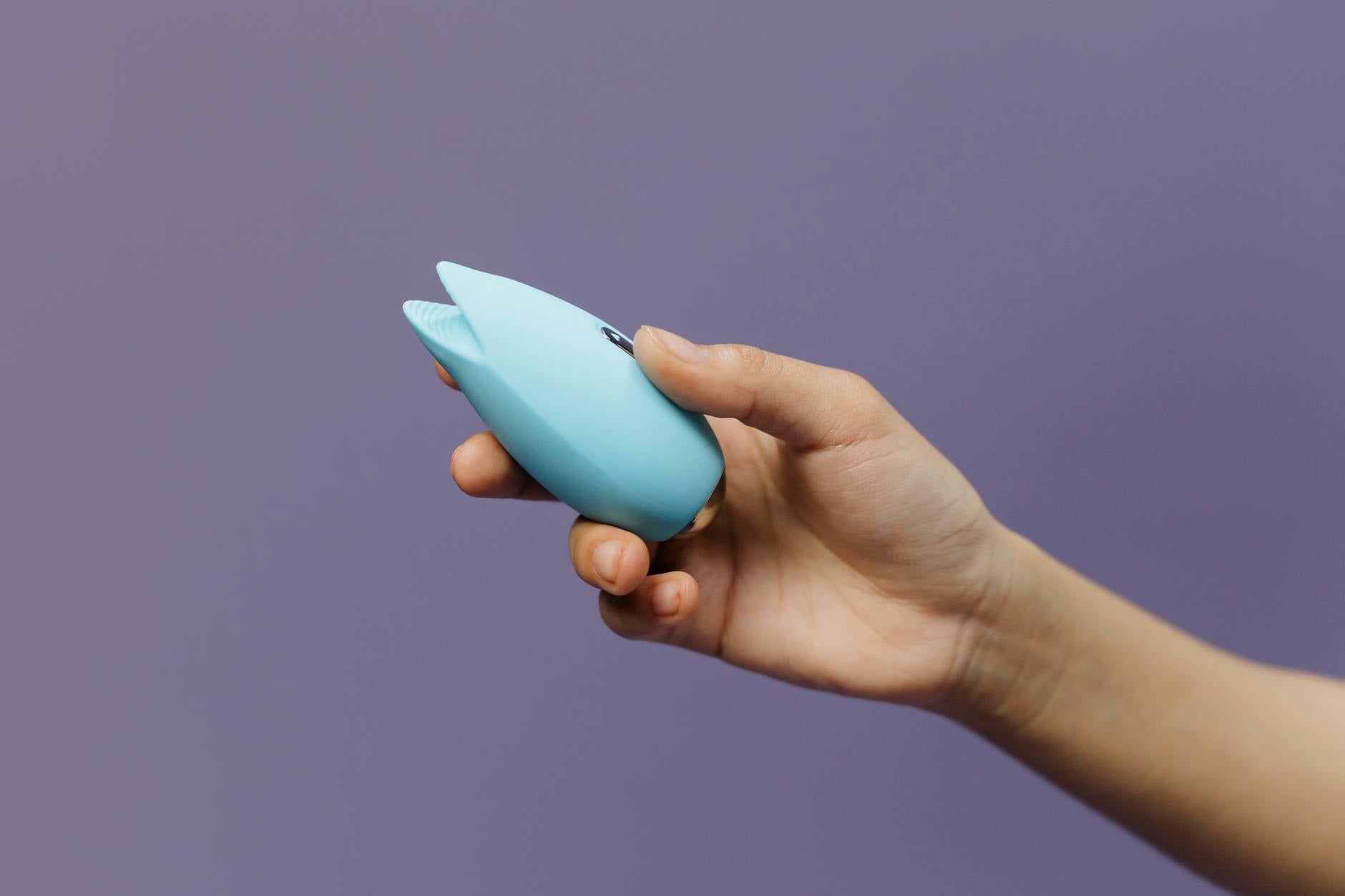
The suction-based design of Lemon Suction products like the Lem vibrator is especially useful here. Suction stimulates a wider network of nerve endings without requiring the direct friction that can feel too intense on tissue that's still regaining sensitivity. You're essentially working with your body's healing process rather than fighting against variable sensation.
Timing your use for hormone-aware pleasure
Once you stop hormonal birth control, your cycle typically starts up again within a few weeks. This matters for pleasure because your sensitivity naturally fluctuates across your cycle.
In the follicular phase (before ovulation), when estrogen is rising, your clitoris becomes increasingly engorged and sensitive. This is often when vibrators feel best. You might want longer sessions, higher intensities, and more direct stimulation. In the luteal phase (after ovulation), when progesterone dominates, sensation often feels less acute. This is the phase where slower speeds, longer warm-up time, and a wider approach to pleasure often works better.
Tracking these patterns for the first two or three cycles after stopping birth control helps you understand your own body again. It also removes the guesswork. If orgasms feel harder to reach mid-cycle, you're not doing anything wrong. Your hormones are just doing their job.
Three practical adjustments for post-birth-control recovery
Start slow with intensity. Your first few weeks back to a natural cycle, begin at lower vibration patterns. Your nerve endings are waking up, and intensity can feel overwhelming or unpleasant if you rush it. Build up to higher speeds across a few sessions. This also helps your brain re-establish the arousal-to-orgasm pathway.
Warm up longer than you used to. Hormonal birth control flattens arousal time. You might be used to five-minute foreplay before everything clicks. Post-birth-control, budget 15-25 minutes of stimulation before you expect climax. This isn't a problem. It's your body being honest about what it actually needs now.
Use lube even if you don't think you need it. During the transition off hormonal birth control, vaginal lubrication can be unpredictable. Some days there's plenty. Other days, not much. Water-based lube removes that variable and makes every session more comfortable. It also increases sensation because friction is lower and movement is smoother.
The emotional layer of hormonal recovery
Here's what often gets missed in this conversation: your mood, desire, and relationship dynamics are shifting too. Hormonal birth control doesn't just suppress ovulation. It suppresses some aspects of libido while often increasing others. When you quit, you're not just getting back your body. You're getting back emotional reactions that might feel unfamiliar.
Some people experience increased libido immediately. Others find that desire returns more slowly, alongside mood swings, energy shifts, or unexpected emotional intensity. This can feel strange in a partnership. Your partner might notice you're more irritable mid-cycle, or that you want sex more frequently, or that your preferences have changed.
Introducing vibrators into this transition can actually help conversations. When you're using a clitoral vibrator, the focus shifts from your partner's performance or your perceived inadequacy to your own body's actual needs. That's clarifying. It's also often the start of better sexual communication overall.
When to get help if recovery feels stuck
Most people regain their baseline sensation and arousal within three to six months of stopping birth control. Some take longer. But if you're eight months out and sensation still feels muted, or if pleasure feels completely absent, that's worth checking with a doctor.
Post-birth-control syndrome is real for some people, though it's not universally recognized by medical systems yet. Symptoms can include hormonal imbalance, lingering libido changes, mood shifts, or persistent sensation loss. A gynecologist or sexual health specialist can help you understand whether you need hormonal support, dietary changes, or other interventions.
In the meantime, tools like Lemon Suction vibrators aren't a fix. They're a way to stay connected to your body during the transition, to explore what's shifting, and to maintain pleasure while you're recalibrating. That matters.
Weaving vibrators into your recovery routine
Think of your post-birth-control recovery as a conversation with your body, not a race toward performance. Some weeks you might use a vibrator three times. Other weeks, once. Both are fine. The goal isn't frequent orgasm. It's reconnection.
Many people find that solo exploration with a clitoral vibrator during this transition period teaches them more about their own pleasure than years on hormonal birth control did. You learn what speeds feel good at different times. You notice how your body responds to touch across your cycle. You build confidence in your own sensation again.
If you're partnered, this solo work often translates directly into better partnered sex. You know what you need now. You can communicate it. And your partner isn't guessing or apologizing for something that's actually just your body recalibrating.
FAQ: Lemon vibrators and post-birth-control recovery
How long does it take for sensation to return after stopping hormonal birth control?
Most people notice gradual changes within four to six weeks as their natural hormone cycle restarts. Full recalibration typically takes two to three months, though for some it's longer. Sensation doesn't all come back at once. You might notice your clitoris feeling more responsive in certain phases of your cycle before others. This is normal.
Can I use a clitoral vibrator like the Lem vibrator right away after stopping birth control?
Yes, but start gently. Your body is adjusting, so begin with lower vibration patterns and shorter sessions. This gives your nervous system time to recalibrate without overwhelming sensitive tissue. You can gradually increase intensity as sensation normalizes.
Will using a vibrator help my body recover faster from hormonal changes?
Vibrators don't speed up hormonal recovery itself. But they do help you stay connected to your pleasure during the transition, reduce frustration about variable sensation, and maintain sexual response during a time when it might feel unpredictable. They're a support tool, not a treatment.
Should I cycle off using my vibrator to match my menstrual cycle?
You don't have to, but some people find it helpful. During the follicular phase (higher estrogen), many people enjoy more intense vibration and longer sessions. During the luteal phase, gentler stimulation often feels better. Experiment and notice what your body actually prefers at different times.
What if I'm in a relationship and my partner feels threatened by my using a vibrator during this transition?
This is a conversation worth having early. Vibrators aren't about replacement. They're about understanding your body during a time of change. Lemon Suction vibrators can actually become part of partnered sex too. Many couples find that exploring together, with the vibrator present, strengthens connection during hormonal transitions.
Is reduced sensation permanent, or will everything go back to normal?
For most people, sensation does return to baseline within a few months. The timeline varies. Factors like how long you were on birth control, your overall health, stress levels, and whether you're in a stable relationship all influence recovery. If sensation hasn't improved significantly by six months, talk to your doctor.
Your body is just recalibrating
Coming off hormonal birth control is not a failure of your body. It's your body finally expressing its own preferences again. That transition period, while sometimes confusing or frustrating, is actually an opportunity. You get to learn yourself again. You get to discover what sensation actually feels like when it's not being chemically suppressed.
Lemon vibrators are just one tool for that conversation. But they're a good one. They give you a way to stay engaged with pleasure while your hormones are doing their job, and they give you information about what your body actually needs now that it's operating on its own chemistry again.