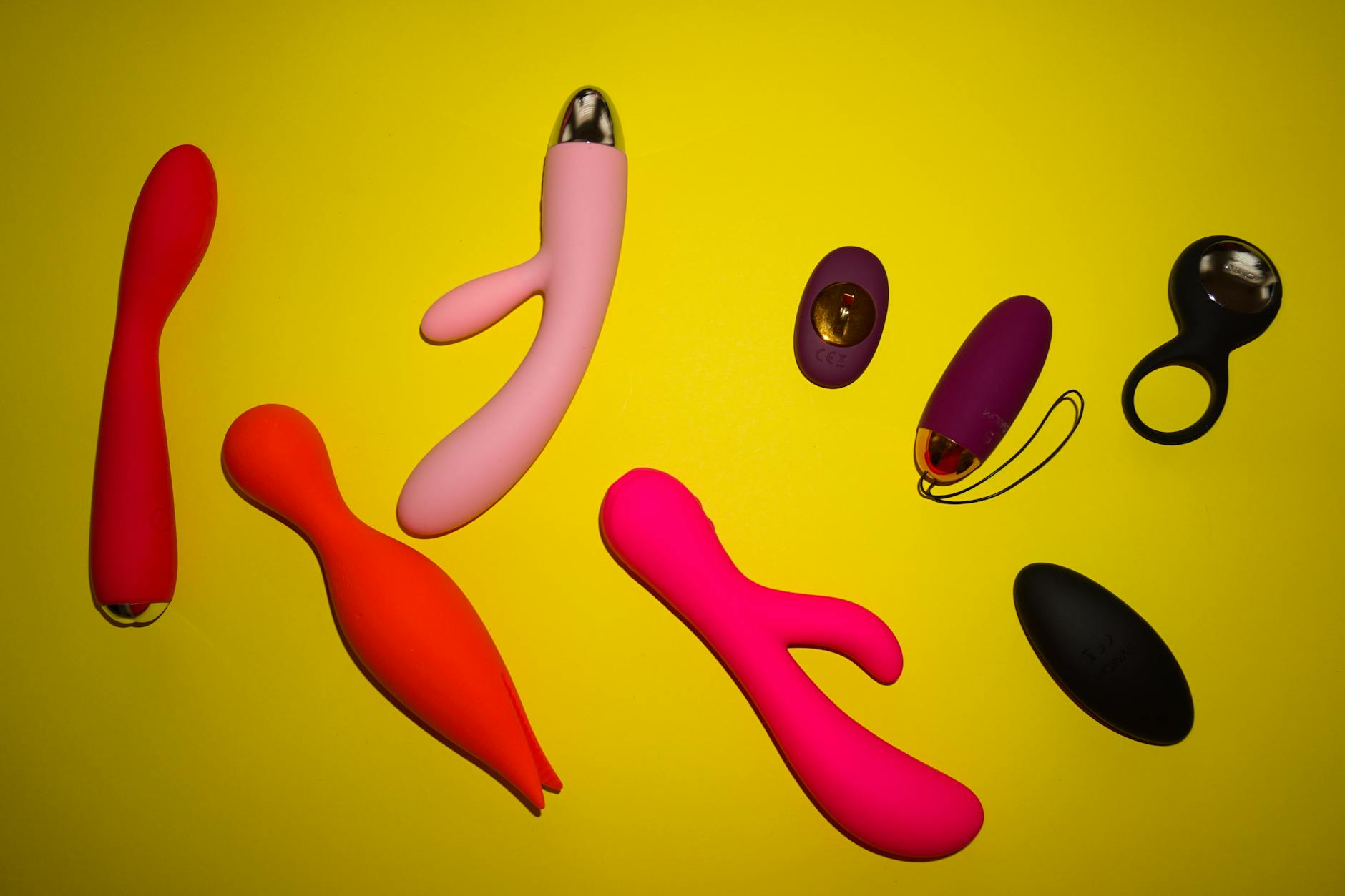
What actually happens to sensation when a long-term relationship shifts
After years with the same partner, pleasure can feel like it's moving through cotton. The same touch that once made you gasp feels like background noise. You're not losing your nerve endings. Your brain is.
This is called habituation. Touch that was once novel becomes predictable, and your nervous system literally stops firing as hard in response to it. Add in relationship tension, emotional distance, or the simple exhaustion of being known by someone for ten years, and you've got a perfect storm for sensation flattening.
Here's the part no one tells you: it's not a sign the relationship is ending. It's a sign that your body needs a different kind of input to wake up again.
Why familiar touch stops registering the same way
Your brain loves novelty. When touch is exactly the same, at the same rhythm, in the same pattern, your nervous system learns to tune it out. It's the same reason you stop noticing a recurring sound in your home, or your partner's cologne after the first month of dating.
When you've been with someone for years, another layer gets added: emotional context. If there's been conflict, periods of disconnection, or even just the dailyness of cohabitation, your body sometimes associates that touch with all of it. Not consciously. But neurologically. Your nervous system has learned that this touch doesn't always equal safety or presence, so it dampens the response.
Adding a clitoral vibrator into the mix breaks that pattern entirely. It introduces sensation that's not part of your learned history with that partner. It's novel. It's unpredictable in frequency and intensity. It wakes your nervous system back up.
How lemon vibrators specifically help reset sensation
A lemon clitoral vibrator works differently than hands or a penis. It uses consistent, rapid-fire stimulation that your body doesn't habituate to as quickly because the frequency is inhuman. You can't replicate it manually. That novelty is partly why it works.
Lemon vibrators also give you control. With a partner, there's always a negotiation happening, even wordlessly. You're tracking their arousal, their rhythm, their preferences. With a vibrator alone, or even with a partner holding it, you can focus entirely on what your own body is asking for. That mental shift alone often brings sensation roaring back.
The suction-based design of lemon products creates particularly intense stimulation because it's not just vibration. It's a pulling sensation that engages deeper nerve clusters. If sensation has been flattened by years of predictable touch, that intensity often feels revelatory.
The relationship dynamics piece (this matters more than you think)
Sensation flattening after relationship shifts isn't just physical. If your long-term partner has become less attentive, more critical, or distant, your body often mirrors that withdrawal. It's not punishment. It's self-protection. Your nervous system is saying: this touch doesn't feel safe right now, so I'm going to make it feel less.
Using a lemon vibrator during this time serves multiple purposes. First, it reminds your body what intense pleasure feels like when there's no performance pressure. You're not waiting for a partner to be satisfied. You're not tracking whether you're taking too long. You're just chasing your own sensation.
Second, it often gives you permission to want pleasure again. If the relationship is struggling, you might have unconsciously decided that wanting sex was unsafe or selfish. A vibrator gives you a way to reclaim that part of yourself without needing your partner's participation or approval.
Third, if the relationship is actually worth saving, your partner often notices. Not because they're watching you use it, but because you suddenly show up more present, more receptive, less resentful about sex. Pleasure is magnetic.
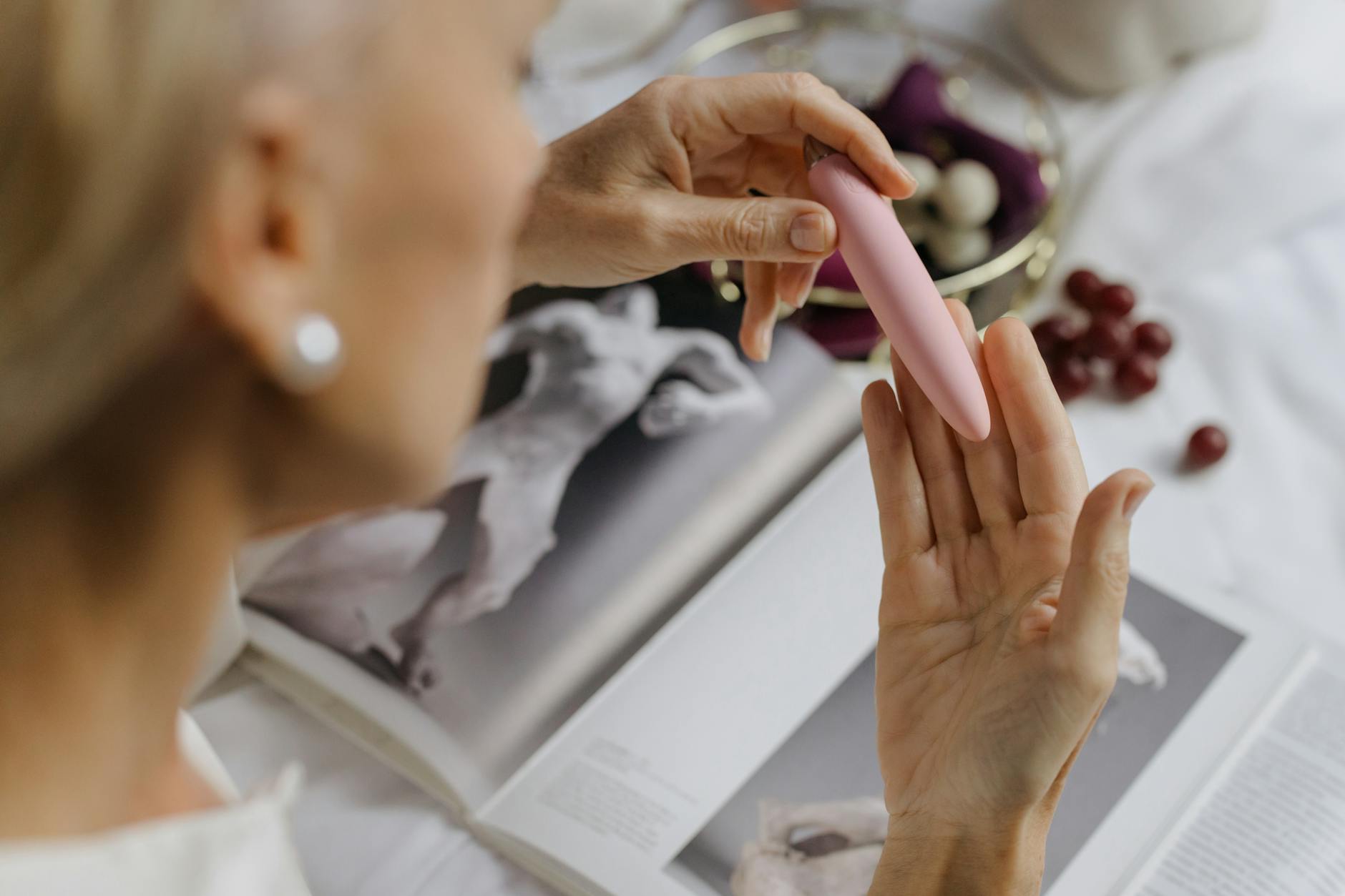
Photo by cottonbro studio on Pexels
Starting solo, then introducing it to partnered time
If sensation has been flatlined, the first step is usually to explore alone. This removes the layer of performance and lets your nervous system reset without an audience.
Use your lemon vibrator without expectation. No goal of orgasm, no timeline. Just sensation for its own sake. Start at lower intensity levels and work upward as your body wakes up. Many people find that after weeks of solo exploration, their capacity to feel returns.
Once you've reconnected with what intense sensation feels like in private, bringing a vibrator into partnered sex becomes different. You're not asking your partner to do something they can't. You're asking them to participate in your pleasure in a way that works for both of you.
Some partners find this threatening. That's a conversation worth having, honestly. If your long-term partner sees you using a lemon vibrator as a referendum on their skills, that's actually the real problem, not the vibrator. A therapist can help navigate that.
Other partners find it hot. They want to hold it, experiment with angles, see what makes you come alive again. That often reignites desire on both sides.
The practical setup that actually works
When sensation has been muted, you need the conditions to be right. A rushed ten-minute session before bed won't cut it. Your nervous system needs time to wake up.
Set aside twenty to thirty minutes. Silence, or music you love. No phone. No half-attention. This isn't a chore you're fitting into your schedule. This is reclaiming something that belongs to you.
Start with gentle stimulation. If your clitoris has been dormant, jumping straight to high intensity can feel overwhelming or numb. Use pattern one or two on your lemon vibrator. Let your body remember what sensitivity feels like.
Water-based lube helps, even though lemon vibrators don't require it the way external vibrators sometimes do. It reduces friction and lets you focus on the sensation rather than any discomfort.
If you're doing this with a partner, communicate about what you want them to do. Are they holding the vibrator? Touching you elsewhere? Just present? Being explicit about this removes ambiguity and helps you both feel less awkward.
When sensation stays muted even with the vibrator
If you're using a lemon clitoral vibrator consistently for several weeks and sensation still isn't returning, something else might be at play.
Depression is a major culprit. Antidepressants, especially SSRIs, can flatten sensation as a side effect. If you're on medication, this might be worth discussing with your prescriber. Sometimes a dose adjustment or switch helps. If you've been struggling with low mood since your relationship shifted, addressing that directly often brings sensation back faster than any vibrator will.
Truama or past relational wounds sometimes show up as sensation loss when a current relationship feels unstable. If you find yourself numb, it might be worth talking to a therapist, not just trying harder with the vibrator.
Physical factors matter too. Hormonal shifts, blood pressure medication, even sleep deprivation can muffle sensation. A full picture helps more than a quick fix.
The real work: reconnecting to your body, not just your partner
When sensation flattens after years with the same person, it's often a sign that you've been putting your pleasure lower on the priority list. That happens gradually. You get busier. The relationship becomes more functional. Sex becomes a checkbox rather than a conversation.
A lemon vibrator is the tool that interrupts that pattern. But the actual work is deciding that your pleasure matters enough to claim time and space for it.
That might mean using it alone. It might mean asking your partner to slow down and pay attention again. It might mean having a hard conversation about whether this relationship is still meeting your needs. It might mean all three.
What it almost always means is this: sensation doesn't return until you decide that it's worth the effort to wake it back up.
FAQ: Common questions about sensation changes and vibrators
Why does familiar touch stop feeling pleasurable in long-term relationships?
Your nervous system is designed to notice novelty and ignore repetition. It's a survival mechanism. After years with the same partner, touch becomes predictable, and your brain literally stops firing as intensely in response to it. Add emotional distance or relationship tension, and your body actually learns to dampen the signal because it's trying to protect you. This is neurological, not a reflection of your feelings for your partner.
Can a lemon vibrator actually fix relationship problems?
No. A vibrator is a tool that helps you reclaim sensation and pleasure, which often improves how you show up in a relationship. But if the core relationship is broken, a vibrator won't fix that. What it can do is help you figure out whether the flatness is purely physical habituation or a sign that something deeper is wrong. Sometimes that clarity is what you need to decide whether to repair the relationship or move on.
How long does it take for sensation to return?
This varies wildly. Some people feel a difference within one or two sessions. Others take weeks of consistent use before sensation really comes back online. If you've been numb for months or years, your body might need more time to remember. Be patient with yourself. Consistent, pressure-free exploration works better than occasional intense sessions.
Should I tell my partner I'm using a vibrator?
That depends on your relationship and what feels safe. If you share a bed and they're likely to find it, transparency saves awkwardness. If you have privacy and trust, it's your choice. What matters is that you're not hiding it out of shame. If the idea of your partner knowing makes you anxious, that anxiety is worth exploring. Either with them or with a therapist.
Can I use a lemon vibrator during sex with my partner?
Absolutely. Many couples incorporate vibrators into partnered sex, especially when sensation has been muted or when penetration alone isn't enough for orgasm. The key is talking about it beforehand so there are no surprises. Some partners love holding it. Others feel more comfortable if you do. Both are normal.
What if nothing works and sensation stays flat?
If you've been using a lemon clitoral vibrator consistently for several weeks, have addressed relationship issues, and sensation still hasn't returned, see a doctor or sex therapist. Numbing can sometimes indicate depression, medication side effects, hormonal changes, or trauma responses that need professional support. A vibrator is a tool, not a cure-all. Sometimes you need actual help.
What comes next
Sensation doesn't return because you deserve it. It returns because you decide that your pleasure is worth the time and attention it requires. A lemon vibrator is the permission slip. The rest is showing up for yourself.
If you're ready to explore this more, whether alone or with a partner, that matters. Your body is waiting for you to pay attention again. Start there.