Let's talk about what nobody tells you
When a long relationship ends, pleasure often ends with it. Not because you don't want it anymore, but because pleasure was tied to that relationship, that body, that person. Your own solo pleasure might feel weird now. Selfish. Like moving on too fast. Or it might feel impossible to access at all.
This is normal. And it's also fixable.
Using lemon vibrators or any clitoral vibrator after a breakup isn't about jumping back into sex. It's about rebuilding your relationship with your own body, which is something entirely different. That matters.
Why solo pleasure feels harder after loss
When you've spent years, sometimes decades, in a partnership, your nervous system gets used to pleasure as a shared event. Your brain learned that arousal means connection, intimacy, vulnerability with another person. When that person is gone, your body doesn't automatically separate "I want pleasure" from "I want them."
There's also grief wrapped up in it. Your body reminds you that this was something you shared. And that can feel like betrayal. Like you're choosing yourself over the memory of them. Which, by the way, you are. But choosing yourself isn't wrong.
Another piece: if the relationship ended badly, your body might have shutdown defensively. Desire disappears when we've been hurt. Touch becomes scary. Even your own touch can feel unsafe if you've learned to protect yourself.
That protective shutdown is smart. But you're allowed to slowly, gently, get curious about opening back up.
The first step is permission, not pressure
Before you even think about using a lemon vibrator or any clitoral vibrator, you need to actually give yourself permission to explore solo pleasure without guilt. That sounds simple. It's not.
Say it out loud if you need to: "My pleasure belongs to me. Touching myself is an act of self-care, not a betrayal of my past relationship."
I know that sounds like therapy-speak. But neuroscience backs it up. Your brain can't relax into pleasure while you're simultaneously telling yourself you shouldn't be doing this. The guilt chemicals override the pleasure chemicals every time.
So first step is real: permission. Not as a concept, but as something you actively grant yourself.
Starting with touch before tools
If you're truly starting from scratch after a long relationship, I recommend spending 2-3 weeks on solo touch before introducing any toy. Your fingers. Water. Time alone without agenda.
This isn't foreplay. This is reconnaissance. You're relearning what your body likes without the pressure of performance or the weight of someone else's expectations. Many people discover they like completely different sensations post-relationship than they did during it. That's actually exciting.
When you're ready to try a lemon clitoral vibrator or similar tool, start in a comfortable, private space where you genuinely have no pressure to achieve anything. Not even an orgasm. Especially not an orgasm.

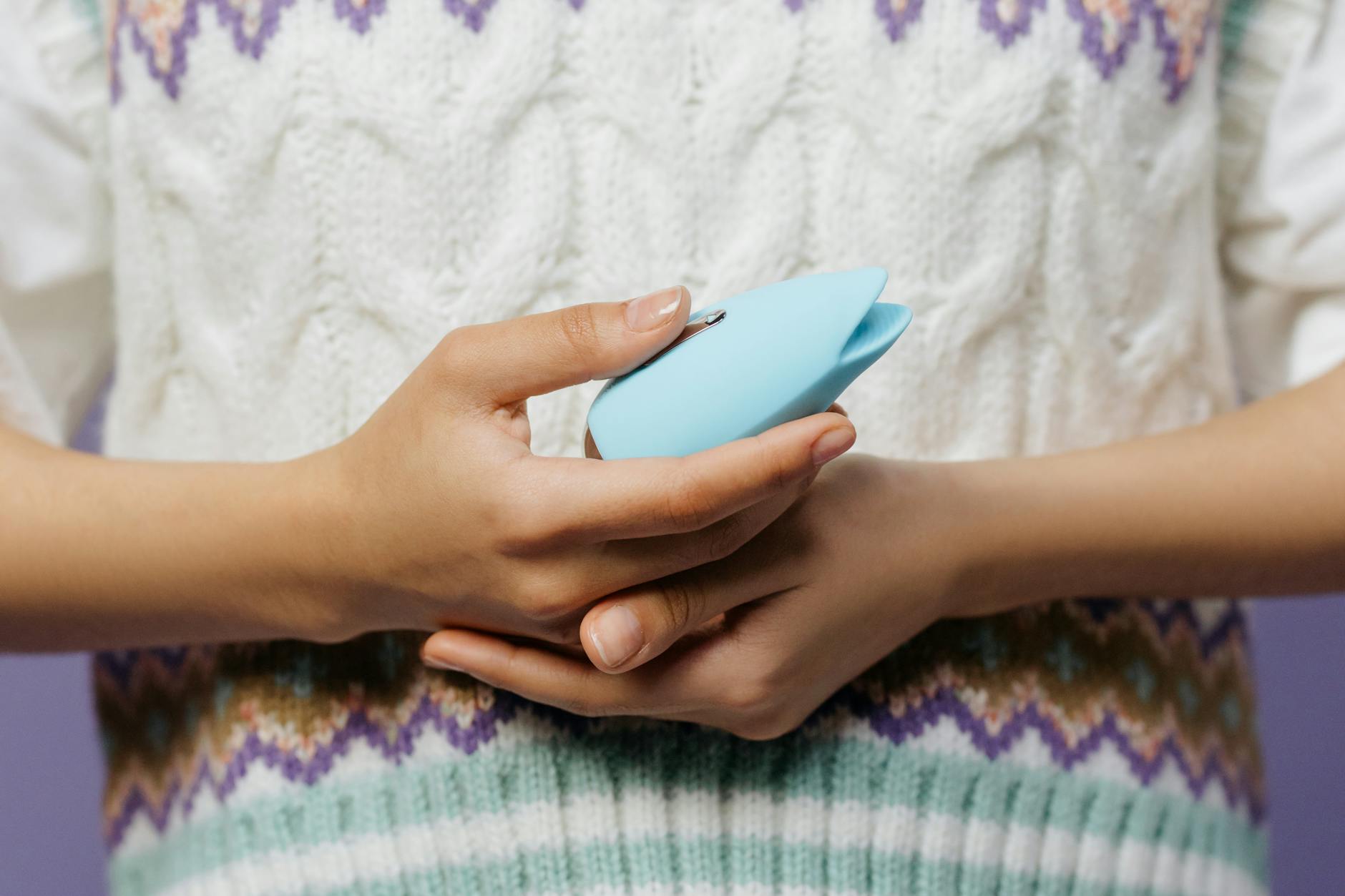
Photo by cottonbro studio on Pexels
How lemon vibrators work for solo rediscovery
Lemon vibrators, specifically, are built for precision. The suction-based design means you're getting focused stimulation without the broad pressure of a traditional vibrator. For people rebuilding their pleasure response, this can actually be ideal.
Here's why: you're not trying to have an orgasm yet. You're trying to feel sensation and reconnect with your body without judgment. Suction-based clitoral vibrators like the Lemon give you that focused feedback. You can sense what's happening. It's not overwhelming.
Start at the lowest setting. You're not hunting for an orgasm. You're just noticing what feels interesting, neutral, or uncomfortable. Some people cry the first time they use a lemon vibrator after a breakup. That's not a sign something's wrong. That's grief moving through your body. Let it.
Managing the emotional stuff that shows up
Your body is smart. It stores memories. When you touch yourself again, all kinds of feelings might surface. Sadness. Anger. Loneliness. Relief. Guilt. They can all show up at once.
None of those feelings mean you're doing this wrong.
If you find yourself getting emotional while using a lemon sucker or any vibrator, pause. Breathe. You don't have to push through it. Sit with it for a minute. Sometimes the breakthrough comes after you acknowledge the grief, not by bypassing it.
Over time, as you repeat this practice, your nervous system learns that solo touch is safe and good. That you can trust yourself to care for your own pleasure. That's the real goal here. The orgasms, if they come, are a bonus.
The importance of going slow (seriously)
After a long relationship, there's often an urge to either rush back into everything or avoid pleasure entirely. Both extremes are understandable. Neither one actually helps.
Going slow means maybe you use a lemon clitoral vibrator once a week for the first month. Then twice a week. Then whenever you feel genuinely curious. Not following a timeline. Following your actual desire.
Some people rediscover orgasm within weeks. Others take months. Both timelines are fine. Your body's not broken. It's just processing loss and rebuilding trust.
Take a practical approach: set a realistic timeframe to check in with yourself. In a month, notice what's changed. In three months, notice again. You don't need to feel "healed" on any specific schedule.
Building a ritual around solo pleasure
One thing that helps a lot of people is making solo pleasure intentional and separate from daily life. Light a candle. Put your phone across the room. Maybe play music that doesn't remind you of your ex.
Creating a small ritual around using lemon vibrators or other clitoral vibrators signals to your brain that this is a sacred time for you. That your pleasure matters. That you're worth this time and attention.
Rituals work because they take the weirdness out of it. You're not sneaking around in your own life. You're carving out time for self-care. Which is exactly what this is.
When to reach out for support
If months go by and you're still feeling completely numb, or if pleasure brings only sadness with no shift toward curiosity or enjoyment, talking to a therapist might help. Sometimes grief gets stuck, and that's what professional support is for.
A relationship breakup can also trigger deeper stuff. Past trauma, attachment patterns, old wounds. Solo pleasure practice can bring those to the surface. That's not a sign to stop. It's information. And a therapist can help you work through it.
There's also the option of exploring pleasure in a slightly different way than you did in your relationship. If your ex only wanted penetrative sex, maybe you discover you love clitoral vibrators used solo. If you never had much foreplay time, maybe now you luxuriate in 20 minutes of slow exploration. This is your chance to design pleasure exactly how you want it.
Practical tips for using lemon vibrators solo
Start with the lowest setting. Your body has probably been in protection mode. Gentle introduction matters.
Use lube if your body needs it. Water-based if you're using silicone toys. It makes everything more comfortable and sends your nervous system the signal that this is meant to feel good.
Keep expectations flexible. Some days solo touch will feel amazing. Some days it will feel awkward or sad. That's all okay.
If using lemon vibrators brings up memories that hurt, that's information too. You might need to take a break and come back to it later. Or you might need to cry and then keep going. Trust yourself on that.
FAQ
Is it normal to feel guilty using lemon vibrators alone after a breakup?
Completely normal. Your brain is still processing the loss while your body is trying to heal. Guilt is grief wearing a different costume. Acknowledge it, then remind yourself that your pleasure is not a betrayal of your past. It's an act of reclamation.
How long before solo pleasure feels natural again?
That varies wildly. Some people feel comfortable in weeks. Others take months or longer. There's no timeline. The goal isn't speed. It's reconnection. Pay attention to small shifts. Maybe one week you feel slightly less numb. That's progress.
Can lemon clitoral vibrators help me orgasm again after a breakup?
They can help you reconnect with sensation and pleasure. Orgasms often follow once your nervous system feels safe again. But chasing the orgasm is actually the thing that prevents it. Focus on the sensations instead. Let the orgasm be a surprise, not the goal.
What if I feel nothing when I use a lemon sucker or vibrator?
Feeling nothing is also information. Your body might still be in shutdown mode, which is protective. That's not broken. Numbness can gradually soften with consistent, pressure-free exploration. If nothing shifts after several months, a therapist or sex therapist might help you understand what your nervous system needs.
Should I tell my friends or family that I'm using vibrators as part of my healing?
You don't owe anyone an explanation for your solo pleasure or your healing process. This is yours. That said, sometimes talking to a trusted friend helps normalize it and releases shame. The key is choosing someone who won't judge or make it weird. If you don't have that person, a therapist absolutely does.
Can using lemon vibrators help me trust myself again after infidelity or betrayal?
In some ways, yes. Solo pleasure practice rebuilds your relationship with your own body and your own desires, which is foundational to trust. But deeper trust work often requires professional support. A combination of solo exploration and therapy tends to work best.
The real work is learning you again
Using lemon vibrators or any clitoral vibrator after a long relationship is really about one thing: proving to yourself that you're worthy of your own touch, your own time, your own pleasure. That you matter. That what you want is valid even when no one else is in the room.
That rebuilding is slow and sometimes painful. And it's also how you step into the next chapter of your life, not as someone's partner, but as someone who knows and trusts themselves.
Your pleasure belongs to you. Always has. Now you're just learning what that feels like.