
Let's talk about the timing trap
There's a weird myth floating around that you have to wait months into a relationship before mentioning toys. That if you bring it up too early, your new partner will think you're weird, too experienced, or somehow damaged. Spoiler: this myth is costing you months of pleasure that you could be having right now.
Here's the actual truth. People who are good communicators and emotionally healthy actually respect the directness. Bringing up toys early signals that you're someone who knows what you want and isn't ashamed of pleasure. That's attractive.
Why new relationships are the perfect time
Three things shift when you're in the opening phase of dating.
First, you're both still in the discovery phase anyway. You're learning each other's bodies, preferences, and boundaries. Introducing toys feels like a natural extension of that exploration, not some weird curveball three years in.
Second, early relationships have less baggage. You haven't yet built up years of patterns, assumptions, or unspoken rules about what sex should look like. That clean slate is a gift. You can establish from the start that pleasure is collaborative and creative.
Third, new partners are often relieved. Many people show up to relationships worried they'll never be able to fully express what turns them on. When you normalize toys early, you're actually giving them permission to be honest too.
The conversation starter that actually works
Forget the rehearsed lead-in. Don't wait for the perfect moment. Pick a normal Tuesday and say something like: "I really enjoy using toys during sex, and I'd love for us to explore that together at some point. Would that be something you're open to?"
That's it. You're not asking permission. You're stating a fact about yourself and inviting them into it. The difference matters.
If they say yes immediately, great. Move to the next section. If they hesitate, ask what's making them uncertain. Is it about their own body insecurity? Worry they won't be "enough"? Fear that toys will hurt? Those are solvable problems with a conversation.
If they say no outright, that's valuable information too. You know now that this person either isn't comfortable with toys or isn't emotionally ready to explore with you. That's a real incompatibility, and it's better to know it now.
Why lemon clitoral vibrators ease the introduction
Here's where equipment actually matters. Lemon vibrators, especially clitoral models like the Lem, feel less intimidating to introduce than larger wand vibrators or penetrative toys.
The Lem is small, elegant, and it looks less "sex toy" and more "a beautiful device." It's not threatening. It doesn't require explanation. You hand it to your partner, explain that it uses suction rather than traditional vibration, and suddenly you're talking about sensation rather than performance.
Crucially, a lemon clitoral vibrator doesn't replace your partner. It augments them. Your partner can see it as a tool that helps you feel better together, not as competition. That psychological shift is huge in the early days.
Also, suction-based stimulation is universally pleasurable. It doesn't require the same adjustment period that buzzy vibrators do. Many people find it feels more natural immediately, which builds confidence for both of you.
The first time using it together
Set expectations beforehand. Tell your partner: "The first time, I just want to get comfortable with it while you're here. We don't have to use it during sex right away. I might just want to explore what feels good."
This removes the pressure that you're trying to perform or achieve a specific outcome. You're experimenting together. That's the whole vibe.
Start slow. You might spend the first session just turning it on, feeling the sensation, maybe showing your partner what different settings feel like. That's a full successful session. You're building familiarity and comfort, not racing to an orgasm.
When you do eventually incorporate it into partnered sex, have your partner understand their role first. If you're using a clitoral vibrator, your partner might focus on penetration, kissing, or just being present and engaged. They're not passive. They're part of the experience.
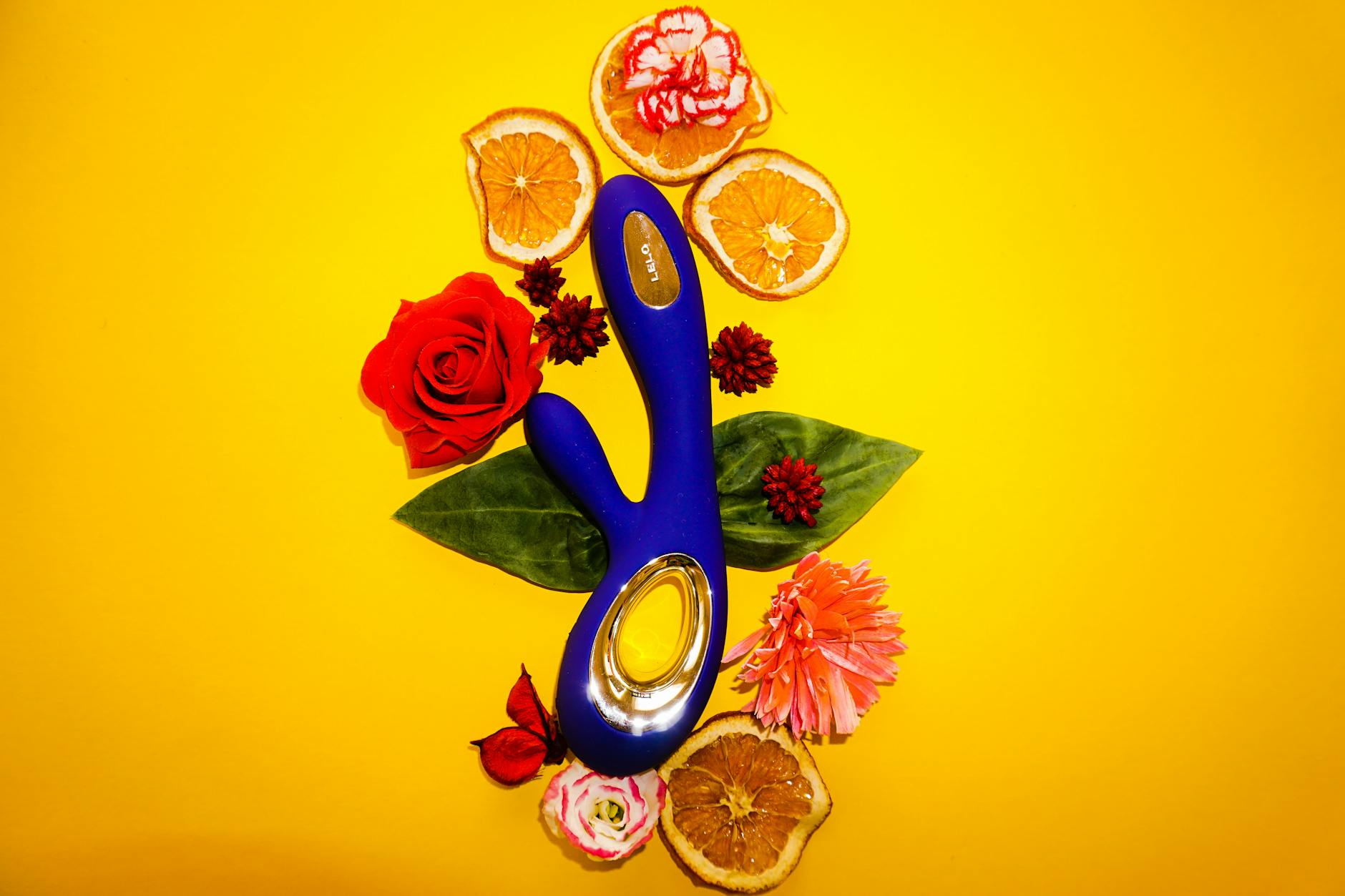
Photo by FounderTips on Pexels
The insecurity he might not tell you about
Your new partner might worry that bringing toys means they're not satisfying you. That worry usually goes unsaid, which is why you need to address it directly.
Say something like: "I want to be clear. I'm attracted to you. I want you. This is about expanding what we do together, not because anything is missing. It's addition, not substitution."
Mean it when you say it. Because here's the thing: if you're using a lemon vibrator during partnered sex and you're completely ignoring your partner, yeah, that's a communication problem. But if you're looking at them, touching them, letting them watch and participate, you're building intimacy, not eroding it.
Many couples who introduce toys in the first few months of dating find that it actually deepens trust faster. You've named something vulnerable and worked through it together. That's bonding.
Questions that come up (and honest answers)
Will introducing toys this early make my new partner think I'm too experienced?
Maybe. And that's information about them, not about you. Experience isn't a character flaw. You know what you like and you're willing to ask for it. That's emotionally mature. If a partner judges you for that, they're not the right fit long-term anyway.
What if my partner wants to use toys on me but I'm not ready?
Say that. "I love that you're into this. I want to explore together at my own pace." You can be open to toys while still setting boundaries about how and when. Those two things aren't contradictory.
How long should we wait before bringing toys into every sexual encounter?
There's no rule. Some couples use toys regularly from week two. Others use them occasionally after months. The point is that you've established it's an option, so you can have the conversation in the moment. "Want to use the toy tonight?" becomes just another question, like "your place or mine."
What if we try it and it kills the mood?
First time experiments often feel awkward. That's normal. You're adding a new element, learning how to coordinate, maybe laughing at yourself. Awkwardness isn't failure. It's just part of trying something new. Take a breath, keep going, debrief afterward about what worked and what didn't.
Should I buy the toy before telling him or ask him to pick it out together?
Ask him to pick it out. Even if he says "I don't know anything about this," you can show him pictures of lemon clitoral vibrators, explain why you like them, and let him choose the color or style. That involvement matters. He stops being the person you're introducing toys to and becomes the person choosing toys with you.
Is it weird to use a lemon vibrator when I'm already with someone?
No. Not even close. Plenty of people in happy, secure relationships use clitoral vibrators solo and partnered. The toy doesn't negate the relationship. It enhances it.
The bridge from conversation to action
After you've had the talk and you both agree you want to explore, give yourself permission to take a week or two. You don't need to rush into it immediately. But you also don't need to wait for some mythical "perfect moment."
When you're ready, order a lemon vibrator if you don't already have one. The Lem is popular because it's intuitive, discreet, and effective. You don't need anything fancy. You need something you actually want to use.
Keep it visible. Not hidden in a drawer like you're ashamed. Visibility normalizes it. Your partner will see it and the anticipation builds naturally.
When you do use it together, remember that this is the beginning of a longer conversation, not the final word. What feels good today might shift. What seems appealing now might become a regular favorite. You're building a sexual vocabulary together, and toys are just new words in that vocabulary.
The couples who thrive long-term are the ones who can say "I want this" and "How do you feel about that" and actually hear the answer. Starting with toys in a new relationship doesn't just build pleasure. It builds the communication skills you need for the next decade together.
Related reading
If you're navigating how to introduce toys with a partner who's never tried them, or you're returning to sex after time apart and want to rebuild together, check out our guides. Both lean into the same core idea: toys aren't about fixing something broken. They're about expanding what's already good.