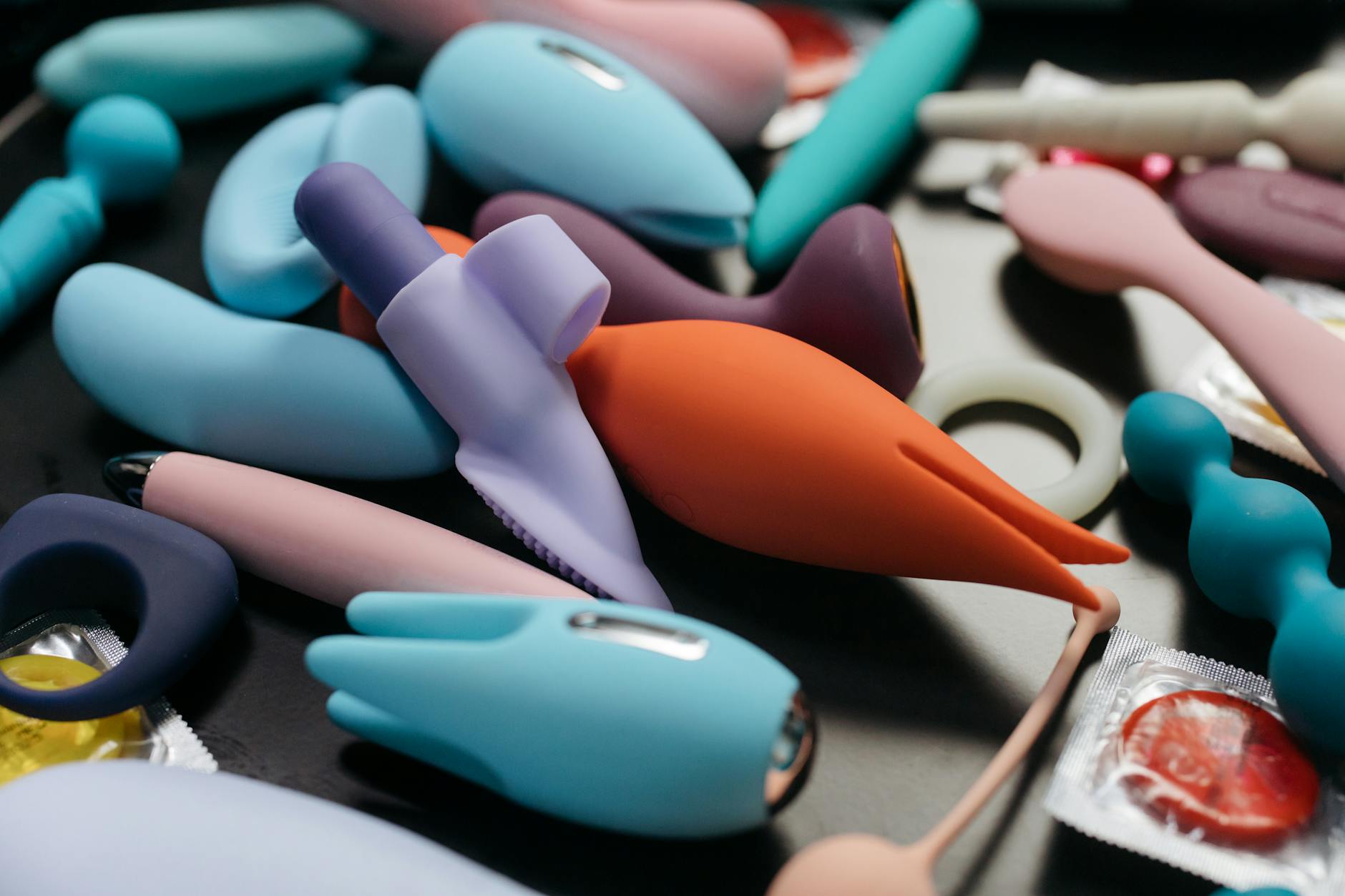
Let's talk about the part nobody addresses
Years without sensation. Maybe it started gradually. Maybe it was sudden. Either way, you've reached a point where your body feels like it's running on low volume. Stimulation doesn't register the way it used to. Orgasms feel muted or impossible. And somewhere along the way, you stopped expecting this to change.
Here's the honest truth: that numbness isn't your new baseline. It's a signal that something shifted, and the right approach can shift it back.
Why sensation actually disappears
There are a few common culprits, and naming them matters because the fix depends on what's happening.
Desensitization from repetition. If you've been using the same type of stimulation in the same way for years, your nerve endings stop responding with the same intensity. It's not that your body broke. It's that your nervous system learned to tune out familiar input. This is genuinely reversible.
Hormonal shifts. Estrogen loss (from menopause, hormonal birth control, or other causes) changes tissue thickness and blood flow. Reduced sensation follows. This gets better with time and the right stimulation.
Medication side effects. Antidepressants, blood pressure meds, and others can numb sensation or flatten arousal. Sometimes switching helps. Sometimes you work within the constraint.
Psychological numbing. Stress, relationship strain, depression, or past trauma can genuinely mute physical feeling. Your brain literally reduces signal to protect you. This one requires both psychological work and gentle re-sensitization.
Nerve changes from aging. This is real and it's not a tragedy. Your clitoris has over 8,000 nerve endings, and they can lose responsiveness over time. Pattern changes help. Intensity changes help. Different tools help.
The point: whatever happened, your capacity for sensation probably hasn't vanished. It's been dormant.
Why lemon vibrators work differently when sensation is low
Most standard vibrators use a simple buzzing motion. When your nerves are already muted, that familiar hum doesn't cut through the fog.
Lemon clitoral vibrators use suction. That's a fundamentally different kind of stimulation. Instead of direct friction against already-dulled tissue, suction creates a rhythmic pressure that wakes up nerve endings that have been quiet for years.
Think of it like this: if your sensation is a dimmed light, regular vibration might add a tiny bit more brightness. Suction is like opening the curtains.
The actual process of rebuilding sensitivity
You don't just wake up feeling everything overnight. Sensitivity rebuild follows a pattern, and knowing it helps you not give up too early.
Phase one: discovery. Your first few sessions with a Lemon clitoral vibrator might feel like almost nothing is happening. That's expected. You're asking your nerve endings to wake up after they've been quiet. Give this a week. Use it three or four times. Don't expect a dramatic response yet.
Phase two: micro-responses. Around session five or six, you'll notice small changes. A slight tingle. Warmth spreading where it didn't before. A sense of pressure rather than nothing. This is the nerve endings starting to listen. It's quiet but it's real.
Phase three: patterns emerging. After two to three weeks of consistent use, you'll notice that the sensation builds more noticeably. Your body starts recognizing what's happening. Arousal begins to layer on top of the physical stimulation. This is when people often say "Oh. This is actually working."
Phase four: pleasure rebuilding. By week four or five, most people report that orgasms are becoming possible again. Not always easy, but possible. And critically, they feel different than they used to. Often deeper. More localized. Different doesn't mean worse.
How to actually use them when sensation is low
Three specific changes from standard advice.
Start with the lowest pattern. Most lemon sexual toys have multiple intensity levels. When sensation is muted, don't start where experienced users start. Begin at the absolute lowest setting. You're not being impatient by going slow. You're giving your nervous system a chance to recognize what's happening.
Longer warm-up windows. Budget 20 to 30 minutes, not ten. Your body needs time to build arousal when sensation is low. That time isn't wasted. It's when nerve sensitivity is actually improving. If you rush, you're defeating the purpose.
Change your location or position. If numbness happened in one context (say, solo play always felt the same), changing the physical setup helps. Different position, different room, different time of day. You're teaching your nervous system that this is a new context with new possibility.
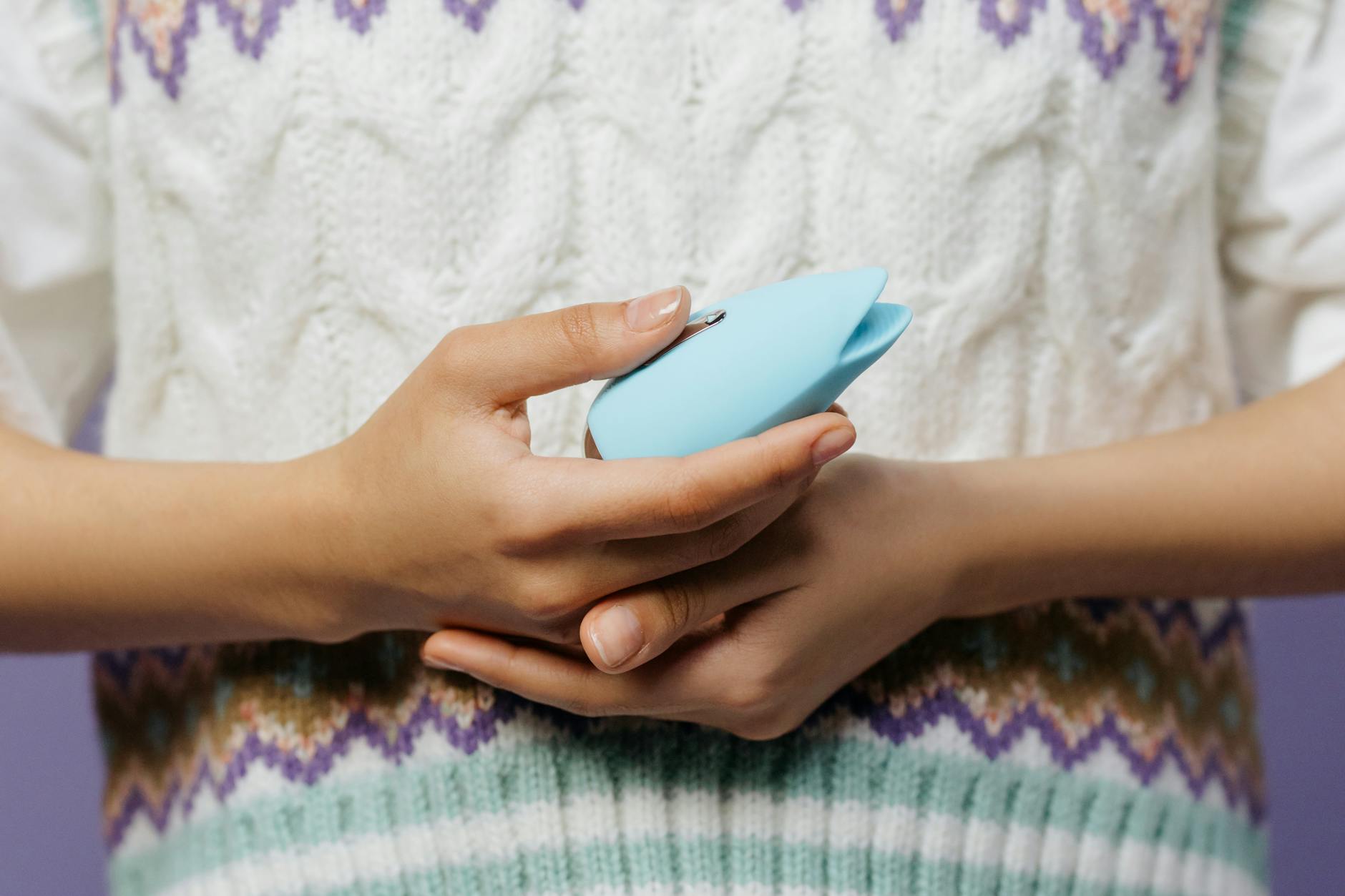
Photo by cottonbro studio on Pexels
Managing expectations during the rebuild
Here's where people often derail themselves: they expect linear progress.
Sensitivity doesn't rebuild in a straight line. You'll have sessions where sensation feels sharper, and sessions where it feels muted again. That's normal. It means your nervous system is literally rewiring itself. Some days the connection is stronger. Some days your body needs rest.
If you've been numb for years, expecting to feel normal again in two weeks is setting yourself up for frustration. Most people report meaningful change between four to eight weeks of consistent use. Some take longer. That's not failure. That's your body doing real work.
Don't compare your rebuilding journey to someone else's. Their numbness had different causes. Their baseline was different. Your timeline is yours.
When to add other pieces
Lemon clitoral vibrators are powerful on their own, but combining them with other approaches speeds things up.
If psychological numbness is part of the picture, therapy or somatic work might be the bigger game-changer than any toy. If hormonal shifts are the root cause, talking to a doctor about that layer helps. If medication is dulling sensation, asking about alternatives (if possible) matters. The vibrator works best when you're also addressing what created the numbness.
For partners: if your partner is experiencing sensation loss, the most helpful thing you can do is not make this about you. This isn't about your desirability. It's about their nervous system recalibrating. Using a Lemon clitoral vibrator during partnered play is totally fine, and watching them reconnect with sensation can be deeply satisfying for both of you. The key is patience and genuine curiosity about what they're experiencing.
The thing nobody says but should
Rebounded sensation often feels different than it did before. Your orgasms might be smaller, more focused, or take a different shape. That's not better or worse. It's just what your body is now.
And for a lot of people, that new sensation is actually richer because it comes with presence. You spent years numb. When feeling returns, you notice it. You're grateful for it. That changes everything.
People also ask
How long does it take to regain sensation with a lemon clitoral vibrator? Most people report noticeable changes within three to four weeks of consistent use (three times weekly or more). Full sensation rebuild can take two to three months. If nothing shifts after six weeks, the issue might be medical or psychological and worth exploring with a healthcare provider.
Can numbness from medications improve with lemon sexual toys? Sometimes, yes. Vibrators can help rebuild neural pathways even when medication is dampening sensation. But if the medication itself is the primary culprit, changing the medication might be the more direct fix. Both approaches are worth discussing with your doctor.
Is it normal for sensation to feel different when it comes back? Completely normal. Years of numbness means your body's response has changed. Sensation might be more localized, require longer build-up, or feel qualitatively different. This isn't wrong. It's your body's new reality, and most people adapt quickly.
What if lemon vibrators don't help after several weeks? This might signal that the numbness has a bigger psychological or medical root. Consider working with a sex therapist or doctor. Sometimes a combination of approaches (therapy plus tools) works better than tools alone.
Can I use lemon vibrators if I'm on antidepressants? Yes, though results might be slower because medication naturally dampens sensation. Some people find that lower vibrator intensities actually feel better on medication. It's worth experimenting, and if sensation doesn't improve after eight weeks, ask your provider about dose adjustments or alternative medications.
Should I tell my partner I'm using a vibrator to rebuild sensation? That depends on your relationship. If you're partnered and communication is open, honesty often deepens things. "I'm working on reconnecting with my body" is a conversation starter. If you're solo, this is entirely private. No permission needed.
Rebounding sensation after years of numbness is possible. It takes patience, consistency, and the right tool. A lemon clitoral vibrator is that tool for many people. But the real work is yours: showing up, staying curious, and trusting that your body wants to feel again.
If you're struggling with this, you're not alone, and nothing is broken about you. Your nervous system just needs to remember what it's capable of. And that remembering starts with a single session where you let yourself feel whatever is there, even if it's not much yet.
Ready to explore further? Reach out to us if you have questions about finding the right vibrator for your specific needs.