
Getting back takes time, and that's completely normal
Surgery, injury, illness, or medical treatment changes your relationship with your body. Even after you're physically cleared to resume intimacy, the emotional and physiological readiness takes longer. Your nervous system has been activated by pain or stress. Your pelvic floor may have tensed protectively. Sensation might feel muted or different. And the fear of re-injury, even when irrational, is real.
This is where people usually make a mistake: they try to jump back into what worked before. That almost never works. What does work is treating your return to pleasure the same way you'd treat physical therapy. Gentle, consistent, patient, and with the right tools.
Why vibrators work better than fingers during recovery
When you're healing, direct pressure from a partner's hand or fingers can feel unpredictable. Vibration is different. It's consistent, adjustable, and entirely under your control. You set the pattern, the intensity, the pace. There's no pressure to respond in any particular way.
Lemon vibrators, specifically clitoral vibrators like the Lem, are built for this. The suction mechanism doesn't rely on direct friction the way traditional vibrators do. That matters because your tissue might be tender or reactive. Suction creates a gentle vacuum that stimulates nerves without the same mechanical pressure. You can start at pattern 1 (barely-there gentle pulses) and only increase if your body wants more.
That control is the real advantage. You're not waiting for someone else to understand what your healing body needs in the moment. You're directing the entire experience.
The timeline reality
Most people are given medical clearance to resume sex about 6 weeks after major surgery or significant injury. That clearance means the physical wound has closed enough that penetration won't cause re-injury. It does not mean your nervous system is ready. It does not mean sensation has returned. It does not mean you want to.
I typically recommend a 2-3 week buffer after medical clearance before starting with any kind of vibrator, even a gentle one. Use that time to rebuild comfort in your body. Gentle touch, massage, skin-to-skin contact with a partner if you have one. No agenda beyond reconnection.
After that buffer, you can introduce external clitoral stimulation. Solo play is actually the ideal place to start. You're learning what your body can feel without the performance pressure of a partner watching or waiting for you to be aroused. With Lemon vibrators, you're also learning which patterns feel safest.
Starting with the gentlest settings
Even if you used Lemon vibrators before your surgery or injury, start at pattern 1. Seriously. Your nerve endings have been through something. What used to feel medium might now feel intense. What used to feel good might feel strange or even slightly painful. That's not failure. That's your body communicating.
Spend 2-3 sessions just exploring pattern 1. Notice what you feel. Notice where you feel it. If it feels okay, great. If it feels like nothing, that's also okay. Nerve regeneration takes time. Some sensation might return over weeks or months.
Pattern 2 comes next, but only if pattern 1 felt safe and somewhat pleasant. There's no rush. Your clitoris isn't going anywhere. Give your body the timeline it needs.
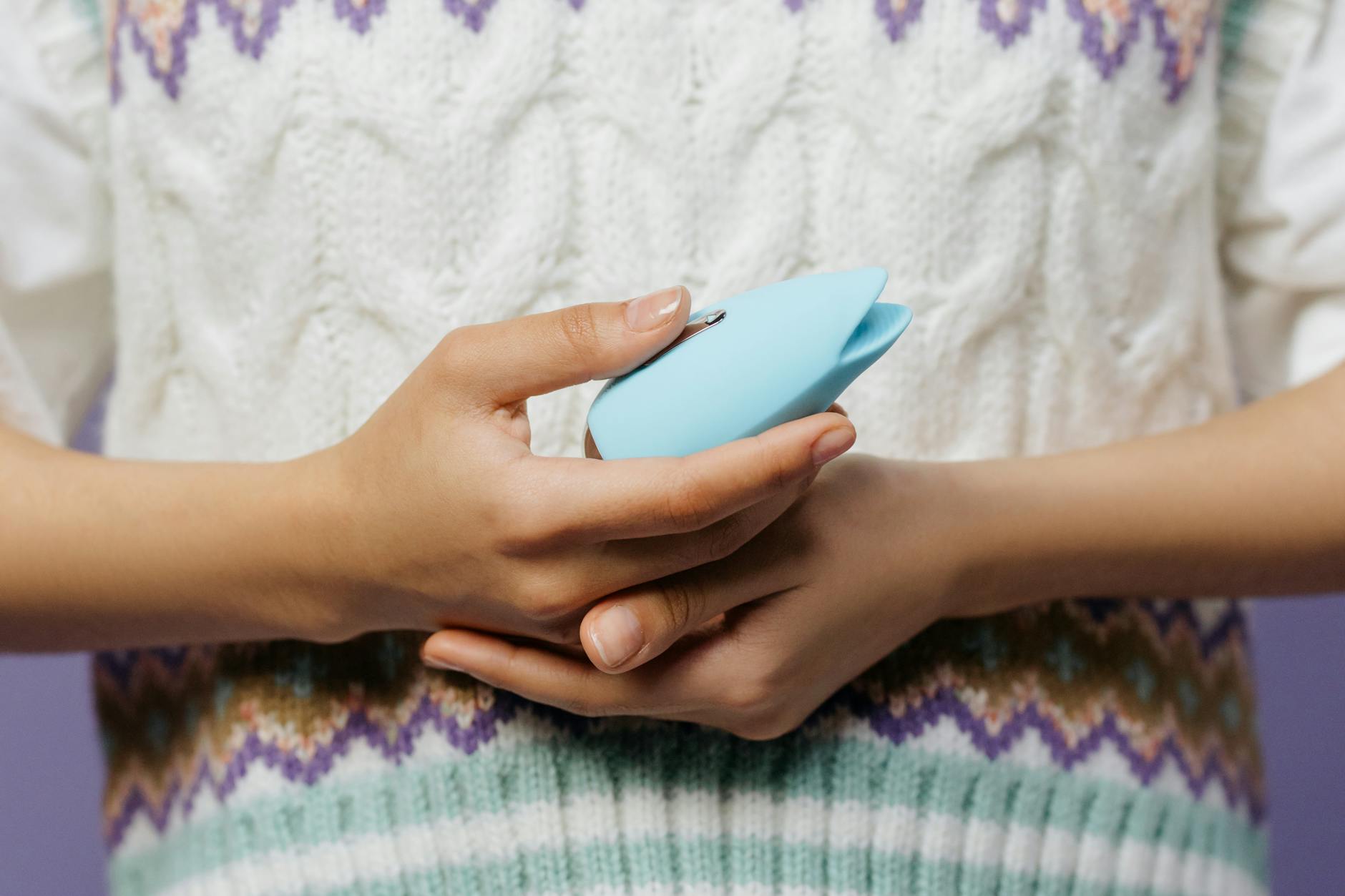
Photo by cottonbro studio on Pexels
Lubrication and tissue sensitivity
After certain surgeries or with certain medical conditions, vaginal lubrication can decrease temporarily or permanently. This is especially true after gynecological procedures. Even if you're using external stimulation only, water-based lubricant helps. It reduces friction, makes the experience more comfortable, and signals to your body that this is intentional pleasure, not medical care.
Use a generous amount. There's no such thing as too much lubricant during recovery. It also helps if your tissue feels especially tender or reactive. The slickness lets the vibrator glide smoothly without catching.
If you had pelvic floor physical therapy as part of your recovery (which is common after childbirth, pelvic surgery, or injury), ask your PT whether lubrication preferences have changed. They know your specific case and can give you personalized guidance.
The emotional component is not separate from the physical
Here's what I see over and over: someone is physically healed, uses a Lemon vibrator on the gentlest setting, and feels nothing. They assume they're broken. They're not. They're anxious. Anxiety and arousal cannot coexist in the nervous system. Your body is protecting you from further perceived threat.
If this is you, lemon clitoral vibrators alone won't fix it. But they're part of the solution. Here's what actually helps:
First, give yourself permission to feel whatever you feel. If you're scared of re-injury, that's valid. If you're grieving your body's change, that's valid. If you're angry at the medical situation that created this, that's valid. Naming it helps.
Second, if you have a partner, talk about what you're feeling before you try anything sexual. Not during. Before. Say things like: "I'm nervous about re-injury, so if I seem tense, that's not about you." Or: "My body feels unfamiliar to me right now." Give your partner something concrete to understand.
Third, use Lemon vibrators as a way to stay present in your body. The sensation, even if it's faint, gives you something to focus on besides fear. Combine it with slow breathing. Use it in a relaxed position, not a performance position. Make it about discovery, not outcomes.
When to introduce a partner back in
This depends entirely on your relationship and your recovery. Some people feel safer exploring solo until sensation returns. Others want their partner involved from the start because their partner makes them feel secure. Both are fine.
If you're bringing a partner back in, they should understand that this is slow. That you might ask them to stop or change approach. That your body's responses might be unpredictable. A good partner sees this as an opportunity to learn you again, not as a problem to solve.
Using a Lemon vibrator together can actually be easier than partnered touch during recovery. The vibrator is the thing doing the work, not your partner's body or hands. It removes some of the vulnerability. Your partner can hold the vibrator, or you can. You can guide it, or ask them to apply more or less pressure. It's collaborative without being demanding.
When sensation doesn't return as fast as you'd hoped
Nerve damage from surgery, injury, or prolonged medical treatment can take 6 months to a year to fully resolve. I know that feels impossibly long. It's also the reality for some people. This doesn't mean you'll never feel pleasure again. It means your timeline is longer than the standard medical clearance would suggest.
Keep using Lemon vibrators gently and consistently, but shift your goal. Instead of chasing orgasm, chase sensations. Notice texture. Notice temperature. Notice the difference between patterns. This slower, curious approach often leads to sensation returning faster than forcing intensity does.
If a year has passed and you still feel nothing, or if you feel pain instead of numbness, see a pelvic health specialist. They can assess whether there's nerve damage that needs specific treatment, or whether there's scar tissue that's creating sensitivity. Most of these things are treatable. You don't have to accept permanent change without professional guidance.
The partnership between patience and tools
Your body has been through something that required healing. That healing is a partnership between time, gentleness, professional care, and the right tools. Lemon vibrators are one piece of that partnership. They give you precise control, predictable sensation, and a way to reconnect with pleasure at your own pace.
But the bigger piece is you. Your willingness to listen to your body. Your refusal to rush the timeline. Your commitment to pleasure as part of your recovery, not as an afterthought once you're "back to normal." Because here's the thing: you might not be back to normal. You might be better. Different, maybe, but better. And that's worth the patience it takes to get there.
FAQ: Questions about using Lemon vibrators during recovery
How long after surgery should I wait before using a vibrator?
Wait for your doctor's clearance for sexual activity first. That's typically 6 weeks after major surgery. Then wait another 2-3 weeks without any stimulation while you rebuild comfort in your body. After that buffer, you can introduce external clitoral stimulation on the gentlest settings. If your specific surgery came with different guidelines (pelvic floor surgery, for example, sometimes requires longer), follow those instead.
What if the vibrator feels numb or like nothing at all?
That's common during early recovery. Your nerves have been through stress or direct trauma. Sensation returns gradually, sometimes over weeks or months. Keep using the vibrator on gentle settings consistently. Don't force intensity. Over time, as your nervous system settles, sensation usually comes back. If it doesn't improve after 3-4 months, ask your doctor about a pelvic health specialist assessment.
Can I use a Lemon vibrator if I had pelvic floor surgery?
Probably yes, but ask your pelvic floor physical therapist specifically. Some types of pelvic floor surgery require a longer recovery before any stimulation is okay. Others are fine with external clitoral stimulation after medical clearance. Your PT knows your surgical approach and can give you the right timeline. When you do start, go even slower than usual. Your pelvic floor has been worked on. Give it time.
Should my partner help me use the vibrator, or should I do it alone?
Either works. Doing it solo first lets you learn what feels safe without performance pressure. Involving your partner later can rebuild emotional intimacy and show them what you need. If involving your partner makes you feel more anxious, stick solo for longer. Pressure to be ready for partnered sex before you're emotionally ready is counterproductive.
What if using the vibrator brings up trauma or difficult emotions?
That's real and not uncommon, especially after surgery or injury that involved your pelvic area. Stop, take time, and consider whether therapy would help. Some people benefit from trauma-informed sex therapy or somatic therapy to process what their body went through. Your pleasure is important. So is your emotional safety. If they're in conflict, get professional support to work through it.
Can I use Lemon vibrators if I had an episiotomy or perineal tearing?
Yes, because you're using external clitoral stimulation only, not anything that enters the vagina. Wait for your medical clearance, then the 2-3 week buffer, then start gently. Suction-based clitoral vibrators like Lemon products are actually gentler than traditional vibrators because they don't rely on friction. But do wait longer than you might with other recovery types. Perineal healing is sensitive. Your comfort matters more than speed.