Let's talk about going slow
Our culture treats pleasure like a destination you're late for. Rush through foreplay, hit the target, check the box. But here's what I've seen work with countless clients: the people who actually report the most satisfying sessions are the ones who stop treating orgasm like a finish line and start treating the entire experience like the point.
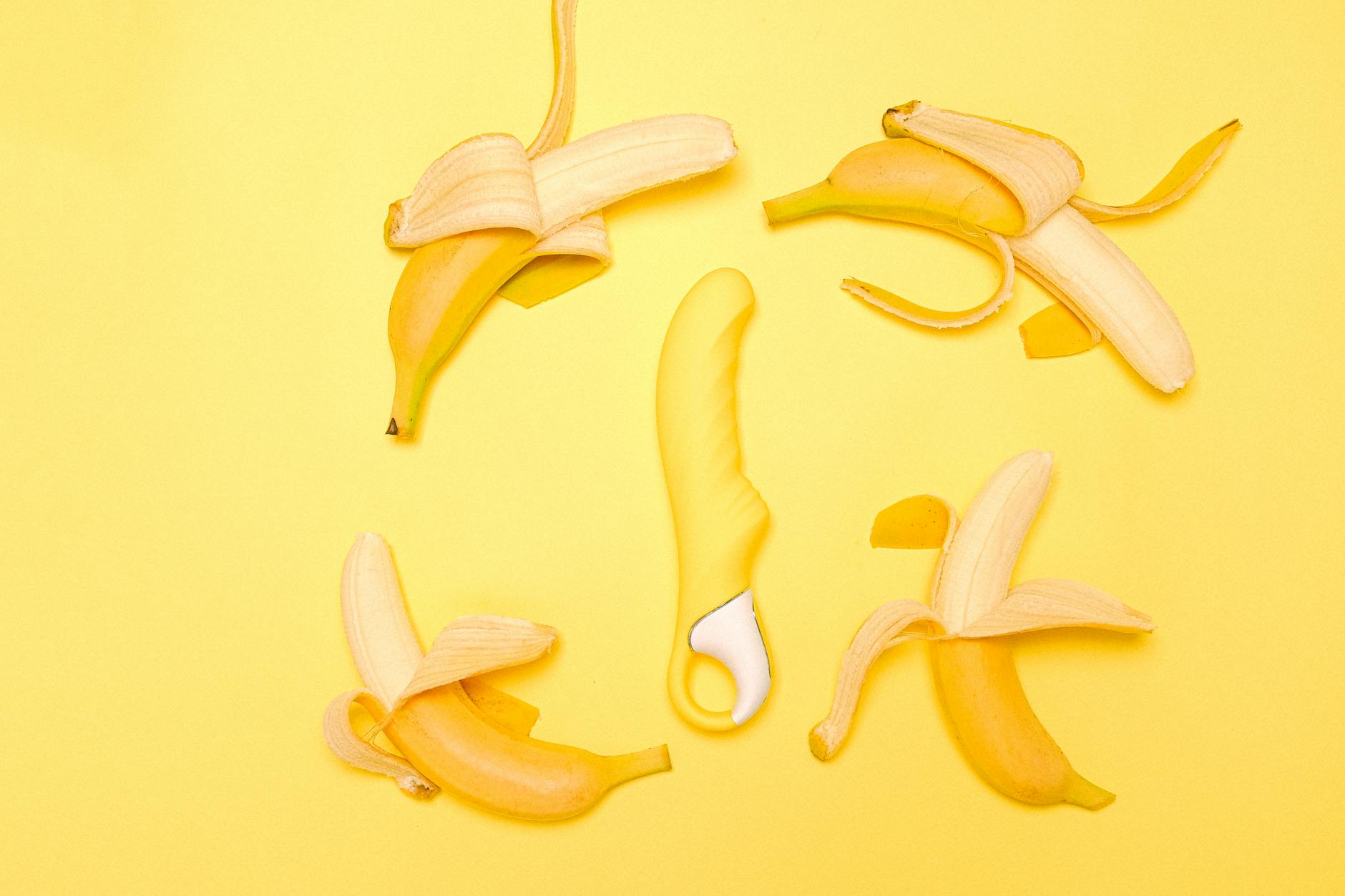
Lemon vibrators, especially the suction-based ones, are genuinely exceptional tools for this. They don't demand speed or intensity to work. In fact, they're often more responsive when you slow down and pay attention.
Why speed isn't your friend
When you're rushing, your nervous system stays in a sympathetic state, which means you're partially in fight-or-flight mode. Your pelvic floor tightens. Your attention scatters. You're literally working against yourself.
Slowing down flips the switch to parasympathetic mode, which is where pleasure actually happens. Blood flow increases. Your body becomes more responsive to touch. Sensation actually intensifies, even though you're using less stimulation.
This is where a lemon vibrator changes everything. Unlike vibrators that demand friction or constant intensity, lemon vibrators use suction patterns that you can layer and build. You can go from pattern 1 to pattern 3 over five minutes instead of thirty seconds. You can pause. You can breathe. You're not locked into escalation.
The pacing framework that actually works
Start low, stay there. When you first turn on your lemon vibrator, use the gentlest setting available. Not teasing-low. Not "I'm going to pretend this isn't enough." Genuinely the lowest pattern your device offers. Spend at least ten minutes here. Your job in this phase is noticing sensation, not chasing it. Where do you feel it? Does it change if you shift position slightly? What happens when you breathe into it instead of holding your breath?
Build in small increments. After ten minutes or longer, increase to the next pattern. Not a jump to halfway. The next setting. Spend another five to ten minutes here. This matters because each level teaches your body something new about what the next level will feel like. You're building anticipation and sensitivity at the same time.
Add pauses. This is the part people skip and regret. Every few minutes, turn off your lemon vibrator completely and sit with the aftereffects. Your nervous system doesn't drop instantly. Sensation actually lingers. Arousal keeps building under the surface. When you turn it back on after thirty seconds or a minute, everything feels new again.
Breathe intentionally. Most people hold their breath during pleasure. Your body interprets this as stress. Instead, try slower breathing. In for four counts, out for six. This is not spiritual practice. It's physiology. Longer exhales activate the parasympathetic nervous system directly, which makes sensation stronger and pleasure more sustainable.
The mental game
Extending pleasure is partly technique and partly permission. I work with people who've spent decades believing they should come quickly, that faster means more responsive, that lingering feels needy. That's internalized pressure masquerading as preference.
When you slow down with a lemon vibrator, you're giving yourself explicit permission to want something different. To spend thirty minutes on pleasure instead of five. To change patterns three times instead of one. To have an orgasm that builds over fifteen minutes rather than arriving on schedule.
Your partner, if you have one, needs to understand this too. Slowing down isn't foreplay before the main event. It's the main event. If you're with someone who gets restless or interprets slowness as hesitation, that's worth a separate conversation outside the bedroom.
Positioning matters more than you think
When you're building pleasure slowly, your position determines how sustainable the experience is. Lying on your back works for about twenty minutes before your arms get tired or your body tenses in ways you don't notice until later. Try sitting up instead, supported by pillows, so your hands stay relaxed and your core stays engaged without fighting gravity.
If you're with a partner, you can use them as the pillow. This isn't about them stimulating you. They're literally just supporting your back while you use your lemon vibrator. It creates closeness without performance pressure. Some people find this vulnerable. Most find it restful, which is exactly what you need when you're playing a longer game.
The lube conversation you need to have
When you slow down, lubrication becomes more important, not less. The longer you're using any vibrator, the more friction matters. Use a water-based lube generously, even if you don't think you need it. Your body knows what it needs, and sometimes that changes minute to minute.
If your lube starts to dry out halfway through, pause and reapply. This is also a natural checkpoint for checking in with yourself. How are you feeling? Do you want to keep going or wind down? There's no wrong answer.
Extending doesn't mean avoiding orgasm
I want to be clear: the goal here isn't to deny yourself an orgasm. It's to arrive at one that you've actually built instead of rushed toward. When you finally get there after twenty or thirty minutes of layered sensation, most people report that it's significantly more intense than the quick version.
Some people report multiple smaller orgasms instead of one big one. Some people find that the sensations don't peak the same way they do when they're rushing, and they're surprised by how satisfying that feels. The point is you've given yourself options by slowing down.
When you return to normal speed
Extending pleasure doesn't mean you have to slow down every single time. Once you know what slow feels like, and you know how much deeper it goes, you can apply that knowledge to faster sessions too. You learn which patterns actually matter to your body, which ones you can skip, where your real sensitivity lives.
This is practical information that makes you better at pleasure across the board, whether you're using a lemon vibrator, a clitoral vibrator, or just your own hands. You've learned your own rhythm, and that's the most valuable skill you can develop.
The partner piece, expanded
If you're exploring slow pleasure with a partner, set expectations beforehand. Tell them how long you're planning to spend. Tell them what you need from them. "I want you to sit with me but not touch me" is wildly different from "I want your hands on me the whole time," and communicating the difference up front prevents disconnect.
When partners understand that slow sex isn't a referendum on them or their abilities, most are genuinely interested in trying it. They get curious about what their own slow pleasure looks like. They appreciate having permission to extend their own experience.
If you're concerned about vulnerability, check out how other couples handle this in <a href="/blog/how-to-use-lemon-vibrators-when-your-partner-wants-to-watch">sessions where your partner is watching</a>. The principles are similar: clear communication, explicit permission, and a shared understanding that intimacy takes many forms.
FAQ
Can you slow down with every pattern, or just the gentle ones?
You can absolutely slow down with higher patterns. The rhythm-building framework works at any intensity level. Start with a higher setting and spend ten minutes there before adding intensity, or pace the pattern changes themselves. Some people find that higher patterns actually teach them about slowing down more effectively because the stimulation is stronger and demands more attention.
What if you want to slow down but your partner wants to rush?
That's a compatibility issue worth addressing directly. Some people are wired for quick pleasure and get impatient with extended sessions. That's not wrong, but it's also not compatible with what you're trying to do. You might find that you need different things at different times, and that's where solo pleasure with a lemon vibrator becomes really valuable. You get to set the pace entirely. Then, when you're with your partner, you already know what you actually want instead of negotiating it in the moment.
Does slowing down always lead to stronger orgasms?
Not always, but usually. Sometimes slowing down leads to waves of sensation instead of a single peak. Sometimes you get multiple smaller orgasms instead of one large one. Sometimes you reach a plateau and decide you're satisfied without needing to go higher. All of these outcomes are valid. The goal is options, not a specific result.
How long should you actually spend on each pattern level?
There's no magic number. Some people love five minutes per level. Others prefer ten or fifteen. Pay attention to what your body is telling you. When sensation starts feeling familiar instead of building, that's often your cue to level up. If it's never familiar because you're focused entirely on chasing the next thing, you might be going faster than you intend.
Can you combine slow techniques with a partner and a lemon vibrator simultaneously?
Absolutely. Have your partner provide one type of stimulation while you control your lemon vibrator. Or have them hold it while you guide the pace. The key is communication about what each person is doing and when. Surprise intensity is not fun. Clear expectations are everything.
What if you get distracted during a slow session?
That's normal and worth addressing. Distraction usually means your environment isn't set up right, you're in your head about performance, or you actually need the session to be shorter. Try eliminating phone notifications, dimming the lights, or explicitly telling yourself you're allowed to take breaks. Sometimes slow sessions benefit from low music or a specific temperature. Pay attention to what your environment needs and adjust accordingly.