Here's the thing about taking time away from sex
Your body doesn't forget how to feel pleasure. But the pathway back can feel murky, especially if the break came from grief, illness, exhaustion, or just life getting in the way. You might worry that things won't work the same anymore, or that you've somehow lost your capacity for enjoyment. You haven't. What you need is a gentle reintroduction, and that's exactly what lemon clitoral vibrators are designed to help with.
I work with people returning to pleasure all the time. The pattern is almost always the same. There's a gap. During that gap, self-doubt creeps in. Then, when you're ready to return, the pressure to perform, to feel aroused immediately, to orgasm like you used to, becomes a wall. Lemon vibrators don't solve the psychological part. But they remove a huge amount of the physical friction, which lets the psychological work happen naturally.
Why a break changes your body's response
Time away from sexual activity means your tissues, blood flow patterns, and neural pathways lose some of their conditioning. This isn't permanent damage. It's similar to how your legs feel different after a month of not running. The system hasn't disappeared. It's just recalibrating.
Specifically, your clitoral tissues have less blood flow than they did when you were regularly stimulated. Your arousal timeline lengthens. Your brain might carry some skepticism about whether pleasure is even accessible right now. All of this is completely normal and completely reversible.
The risky move is trying to jump back into the intensity or duration you remember. That often leads to frustration, a sense that your body has betrayed you, and a longer gap before you try again. Lemon vibrators work because they meet you where you actually are, not where you used to be.
Starting with sensation mapping, not performance
The first thing I recommend is dropping the goal of orgasm entirely. Not forever. Just for the first few sessions. Instead, treat this like rediscovering a familiar place. You're gathering information about what your body feels like now.
Use your lemon vibrator on the lowest setting. Spend 10 to 15 minutes simply moving it around your vulva, clitoris, and labia, noticing what creates sensation. Some areas might feel more alive than others. Some spots might surprise you. You're not trying to build toward anything. You're just getting reacquainted.
This solo exploration does two critical things. First, it removes the performance pressure that often gets attached when another person is involved. Second, it reestablishes your body's baseline responsiveness without judgment. You learn what you actually like right now, not what you think you should like.
The suction advantage when you're restarting
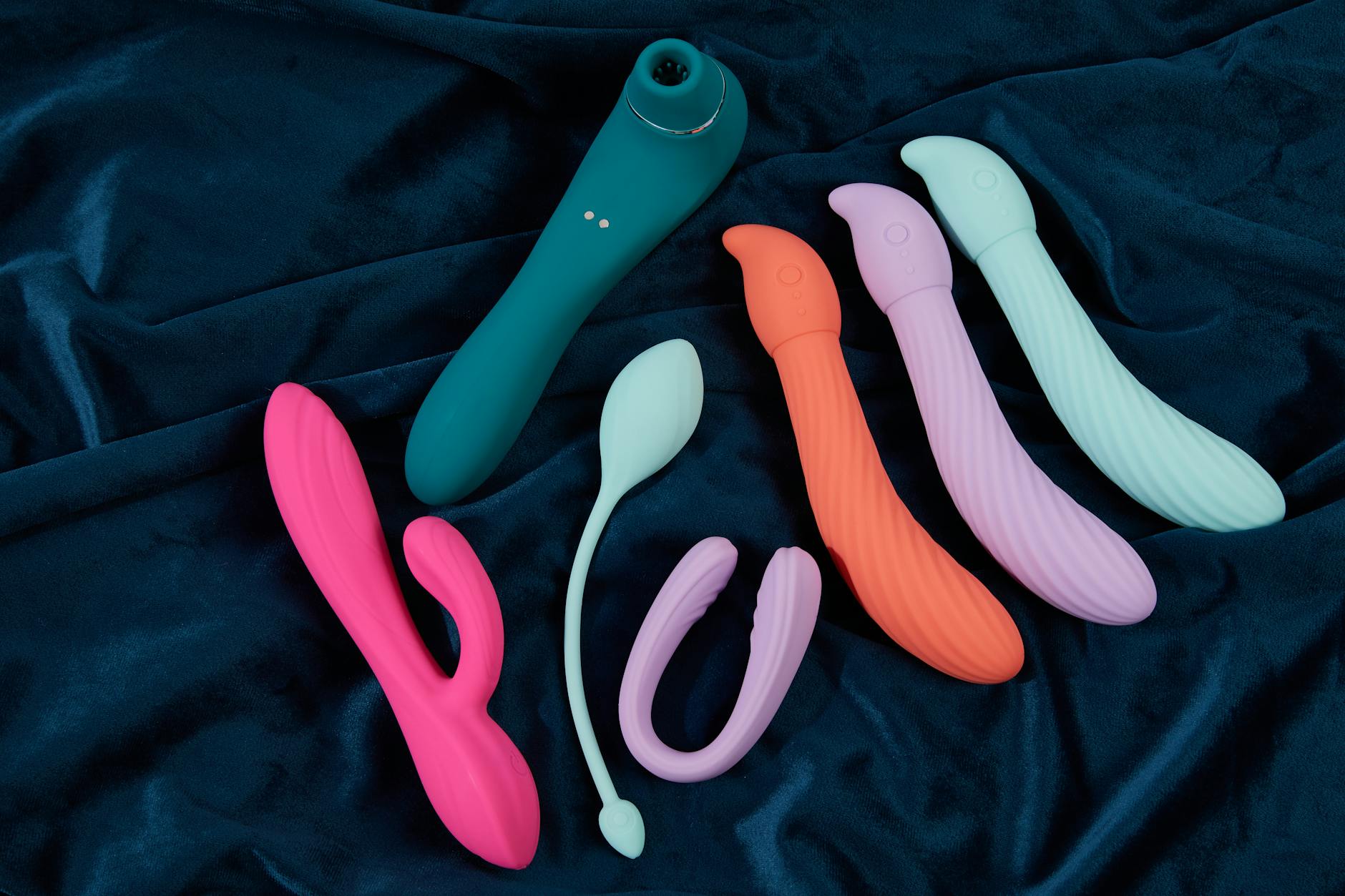
Lemon clitoral vibrators use a suction or air-pulse mechanism rather than traditional vibration. This matters enormously for someone coming back from a long break. Direct friction can feel either too intense or not quite right when your tissues are recalibrating. Suction works differently. It creates a gentle pressure pulse that stimulates the clitoris without aggressive contact.
This mechanism also tends to be more reliable for people whose arousal is hesitant or inconsistent. If you're anxious about whether your body will respond, the gentler pressure of suction often allows relaxation to happen first, which is the actual requirement for arousal. It's harder to get tense when something feels this comfortable.
Start on pattern 1 or 2 (most lemon vibrators have multiple intensity levels). You can always increase from there, but you can't take back being too intense right away.
Building duration gradually
After a gap, your body's endurance for sensation rebuilds. You might feel responsive for three minutes, then lose it. That's not failure. That's information. Extend your sessions in small increments. Start with 10 minutes. Next time, 12. The week after, 15. Your clitoris will rebuild its capacity for sustained stimulation naturally as you practice.
Most people returning to pleasure are surprised at how quickly this happens. Within 3 to 4 weeks of regular self-exploration, your baseline responsiveness usually shifts noticeably. Your arousal timeline compresses. Pleasure feels more accessible. This isn't you becoming a different person. It's your familiar system being reminded of what it's built to do.
When you're ready to involve a partner
If you're in a relationship and the break affected both of you, bringing a lemon vibrator into partnered sex can feel vulnerable. Here's what I recommend. First, use it solo until you feel confident with it. You don't need to announce this or explain it extensively. Just get comfortable enough that you know what the settings feel like, what the patterns do, and where your responsiveness sits right now.
Then, when you're ready, integrate it. You might start by using it during partnered foreplay while your partner touches you elsewhere. You might use it during intercourse, or you might keep it as a solo tool for now and return to partnered sex separately. There's no timeline, and there's no right way. The point is that you're adding a tool that helps your body cooperate with the return to pleasure, not a tool that replaces connection.
Many couples find that using a lemon clitoral vibrator actually deepens their reconnection. Why? Because you're removing the anxiety about whether orgasm will happen. Once that pressure lifts, actual intimacy often deepens. Your partner gets to participate in your pleasure, watch your responsiveness, and feel part of your rediscovery. That's often more connecting than sex used to be.
Managing the emotional side of restarting
The physical part of rebuilding pleasure is actually the easier piece. The emotional part is where most people get stuck. You might feel shame about the gap. You might worry that your partner has moved on. You might feel broken or disconnected from your own body. None of that is solved by a vibrator, but the vibrator can help you bypass some of that noise long enough to remember what pleasure actually feels like.
Once you remember, the emotional stories about the gap often start to soften on their own. You realize that your capacity didn't disappear. The break was just a break. Your body is ready to return whenever you are.
If the emotional load is heavier (grief, trauma, medical complications), talking to a therapist while you're rebuilding pleasure is valuable. But you can do both simultaneously. Solo exploration with a lemon vibrator takes 15 minutes. Therapy takes an hour. They're not competing for resources.
Why patience actually matters here
I see a lot of people trying to rush the return to pleasure. "I used to orgasm in 5 minutes," they tell me. "Now it takes 20. Something's wrong." Nothing is wrong. Your timeline just shifted. If you accept the shift and stop fighting it, orgasm usually comes anyway. The pushing and the frustration are what extend the timeline.
Setting an expectation of 20 to 30 minutes when you're restarting is kind to yourself. It gives your body time to warm up, your anxiety time to settle, and pleasure time to actually build. Most people are shocked to discover that after a few weeks, their timeline has already compressed back closer to what it used to be. Your body learns fast when you're not fighting it.
FAQ: Rebuilding Pleasure After a Sexual Break
How long does it take to feel like yourself again sexually after a long break?
Most people notice meaningful shifts within 2 to 3 weeks of regular self-exploration, and more substantial changes by 6 to 8 weeks. That said, "like yourself" is contextual. You might never feel exactly like you did before, and that's actually fine. You're not the same person. Your body has changed, your life has changed, and your pleasure can be just as good or better, just different. The lemon clitoral vibrators help speed up this recalibration because they're gentler than many alternatives and work well with hesitant arousal.
Should I be using lube when rebuilding pleasure with a lemon vibrator?
Yes, absolutely. Even if you used to generate plenty of natural lubrication, time away from stimulation can temporarily reduce it. Use a water-based lube (it's compatible with silicone toys like the Lem) to add glide and comfort. This removes one more potential source of friction or discomfort that might otherwise make you tense. Your body will usually produce more natural lubrication as arousal builds, but starting with external lube is smart.
Is it normal to not be able to orgasm after a long break, even with a vibrator?
Completely normal. Orgasm is the last thing that usually returns, not the first. If you're rebuilding responsiveness, focus on sensation and pleasure first. Once your body remembers what arousal feels like, orgasm usually follows naturally. Trying to force an orgasm before your arousal system is fully online is like trying to run before you can walk. The lemon vibrators help with this because their gentle suction mechanism doesn't require high arousal to feel good, so you're not fighting your body's slower timeline.
Can I use a lemon vibrator if I've had a long break and also have anxiety about sex?
Yes, and it's often particularly helpful. Solo use of a lemon vibrator removes the performance pressure that anxiety often attaches to partnered sex. You get to practice being in your body without an audience. You learn what feels good at your own pace. This usually makes partnered sex feel less fraught when you're ready. If the anxiety is severe, pairing vibrator use with therapy is the most effective approach.
What if my partner wants to resume sex before I feel ready for pleasure?
This is worth a direct conversation. You can be intimate and sexual without orgasm or even full arousal being the goal. You might focus on touch, closeness, and reconnection without penetration or vibrators involved. You also might need to rebuild solo first, then integrate your partner back in. That's a valid timeline, and it's more likely to actually work than forcing yourself back into full partnered sex before your body is ready. Your partner wanting to reconnect is understandable. Your pace is equally valid.
Does using a vibrator make it harder to orgasm with a partner later?
No. This is a common myth. If anything, understanding what responsiveness feels like with a vibrator makes you more able to communicate what you need to a partner. You have a reference point. You know your body better. That usually improves partnered sex, not the reverse.
The return is not linear
Some days after you restart, pleasure will feel accessible and easy. Other days it won't. This is normal. Your body is rebuilding responsiveness, and some days your nervous system is more receptive than others. The key is consistency, not perfection. Using a lemon vibrator three or four times a week, even for brief sessions, rebuilds your baseline much faster than waiting for a day when everything feels perfect.
The break didn't break you. It just created a gap. Lemon clitoral vibrators help you bridge that gap gently, without pressure, and with actual pleasure built into the process. Your body knows how to feel good. Sometimes it just needs a little help remembering.