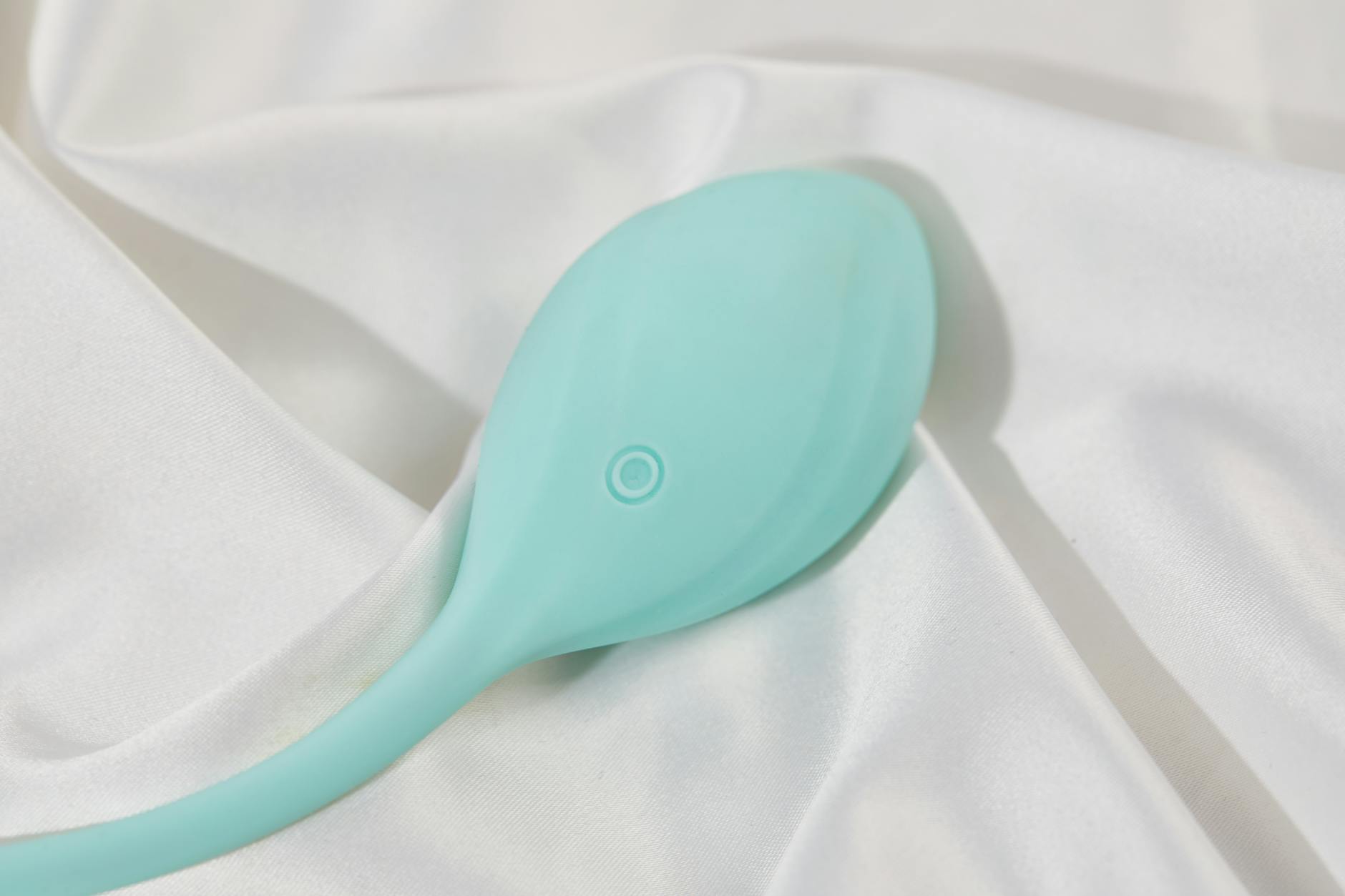
Here's the thing about arousal
You probably think of sex as an on-and-off switch. Foreplay happens, you get turned on, things escalate, you finish. Neat. Linear. Except your body doesn't work that way at all. Arousal is a four-part cycle, and here's what nobody tells you: the sensation of a lemon vibrator or any clitoral vibrator changes completely depending on which phase you're in. Same toy. Totally different experience.
Understanding this isn't just interesting trivia. It changes how you use lemon sexual toys, what intensity settings actually work for you, and why sometimes the same vibrator that felt amazing last week feels weird today.
The four phases of arousal
Back in the 1960s, researchers Kaplan and Masters mapped out how bodies respond to sexual stimulus, and their framework still holds. Think of it like the difference between cold lemon juice, fresh-squeezed lemon juice, hot lemon water, and lemon zest. Same fruit, different forms.
Phase one: Desire. This is the mental stuff. Fantasy, anticipation, deciding to engage. Your body hasn't caught up yet. Blood flow is starting to shift, but there's no physical urgency. If you start using a lem vibrator here, it might feel too direct, too intense. You're not ready.
Phase two: Excitement. Now things are moving. Your clitoris is swelling with blood, your vaginal tissue is lubricating, your heart rate is climbing. This is when a lemon vibrator starts to feel genuinely good. The stimulation matches what your nervous system is asking for. Sensation is heightened but not overwhelming.
Phase three: Plateau. You're hovering at high arousal. Blood congestion is at its peak. A clitoral vibrator might actually feel less intense now because the tissue is already maximally engorged. Some people need to switch settings here, or take a break, or change the angle. This is the phase where understanding your own body matters most.
Phase four: Resolution. After orgasm (or if you're not chasing one), everything reverses. Blood drains from your genitals, sensitivity drops, that buzzy feeling fades. The vibrator that felt perfect five minutes ago might now feel harsh or pointless.
Why sensation changes at each phase
It's all blood flow and nerve sensitivity. Let me break it down practically.
In the early excitement phase, your clitoris is still relatively small and exposed. A gentle vibration from a lemon clitoral vibrator at a lower setting wakes it up. The nerves are becoming more responsive, but they're not yet flooded. Think of it like turning up the radio when the car is quiet. You don't need much volume.
As you move into deeper arousal and plateau, your clitoris swells to roughly double its resting size, and it pulls up under its hood for protection. Suddenly, direct stimulation becomes less effective. The same vibrator setting that felt perfect might now feel numb or annoying because you've got all this engorged tissue in the way. This is when you might need to shift to the sides of the clitoris, the mons pubis, or switch to a higher intensity pattern on your lemon vibrator. The toy hasn't changed. Your anatomy has.
The other factor is habituation. Your nervous system learns. If you're holding a steady vibration in the plateau phase, your nerves stop reporting "vibration" and start reporting "baseline." Switching patterns, changing pressure, or taking a five-second break resets that clock. This is why many people find that the best orgasms come from patterns and movement, not a single steady setting.
How to use this knowledge with lemon vibrators
Here's what I recommend to clients who feel like their vibrator isn't working the way it used to.
First, start lower than you think you need. In the early excitement phase, you want to match the energy your body is producing, not jump ahead of it. A low setting on your lem vibrator during foreplay or early solo play builds arousal more effectively than starting at maximum. You're not trying to force an orgasm. You're trying to deepen the experience.
Second, expect to change settings mid-session. Around the two-minute mark, you might find that pattern three on your lemon vibrator feels amazing. At five minutes, you might need pattern six. That's not a failure of the toy. That's you moving through your arousal phases. Honor that.
Third, if you're plateauing and stimulation isn't working, take a genuine break. Ten seconds. Twenty seconds. Let sensation reset. Then resume. Orgasm often comes from the contrast, not the relentless input. This is especially true with air-suction style vibrators like the Lemon, which work by creating gentle rhythmic pressure rather than aggressive buzzing.
Fourth, explore angles and pressure. The clitoris is not a single point. It's a complex structure with an internal shaft, and different parts of it light up at different arousal levels. In early arousal, direct stimulation on the glans (the tip) might feel best. In plateau, the sides or the area above it might be where the magic is. A lemon clitoral vibrator gives you the flexibility to find these spots without switching toys entirely.
The partner conversation
If you're with someone, this matters hugely. Many people assume their partner just needs more or faster stimulation to orgasm. Sometimes they need less. They need a pattern change. They need the angle shifted. They need you to ease off for a second so their nervous system resets.
When you're using a lemon vibrator together, or any clitoral vibrator, you now have language for this. "I'm in plateau, and I need you to switch the pattern" is a way clearer instruction than "this isn't working." It takes the pressure off, gives you a shared framework, and honestly, helps a lot of couples realize they've been chasing the wrong thing the whole time.
You can also read your partner's body. As arousal deepens, the clitoris visibly swells and retracts. Breathing changes. Muscle tension increases. These are your cues to adjust. A lemon sucker or lem vibrator with multiple patterns gives you the tools to do that.
Why some people feel numb mid-arousal
This is one of the most common complaints I hear: "I was doing great, then suddenly the vibrator felt like nothing."
You're not broken. You're in plateau, and your nervous system is habituating. Your nerves have adapted to the steady input. The fix is pattern variation. If your lem vibrator has three or four different pulse patterns, switching between them reboots sensation instantly. If you're using a simpler toy, take that break, change the angle, or shift pressure.
The other possibility is that you need a different kind of stimulation entirely. Some people orgasm best from clitoral vibration alone. Others need a combination of clitoral and internal stimulation. Some need rhythmic pressure without vibration. This isn't a lemon vibrator problem. It's an arousal phases problem. You might be in a phase where your body is asking for something different than what got you here.
The timing question
How long should each phase last? The honest answer is: it varies wildly. Some people move through excitement into plateau in three minutes. Others take twenty. Your cycle today might look different than your cycle six months from now.
This is why self-knowledge matters more than following a script. Pay attention to your own progression. Notice when sensation changes, when you need pattern shifts, when a break helps. A lemon clitoral vibrator becomes more effective when you're not fighting against your actual arousal progression, but flowing with it.
Wrapping it up
Your pleasure isn't a straight line. It's a landscape with different zones, and understanding arousal phases is the map. The best clitoral vibrator isn't the one with the most settings or the highest intensity. It's the one that gives you the flexibility to match what your body is actually asking for at each moment.
If you're experimenting with lemon vibrators or any toy for the first time, use this framework. Start gentle. Notice when sensation shifts. Adjust patterns and pressure as you move through arousal. The toy itself is just a tool. Your attention to your own body's journey is what makes the difference.
Ready to explore your own arousal phases more deliberately? We're here to help you figure out what works. Get in touch at /contact.
People also ask
Why does my vibrator feel numb during sex?
Your nervous system is habituating to a constant stimulus. This is normal and happens during the plateau phase of arousal, when your clitoris is maximally engorged and sensation paradoxically decreases. The fix is pattern variation: switch to a different pulse setting on your lemon vibrator, take a five-second break to reset your nerves, or shift the angle and pressure. These resets reignite sensation immediately.
Can I use a lemon clitoral vibrator in every arousal phase?
Technically yes, but practically, you'll get better results when you match intensity to phase. During desire and early excitement, a lower setting feels better and builds arousal more effectively than jumping to high intensity. During plateau, you might need pattern variation or different pressure rather than higher power. After orgasm, sensitivity drops, so many people find continued vibration uncomfortable. Knowing where you are in your cycle helps you use any toy better.
Does arousal feel different if you've had a lemon vibrator before?
Not because of the toy itself. Your arousal progression stays the same regardless of whether you're a first-time user or an experienced one. What changes over time is your familiarity with your own body and your ability to read your arousal cues. You might find that your preference for intensity or pattern shifts as you practice, but the underlying phases remain consistent.
Why does my clitoris feel small sometimes and swollen other times?
That's the physical reality of arousal. Your clitoris swells with blood as arousal deepens, roughly doubling in size during plateau. It also retracts slightly under its hood as it becomes more sensitive and needs protection from overstimulation. This isn't random. It's your body adjusting to each arousal phase. Noticing this shift helps you understand which setting or angle will work best in that moment.
Is the plateau phase where people usually orgasm?
Not always. Some people orgasm during the prolonged plateau phase, others during a rapid ascent before they've fully plateaued, and some need a dip down and back up to cross the threshold. This is why single formulas like "vibrate here for three minutes" rarely work. Your arousal pattern is uniquely yours. Understanding it beats following any generic script.
How do I know which phase of arousal I'm in?
Listen to your body's signals. Early excitement: increased blood flow, vaginal lubrication, clitoral swelling, faster heartbeat. Plateau: heightened sensitivity, muscle tension, possible changes in skin color (flushing), deeper breathing. If a vibrator that felt amazing two minutes ago now feels nothing, you've shifted phases. If it feels too intense when it wasn't before, same thing. Your sensations are the clearest language your body has.