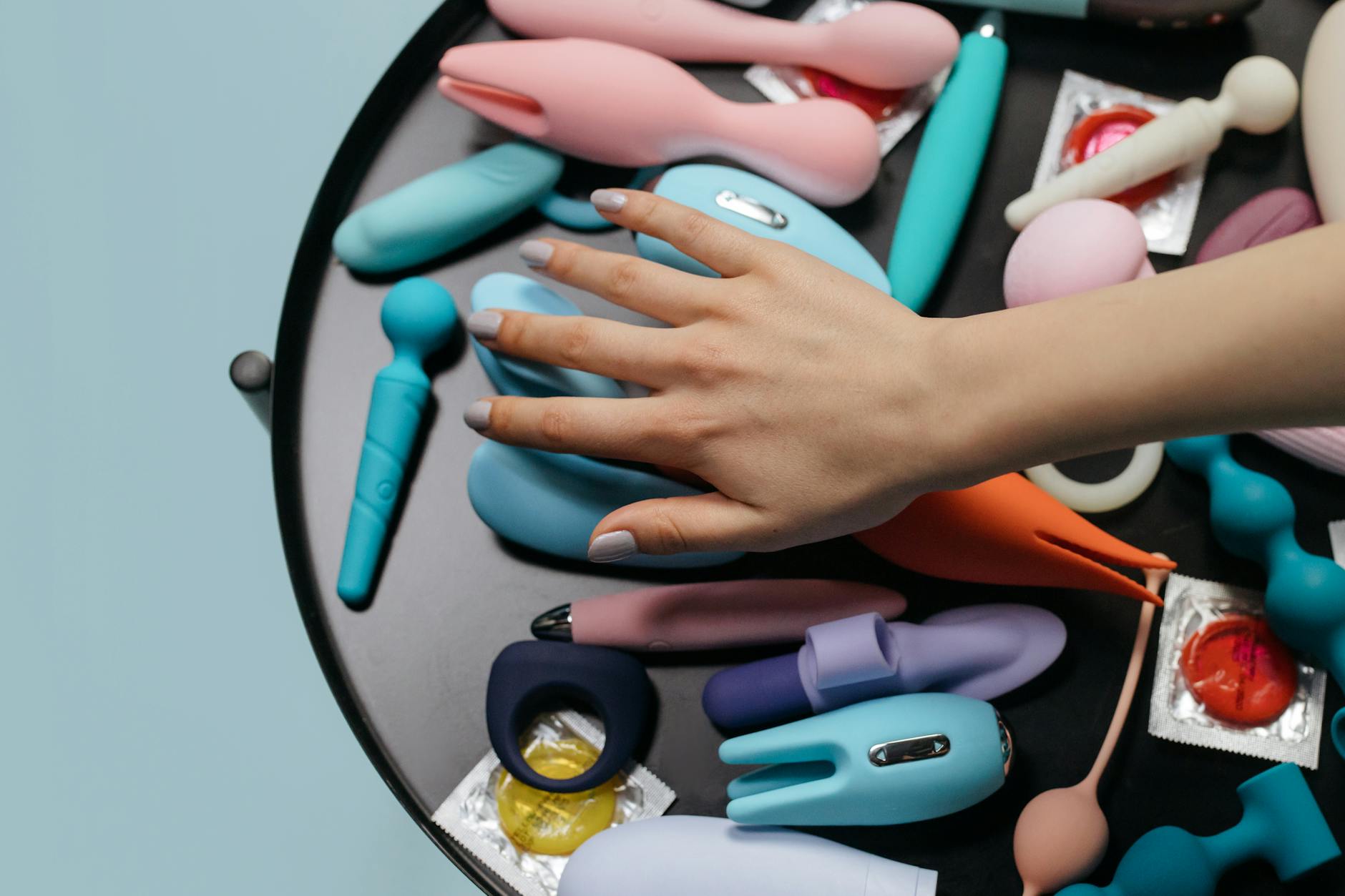
Why lemon vibrators feel like a completely different experience
If you've spent years with a traditional vibrator, switching to a lemon clitoral vibrator can feel weird at first. Not bad weird. Just different weird. That's because you're not just changing toys. You're changing the physics of what's happening.
Traditional vibrators buzz at a fixed frequency. They push against tissue. Lemon vibrators use gentle air-suction technology. They create a seal and release rhythm that mimics something closer to oral sensation. Your body has no frame of reference for this if you've only known vibration, and that's okay.
The good news: the transition is fast once you know what to expect.
The biggest difference: intensity feels inverted
Here's what throws people off most. With a traditional vibrator, intensity is straightforward. Higher settings feel stronger. More pressure equals more sensation. You know the deal.
With lemon vibrators, the relationship between settings and sensation is different. Lower settings can actually feel more intense because the suction is more concentrated. Higher settings add rhythmic pulses that spread the sensation wider. It's not stronger or weaker. It's a different kind of intense.
This is why jumping straight to the highest setting on a lem vibrator feels jarring if you're used to the build-up pattern of traditional buzz. You're not ready for that kind of concentrated sensation yet. Your nervous system expects gradual intensity. The lemon clitoral vibrator works better with a different approach.
Start with the gentlest setting and stay there for three sessions
Forget everything you know about ramping up quickly. With lemon vibrators, your first goal isn't pleasure. It's familiarity. Your body needs to learn what this sensation actually is.
Setting 1 or 2 on most lemon clitoral vibrators feels much softer than you'd expect. Almost tentative. That's intentional. Use it for a full session without moving to higher settings. Notice how the suction rhythm feels different from vibration. Pay attention to where on your body you feel it most. Some people feel it primarily at the entrance of the clitoris. Others feel it more diffused across the whole vulva.
Do this three times before you even think about turning it up. I know that sounds conservative. Your brain is literally rewiring how it processes this type of stimulation, and that takes repetition.
The seal matters more than you think
Traditional vibrators work from any angle. Lemon vibrators need a proper seal to work at all, and that changes everything about how you use them.
The seal is the difference between sensation and nothing. When the opening sits flush against your skin, you feel the suction. When it's off even slightly, you feel air and noise. This frustrates new users because they think the toy isn't working. It is. You're just not positioned correctly.
Spend the first few sessions figuring out your angle. Some people need the toy straight on. Others get the best seal at a slight angle. Pay attention to how your body changes as you get aroused. The tissues swell slightly, and that changes what angle works best. You might need to shift the toy mid-session, and that's completely normal.
Unlike traditional vibrators where you can hold it however feels good, lemon vibrators reward precision. Once you find your angle, the sensation clicks into place. Before that, it feels like you're doing it wrong. You're not. You're just learning.
Don't add lube right away (even though you want to)
With traditional vibrators, lube smooths everything out. With lemon vibrators, lube breaks the seal. I'm serious. Water-based lube will absolutely destroy the suction your body is trying to create.
This is counterintuitive and annoying, but it's worth understanding. The air-suction technology relies on direct contact. Lube creates a barrier that prevents that contact from working.
Wait until you're past the learning phase before you introduce lube, and when you do, use it sparingly on your external vulva only. Not on the device opening. Your natural lubrication is actually enough for lemon vibrators in most cases. If you're naturally dry, you have other options. Talk to a healthcare provider about topical estrogen or ask in our FAQs about lubrication strategies specific to air-suction toys.
The arousal phase matters more with lemon vibrators
Traditional vibrators can jump-start arousal on their own. You can go from zero to engaged pretty quickly with pure vibration. Lemon vibrators work better when you're already somewhat turned on. The suction sensation builds pleasure more gradually, which means you need to prime the pump yourself.
Spend time on foreplay, fantasy, or whatever gets your mind engaged before you even reach for your lemon clitoral vibrator. Arousal changes blood flow to the area, which makes the suction sensation feel deeper. Your tissues also swell slightly, which creates a better seal. Everything works better when your body is already on the journey.
This isn't a weakness of lemon vibrators. It's actually a feature. It trains you to be more intentional about pleasure. You're not relying on the toy to do all the work.
Expect the learning curve to feel awkward for two weeks
Honestly, that's it. Two to three weeks of "wait, am I using this right?" and then it clicks. Your body figures out what the sensation is, your nervous system stops being surprised by it, and suddenly you realize you're actually having pleasure with this thing instead of just studying it.
During those weeks, you might reach for your traditional vibrator because it feels familiar. That's fine. No one's keeping score. But if you're trying to make a real switch, commit to the lemon clitoral vibrator for most of your solo time. Your brain learns faster with consistency.
What changes about partnered pleasure with lemon vibrators
If you've used traditional vibrators with a partner, lemon vibrators create a different dynamic. The suction sensation is more localized, which means your partner gets a clearer view of what's actually happening. The sound is quieter. The rhythm is steadier.
More importantly, the sensation is less likely to interfere with penetrative sex. Traditional vibrators can make certain positions uncomfortable or create too much stimulation during partnered play. Lemon vibrators are gentler in combination with other sensation, which means you can use them during sex without it being overwhelming.
If you're using lemon vibrators with a partner, tell them what you learned during your solo transition. Specifically, explain that the seal matters, the settings feel inverted compared to traditional vibrators, and you might need to shift position slightly. This prevents the awkward moment where they think something's broken when you're just adjusting your angle.
Common mistakes to avoid during your transition
Jumping to high settings because low feels too soft. Low is not broken. Low is learning. Your brain will catch up.
Adding lubricant to fix a weak sensation. The seal is the problem, not the dryness. Adjust angle before you adjust lube.
Comparing directly to your traditional vibrator. They're not playing the same game. A lemon vibrator isn't a stronger or weaker version of what you know. It's a different path to the same destination.
Expecting the same type of orgasm. Some people find lemon vibrators produce more intense orgasms. Others find gentler, more diffused ones. Both are good. Your body will tell you which you prefer once you've actually learned the tool.
Giving up after one week. The awkward phase is temporary. If you want to truly transition, you need at least two full weeks of regular use.
When to revisit settings after the initial learning phase
Once you've spent two to three weeks at lower settings, you have permission to explore. Start experimenting with pattern changes on the same level. Then move up one setting at a time. Give yourself a few sessions at each new setting before moving higher.
You might discover that you actually prefer lower settings for everyday pleasure and reach for higher settings less often than you did with traditional vibrators. That's normal. Lemon clitoral vibrators tend to deliver more sensation in less intensity, which means you need less power overall.
The payoff of switching from traditional vibrators
People who make the transition usually say the same thing: once you understand how lemon vibrators work, the sensation feels more localized and nuanced. You get more control. The experience feels less like a toy is doing something to you and more like a tool you're using intentionally.
You might also notice that you want to use your lemon vibrator more often because the sensation doesn't create numbness the way sustained buzzing sometimes does. Air-suction is gentler on nerve endings over time, which means your pleasure remains fresher and more responsive.
The learning curve is real, but it's short. Two weeks of "wait, how does this work?" and then you're in.
People also ask
Why does my lemon vibrator feel like it's not working when my traditional vibrator always did?
The seal is almost always the issue. Lemon vibrators need a flush fit against your skin to create suction. Even a small air gap breaks the sensation. Adjust your angle, wait for arousal to swell the tissue slightly, and try again. Also avoid lube on the device opening, which creates a barrier that prevents suction from working.
Can I use traditional vibrator techniques with a lemon vibrator?
Not entirely. Traditional vibrators reward consistent pressure and direct contact from any angle. Lemon vibrators need a proper seal and respond better to stillness with the setting doing the work rather than you moving the toy around. Once you've learned the basic seal, you can experiment, but the initial learning works better with less movement.
How long until a lemon vibrator feels as natural as my traditional vibrator?
About two to three weeks of regular use. That's when your nervous system stops processing it as novel and starts processing it as pleasure. Some people feel comfortable within one week. Others need four. Everyone's different, but two weeks is a reasonable expectation for most people.
Do I need to replace my traditional vibrator with a lemon vibrator?
No. Many people keep both. Traditional vibrators are great for quick stimulation or travel. Lemon vibrators are better for extended solo sessions or partnered play. You don't have to choose. You can have both in your drawer.
Why do people say lemon vibrators feel more intense when the settings are lower?
Because lower settings create more concentrated suction, which focuses sensation on a smaller area. Higher settings add rhythmic pulses that spread the sensation wider, which feels different but not necessarily stronger. Intensity and sensation aren't the same thing. You're learning a new language for what pleasure feels like.
If I can't get a seal, is my body wrong?
No. Your anatomy might just need a different approach. Some vulvas respond better to lemon vibrators at a steeper angle. Others need less direct suction. If you've tried multiple angles over multiple sessions and nothing clicks, reach out to our help center. This is common, and there are solutions.
The transition from traditional vibrators to lemon clitoral vibrators isn't complicated, but it's different enough that your brain needs time to learn it. Give yourself that time. You're not being slow or weird. You're being thoughtful. That's how you actually enjoy new pleasure tools instead of just tolerating them.