Here's what people get wrong about clitoral sensitivity
When your clitoris feels raw, tender, or almost painful to the touch, most advice says the same thing: take a break, back off, or you're just not ready yet. None of that is helpful because none of that is true. You're not broken. You're not being too picky. Your clitoris is just asking for a different kind of touch.
Direct pressure on an oversensitive clitoris feels like pressing directly on a nerve ending. Because that's basically what you're doing. The clitoris has 8,000 nerve endings packed into a space smaller than a pea. When your skin is irritated, when you're nervous, when you've had a lot of stimulation recently, or sometimes for no clear reason at all. Those nerves become hyperactive. That's where suction changes everything.
Why suction feels completely different from pressure
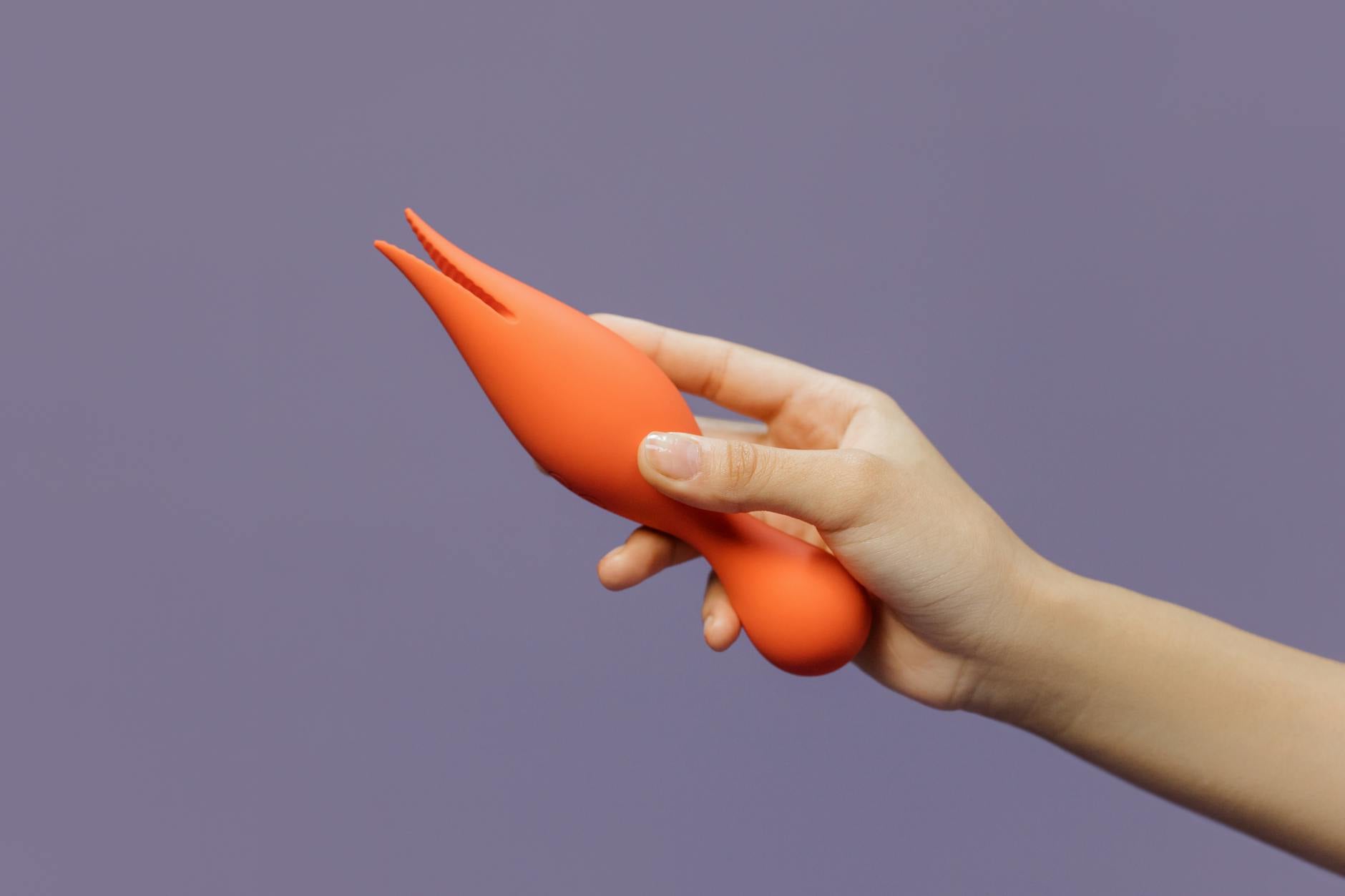
Direct vibrators press against tissue. Suction toys like the Lemon vibrator create a gentle vacuum seal that stimulates without direct contact friction. Think of the difference between someone tapping your shoulder versus them gently pulling on your sleeve. Same nerve involvement. Completely different sensation.
When your clitoris is sensitive, suction pulls the tissue into a cushioned space where stimulation happens indirectly. Your nerve endings still fire up. Your arousal builds. But there's no raw pressure. This matters clinically. People with vulvas who experience clitoral oversensitivity often report that suction toys are the only toys that work without discomfort. It's not that your pleasure capacity is lower. It's that the method was wrong.
Suction also allows you to control intensity without changing patterns. With a traditional vibrator, you're limited to adjusting the speed of the buzz. With a Lemon sucker, you're adjusting the strength of the seal. That gives you way more gradation. You can stay at pattern 1 or 2 on a Lemon vibrator and still feel something. You can barely press it and get sensation. That precision matters when sensitivity is high.
The biological reasons your clitoris might be oversensitive right now
Oversensitivity isn't random. It usually has a cause, and knowing what it is helps you work around it.
Recent stimulation. If you've had multiple orgasms in the last few hours, or you masturbated hard yesterday, your clitoris is essentially bruised. It needs rest. But if you want to keep exploring pleasure in the next day or two, suction lets you do that without aggravating tissue that's already tender. Start with the lowest suction setting and give yourself longer rest periods between sessions.
Hormonal cycle. Your clitoris changes sensitivity across your cycle. Right before your period, progesterone peaks and can make your whole vulva feel hypersensitive. Around ovulation, estrogen is high and tissue is more receptive but sometimes feels almost too awake. If you know your cycle, use your most sensitive days for suction exploration rather than direct vibration.
Skin irritation or micro-abrasions. If you've been using a vibrator that doesn't have smooth silicone, or if you went too long without lubricant, your skin might have tiny tears or irritation. Those heal fast, usually within a day or two. But while they're healing, direct pressure hurts. Suction bypasses that pain. Once healed, you'll feel the difference immediately.
Pelvic floor tension. When your pelvic floor muscles are tight, your clitoris pulls inward slightly, making the skin feel tighter and nerve endings feel more exposed. This often happens when you're stressed, anxious, or your body is bracing. Relaxing your pelvic floor deliberately (the opposite of a Kegel) helps. But in the meantime, suction toys put less pressure on those tight tissues.
Yeast infections or other infections. If sensitivity came on suddenly and is accompanied by itching, discharge, or soreness beyond the clitoris, talk to a doctor. That's not oversensitivity. That's inflammation. Treat the infection first.
How to actually use a Lemon vibrator when you're sensitive
Start with no pressure. A lot of people make this harder than it is. They're used to pressing a vibrator firmly against their body, so they do the same with suction toys. Don't. The whole point of suction is that it works with a light touch. Your clitoris will actually move toward the suction opening as the seal forms. You don't need to jam it in there.
Place the opening gently against your clitoris. Don't press. Just let it rest there. Activate the lowest setting, usually pattern 1 on a Lemon vibrator. The suction will activate. You'll feel a gentle pulling sensation. If that's too intense, stop and try again in a few minutes. Your clitoris might just need a moment to adjust to a new sensation.
Unlike a vibrator, where you're trying to maintain consistent contact, with suction you can lift it away and reposition it easily. Do that. Explore. Move it half an inch in any direction. Sometimes even a slightly different angle on your clitoris changes the entire feeling. The goal isn't to stay still. It's to find the exact position where the sensation is exciting rather than uncomfortable.
Build slowly. Don't jump to pattern 5 because you're used to high-speed vibrators. Most people with clitoral sensitivity need 15-20 minutes to build comfort with suction, and then another 10-15 minutes to actually build toward orgasm. That's fine. That's normal. Your nervous system is learning that this kind of stimulation is safe. Give it time.
Use lubricant to make the seal easier. This is counterintuitive because lubrication makes suction work better, not worse. A little water-based lubricant around the seal helps it glide, which means less tugging and better comfort. You're not numbing anything. You're just making the contact smoother.
Why you might still feel discomfort, and what to do about it
If you follow all this and suction still hurts, something else is happening. Pelvic floor dysfunction is common. Your pelvic floor muscles might be so tight that anything touching the clitoris triggers a protective spasm. If that's you, the fix isn't more toys. It's pelvic floor physical therapy, or at minimum, learning to consciously relax those muscles. When you're about to use your Lemon vibrator, spend 2-3 minutes breathing deeply and deliberately relaxing your pelvic floor. You'll notice a shift.
Other times, oversensitivity is connected to past trauma or anxiety. Your nervous system has learned that touch in that area isn't safe. That's not something a toy fixes alone. That's something you work through with a therapist, possibly alongside toy exploration. Both can happen.
Sometimes it's just that you need more space between sessions. Your clitoris regenerates tissue quickly, but if you're stimulating daily, it doesn't get that break. Try every other day for a week. You might find that the sensitivity drops dramatically just from giving yourself rest.
The one thing that actually changes the game
The thing nobody tells you about clitoral oversensitivity is that it usually gets better with the right stimulation, not worse. When you use a technique that works with your sensitivity rather than against it, your nervous system calms down. Your clitoris stops bracing. Over a few weeks of gentle suction exploration, many people find that sensitivity decreases. That raw feeling you've been experiencing starts to feel more like normal heightened sensation. And then pleasure actually becomes accessible again.
That's the Lemon vibrator advantage for sensitive bodies. It's not just a toy that works better in the moment. It's a tool that can actually help retrain how your clitoris responds to stimulation over time. If you've been avoiding pleasure because direct pressure hurts, or if you've been forcing yourself to white-knuckle through discomfort, try suction. The difference is often profound.
Your sensitivity isn't a limitation. It's your body's specific language. Once you learn to speak it fluently, pleasure comes back.
People also ask
Can oversensitivity of the clitoris be permanent?
No. Clitoral oversensitivity is usually temporary and responsive to changes in technique, rest, or addressing underlying causes like infections, pelvic floor tension, or hormonal shifts. If sensitivity has persisted for months with no clear cause, talk to a gynaecologist to rule out dermatological issues or chronic inflammation. In most cases, oversensitivity resolves once you identify the trigger and adjust your approach.
Is clitoral oversensitivity the same as pain during sex?
They're related but different. Oversensitivity is a heightened response to touch that feels rawer or more intense than normal. Pain during sex can include oversensitivity but usually indicates inflammation, infection, or pelvic floor dysfunction. If you experience actual pain, not just sensitivity, see a healthcare provider. Suction toys can help manage oversensitivity, but pain usually needs medical attention first.
How long does it take for suction to feel comfortable if you're sensitive?
Most people feel a shift within 3-5 sessions using gentle suction. Your nervous system learns that this touch is safe, and the raw feeling decreases. Some people feel comfortable immediately. Others need a few weeks of regular, patient exploration. There's no normal timeline here. Pay attention to how your body responds, not to how fast you think you should progress.
Can hormonal birth control cause clitoral oversensitivity?
Yes, for some people. Certain birth controls, especially those with lower hormone doses, can change blood flow and tissue sensitivity in the vulva. If you recently started a new birth control and oversensitivity appeared around the same time, that's likely the culprit. Talk to your prescriber about whether a different formulation might work better, or explore how to use Lemon vibrators when hormonal birth control reduces sensitivity for techniques that work specifically with hormonal changes.
Does masturbating make clitoral oversensitivity worse?
Not if you're using the right technique. Aggressive or repetitive friction can cause temporary oversensitivity. But gentle, varied stimulation, especially with suction, actually tends to calm an oversensitive nervous system. The key is variation and self-awareness. If direct pressure hurts, don't use direct pressure. That's not avoidance. That's listening to your body.
Should I avoid all stimulation if my clitoris is sensitive?
Not necessarily. It depends on the cause and the type of stimulation. If you have an infection or skin injury, yes, rest is best. But if your sensitivity is from tension, recent overstimulation, or just being in a hypersensitive phase of your cycle, gentle suction exploration can actually help your nervous system recalibrate. The kind of touch matters more than whether you touch at all. Focus on what feels good rather than what you think you "should" do.
What comes next
Clitoral oversensitivity often feels like the end of pleasure. It's not. It's usually a signal that you need to shift your approach. Suction toys, especially Lemon vibrators, offer that shift. They let you explore sensation without the raw pressure that makes oversensitive tissue uncomfortable. Start gentle. Move slowly. Let your body adjust. And if sensitivity persists, talk to a healthcare provider. Most of the time, you'll find that the pleasure you thought you'd lost is just waiting for you to meet it in a different way.
If you want to talk through what might be causing your sensitivity or get personalized guidance on which technique might work best for your body, reach out to us. We're here to help.