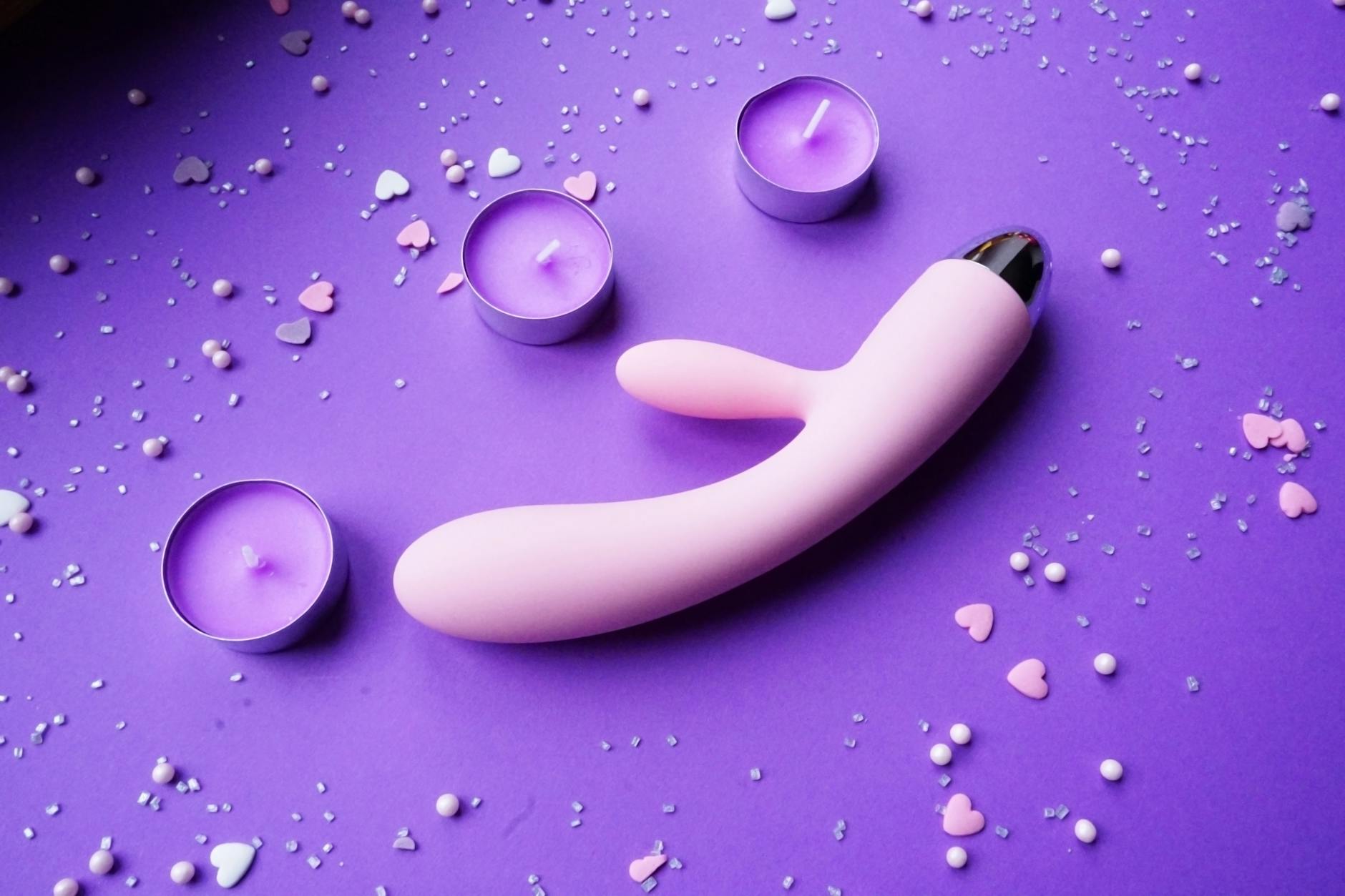
Do Lemon Vibrators Work Better After Menopause? What Research Shows
Let's be real. Menopause arrives with a lot of unsolicited theories about what you should feel and when you should stop feeling it. Most of them are wrong. The truth is more interesting: your body doesn't stop wanting pleasure after menopause. It just wants it differently.
And here's the part nobody explains clearly: the type of vibrator you use actually matters more after menopause than it did before. Specifically, lemon vibrators and clitoral suction devices like the Lem tend to perform differently on post-menopausal tissue. Not worse. Often better.
What actually changes in your tissue after menopause
When estrogen drops, three things happen to genital tissue: it gets thinner, drier, and less elastic. That's the clinical version. The lived version is that direct friction feels different. Sometimes sharper. Sometimes less responsive.
But here's what doesn't change: the clitoris still has 8,000 nerve endings. You still have the neural pathways for arousal. The brain's capacity for pleasure doesn't leave with your estrogen levels. This is important to know because most menopause conversations skip straight from "things feel different" to "maybe you're just less interested." That leap is not medically sound.
Research on post-menopausal sexual response shows that clitoral sensitivity remains largely unchanged. What changes is the stimulus pattern that works best. The nerves are still there. They're just responding to a different mechanical environment.
Why suction feels different on post-menopausal tissue
This is where lemon vibrators and devices like the Lem become relevant. A suction vibrator works by creating a gentle vacuum pulse around the clitoris, rather than applying direct vibration through friction. On thinner, more delicate tissue, this distinction is huge.
Direct vibration on thinned tissue can feel intense, even uncomfortable. Suction stimulates the same nerve endings but distributes the pressure across a larger surface area and doesn't rely on sustained friction. For many people entering menopause, that shift in stimulus pattern is the difference between "this doesn't feel right" and "this feels revelatory."
I've had countless clients tell me that they didn't use vibrators before menopause and started experimenting with clitoral suction devices afterward. Not because they suddenly developed new desire, but because their bodies finally responded to a tool that was designed for their actual anatomy at that life stage.
The biological reason suction vibrators suit post-menopausal bodies
Post-menopausal genital tissue has less collagen and elasticity. This means it's more prone to microabrasions from sustained friction. A lemon vibrator that relies on suction rather than pure vibration avoids this risk entirely.
Additionally, arousal takes longer to build after menopause. Extended warm-up time becomes important. Suction-based devices like the Lem let you maintain consistent, gentle stimulation for longer periods without tissue irritation, which supports that longer arousal curve.
Moisture also becomes a factor. Vaginal dryness is real and common after menopause. Water-based lubricant helps tremendously, and when combined with a suction vibrator, it creates an optimal environment because the seal actually works better and the stimulation feels smoother.
How to use clitoral suction vibrators after menopause
If you're new to lemon vibrators or considering one for the first time in your post-menopausal years, here's what actually works:
Start at the lowest intensity setting. Not because you've lost sensitivity, but because thinner tissue responds quickly to stimulation. You don't need maximum power to build arousal anymore. Many people find that settings 1 through 3 on devices like the Lem provide more than enough sensation.
Use good lubrication. I know I keep mentioning this, but it's foundational. Water-based lube reduces friction, improves the suction seal, and feels better. Apply it generously.
Budget 15 to 25 minutes for the experience, even if you used to finish faster. Your nervous system is shifting. Your tissue needs longer to prepare. This isn't a flaw. It's just different. Some people find that longer arousal window actually leads to more intense orgasms.
Experiment with angle and pressure. The clitoris sits at about a 45-degree angle under the hood. Suction devices work best when you're exploring different positions to find what presses against your body in just the right way. That's not trial and error. That's learning your body at a new chapter.
The emotional context matters as much as the physical
Menopause doesn't arrive alone. It often shows up alongside other midlife shifts. Kids leaving home. Changes in partnership. Professional transitions. Grief. The sexual changes of menopause get tangled up with all of it.
One of the most important things I tell clients is to separate the conversation. "My body feels different" is different from "I want us to reconnect." Confusion between the two turns both into problems.
If you're partnered, communication here is everything. Your partner doesn't need to understand the exact biomechanics of post-menopausal tissue. They do need to understand that you're exploring what works now, and that exploration is about discovery, not fixing something broken.
When to talk to a provider
If pain shows up during or after stimulation, that's worth mentioning to a doctor. Genitourinary syndrome of menopause is real and highly treatable, often with topical estrogen that stays localized and doesn't enter your bloodstream significantly.
If you're using lemon vibrators correctly (adequate lubrication, appropriate intensity, realistic timing) and still experiencing discomfort, that's a signal to get checked out. It's not normal, and it's not permanent.
Lowered desire is worth discussing too, particularly if it's a total shift from your baseline. Testosterone therapy is sometimes indicated. It's prescribed more conservatively in some regions than others, but it exists and changes things for the right person.
The long game
Menopause is not the endpoint of your sexual life. It's a recalibration. Your body didn't stop wanting pleasure. It just wants it via a different route. Clitoral vibrators designed with post-menopausal tissue in mind (or suction-based designs like lemon vibrators) often unlock sensation that feels more accessible and more intense than what came before.
Many people describe their sexual experiences in their 50s and beyond as richer than their 30s. Not because their bodies got younger, but because they finally gave themselves permission to explore without the noise of earlier obligations and expectations.
If you're interested in understanding more about how your body responds, how to use clitoral vibrators alone for maximum pleasure covers the practical mechanics. And if you're navigating this with a partner, we've written specifically about partner communication around pleasure changes.
The Lem and other lemon clitoral vibrators were designed to work with your body's actual design, not against it. That matters even more after menopause.
People also ask
Can you use vibrators with genitourinary syndrome of menopause?
Yes, but with planning. If you've been diagnosed with GSM, topical estrogen treatment (usually a cream or ring) works within 2-4 weeks and makes vibrator use more comfortable. Suction-based lemon vibrators tend to be more tolerable than direct vibration during this window, and adequate water-based lubricant is non-negotiable. If pain persists even with these adjustments, check back with your provider. There's no reason to white-knuckle through discomfort.
Do clitoral vibrators feel different on hormone replacement therapy?
Oftentimes, yes. Systemic HRT (pills or patches) raises circulating estrogen and can restore some tissue thickness and moisture, which means direct vibration often becomes more tolerable. That said, individual response varies widely. Some people on HRT still prefer suction-based devices. Others go back to what worked for them before menopause. The tool that works best is the one your body actually enjoys, regardless of your hormone status.
Why do lemon vibrators specifically work well for post-menopausal bodies?
Because lemon vibrators use suction instead of pure vibration. Suction distributes stimulus across a broader surface area without relying on sustained friction. On thinner post-menopausal tissue, that's gentler and often more effective. It's not magic. It's biomechanics matched to your anatomy at this stage of life.
Is it normal for arousal to take longer after menopause?
Completely normal. Blood flow takes longer to concentrate in genital tissue when estrogen is lower. What used to take 5 minutes now takes 15 or 20. That's not a decline. It's just a different rhythm. Many people find that extended warm-up time actually leads to more satisfying arousal and stronger orgasms.
Can you orgasm the same way after menopause?
Often differently, not worse. Orgasms might feel more localized or less explosive, or they might feel more intense. The clitoral nerve density stays the same. What changes is the surrounding tissue context. Some people report that post-menopausal orgasms are the most satisfying of their lives. It's not a polite lie. It's a common clinical observation.
Should I try a lemon vibrator if I've never used a vibrator before?
Menopause is actually a perfect time to explore. You have fewer hormonal cycles to navigate, less societal pressure to perform, and you've had decades to learn what you actually enjoy. Suction-based devices like the Lem tend to be more intuitive for first-time users because the sensation is different from friction-based toys. Start at low intensity, use plenty of lube, and give yourself permission to take time.
Final thoughts
Menopause changes your body. It doesn't change your worth or your capacity for pleasure. The right tools, the right information, and the right mindset make all the difference. If you're curious about what works for your body, the complete guide to lemon vibrators walks through everything from selection to care.
Your pleasure matters. It always has. And it matters especially now.